


Cabal
Kategorie : FinanzenVersion: 2.6.8
Größe:59.00MBetriebssystem : Android 5.1 or later
Entwickler:ebitdash, LLC
 Herunterladen
 Laden Sie Cabal herunter, um Ihr Geschäft zu steigern!
Cabal ermöglicht Unternehmern die nahtlose Verwaltung ihrer Finanzen und die Einrichtung eines Online-Shops innerhalb von Sekunden, und das alles kostenlos. Diese Super-App vereinfacht den Geschäftsbetrieb und ermöglicht Ihnen die Kontrolle von Verkäufen, Ausgaben, Lagerbeständen und Ihrer Online-Präsenz bequem von Ihrem Mobilgerät aus.
Eigenschaften:
- Unternehmensverwaltung: Verwalten Sie Ihre Geschäftsfinanzen mühelos von Ihrem Smartphone aus.
- Erstellung eines Online-Shops: Erstellen Sie im Handumdrehen einen voll funktionsfähigen Online-Shop. Präsentieren Sie Ihre Produkte oder Dienstleistungen einem breiteren Publikum.
- Community: Treten Sie einer lebendigen Community von bei Unternehmer, Wissen teilen und gegenseitiges Wachstum fördern.
- Verkaufsverfolgung:Überwachen Sie alle Verkaufstransaktionen, sowohl Bargeld als auch Kredite, mit Leichtigkeit.
- Kostenverfolgung:Verfolgen Sie Geschäftsausgaben in Echtzeit und stellen Sie pünktliche Zahlungen sicher.
- Berichte und Analyse: Verfolgen Sie Ihre Fortschritte und analysieren Sie die Leistung durch umfassende Berichte.
Fazit:
Cabal ist das ultimative Tool für Unternehmer, die ihr Unternehmen voranbringen möchten. Dank der benutzerfreundlichen Funktionen können Sie Ihre Finanzen verwalten, eine Online-Präsenz aufbauen, Verkäufe und Ausgaben verfolgen und mit einer unterstützenden Community in Kontakt treten. Ganz gleich, ob Sie ein Startup oder ein etabliertes Unternehmen sind, Cabal ist der Schlüssel zur Rationalisierung von Abläufen und zum Erfolg. Laden Sie Cabal noch heute herunter und entfesseln Sie das volle Potenzial Ihres Unternehmens!






Cabal is a classic MMORPG that still holds up today. The combat is fluid and engaging, and the world is vast and full of things to explore. The community is also very active and helpful, which makes the game even more enjoyable. Overall, Cabal is a great game that I would highly recommend to any MMORPG fan. 👍
This game is a huge disappointment. The graphics are outdated, the gameplay is repetitive, and the story is nonexistent. I'm really regretting spending money on this. 😞👎
Cabal is an amazing game! I love the graphics and the gameplay is super fun. The characters are all really cool and I love the story. I've been playing for hours and I'm still not bored. If you're looking for a new game to play, I highly recommend Cabal. 🎮👍


Sony prüft Preiserhöhungen angesichts von Zollbelastungen
Xbox Game Pass Gains with Indiana Jones and Call of Duty; Hardware Sales Dip Microsoft’s Xbox division continues to see strong momentum in its subscription service, Xbox Game Pass, driven by high-profile title additions like Indiana Jones and the Great Circle and Call of Duty: Black Ops 6, but hardware sales have dipped slightly in the latest quarterly report. Game Pass Thrives on Major Acquisitions The launch of Indiana Jones and the Great Circle—a long-awaited adventure game developed by MachineGames and published by Bethesda—has been a standout for Game Pass. The title, which debuted on Xbox consoles and PC, has drawn massive player interest, significantly boosting Game Pass engagement. Its inclusion in the service has not only attracted new subscribers but also increased retention rates, according to Microsoft’s internal metrics. Equally impactful is the continued presence of the Call of Duty franchise on Game Pass. With Call of Duty: Black Ops 6 launching as a Game Pass Exclusive on Xbox and PC, the service has become a go-to platform for fans of the franchise. This exclusivity has driven a notable spike in new Game Pass signups, particularly among core gamers and first-party enthusiasts. Microsoft has emphasized that Game Pass now boasts over 35 million subscribers globally, with growth fueled by exclusive and high-quality titles. The service’s value proposition—access to a large library of games for a low monthly fee—has become increasingly compelling in a market where consumers are prioritizing content over hardware. Hardware Sales Dip Amid Shift to Subscription Model Despite Game Pass success, Xbox hardware sales saw a modest decline in the most recent fiscal quarter. Microsoft attributed the dip to a combination of factors: Supply chain adjustments and reduced console inventory following the end-of-life for the Xbox Series X/S refresh cycle. Consumer preference shift toward software and subscriptions over new hardware purchases, especially with the rise of Game Pass and cloud gaming (via Xbox Cloud Gaming). Market saturation, particularly in regions where most gamers already own an Xbox console. The dip in hardware sales was more pronounced in North America and Europe, while emerging markets like India and Southeast Asia showed more moderate declines, suggesting regional differences in purchasing behavior. Strategic Pivot to Services Microsoft’s leadership, including CEO Satya Nadella, has reiterated the company’s long-term strategy to transition from hardware-centric growth to a services-first model. The success of Game Pass underscores this shift—subscription revenue now accounts for a growing share of Xbox’s overall earnings, and the company is investing heavily in first-party studios and exclusive content. In a recent earnings call, Microsoft noted that Xbox’s service revenue grew 18% year-over-year, outpacing hardware sales, which declined by 7%. The company expects Game Pass to surpass 40 million subscribers by the end of 2025. What’s Next? With Indiana Jones and the Great Circle receiving strong critical acclaim and Call of Duty: Black Ops 6 expected to drive continued engagement, Xbox is well-positioned to expand its game subscription base. Meanwhile, Microsoft is expected to unveil new hardware later in 2025, possibly including a redesigned Series X/S or a next-gen console codenamed “Titan.” In summary: While Xbox hardware sales dipped, the expansion of Game Pass—powered by major exclusives like Indiana Jones and Call of Duty—is proving to be a transformative force. As Microsoft pivots toward a subscription-driven future, the focus is clearly shifting from consoles to content, ensuring long-term relevance in a competitive gaming landscape.
- Boxville-Entwickler veröffentlichen Demo für „Rabbit's Hop", ihr neues Puzzlespiel Vor 5 Tagen
- Hutch von Matchcreek startet ein Drei-Gleiche-Spiel Vor 6 Tagen
- Tower of God: Neue Welt begrüßt Alphine und Kaiser Vor 1 Wochen
- Mai Shiranui tritt dem King-of-Fighters-AFK-Kader bei Vor 1 Wochen
- Siegesschirm: Ein WWII-RTS-/Dritt-Personen-Shooter-Hybrid für PC angekündigt Vor 1 Wochen
- „Seven Knights Re:Birth“ beschwört die Macht der Walküren mit dem „Krieger des Friedens“ Freyja herauf. Vor 2 Wochen
-
Mode Lifestyle / 3.17.0 / 10.52M
Herunterladen -

Personalisierung / 1.0.0 / by DigitalPowerDEV / 11.10M
Herunterladen -
Werkzeuge / 9.9.7 / 130.54M
Herunterladen -

Mode Lifestyle / 1.5 / by BetterPlace Safety Solutions Pvt Ltd / 9.60M
Herunterladen -

Videoplayer und Editoren / v1.02 / by TateSAV / 13.80M
Herunterladen -

Mode Lifestyle / 13.1 / 5.66M
Herunterladen -
Business Office / 2.8 / 10.16M
Herunterladen -

Mode Lifestyle / v2.3.0 / by iMyFone / 26.39M
Herunterladen
-
 Alle Passwörter und Vorhängeschlosskombinationen in Lost Records: Bloom and Rage
-
 30 beste Mods für die Sims 2
-
 Bestes Android PS1 Emulator – Welchen PlayStation-Emulator sollte ich verwenden?
-
 Durchgesickertes Filmmaterial enthüllt mythisches Epos: Black Myth: Wukong
-
 Termine und Zeitplan der Tokyo Game Show 2024: Alles, was wir bisher wissen
-
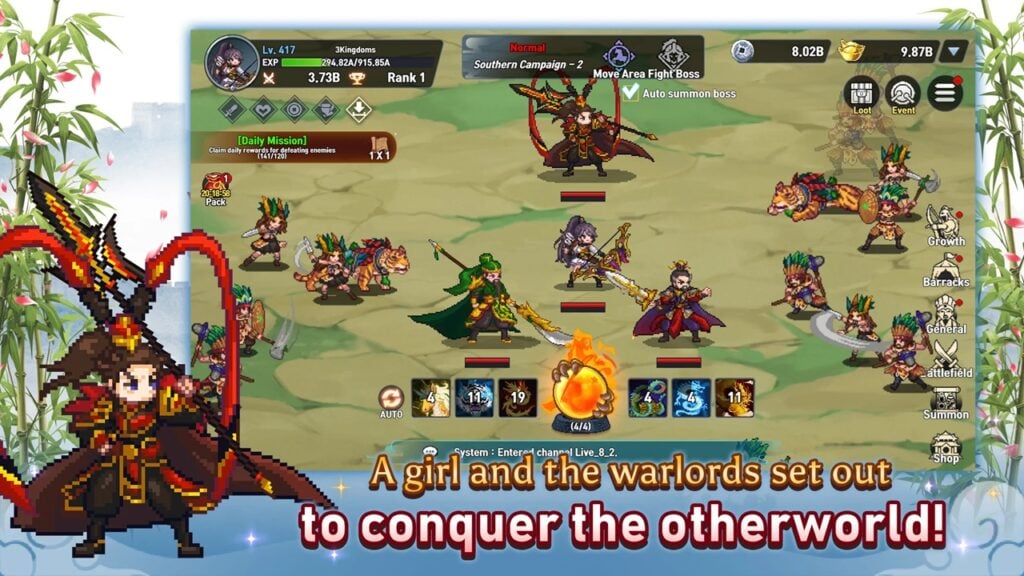 Android begrüßt das Spiel im „Dynasty Legends“-Stil, „Otherworld Three Kingdoms“