

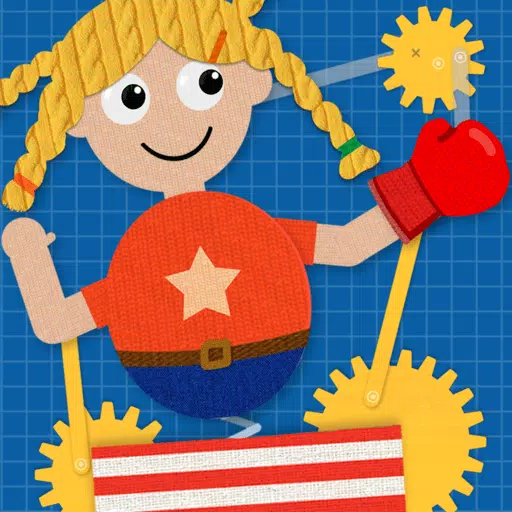
Labo Mechanical Studio-Kids
Kategorie : LehrreichVersion: 1.0.238
Größe:63.4 MBBetriebssystem : Android 5.0+
Entwickler:Labo Lado Co., Ltd.
 Herunterladen
 Als Kind war ich fasziniert von der Idee, dass eine endlose Reihe von Zahnrädern und Schrauben die Geheimnisse des Universums freischalten konnte. Diese Faszination für die Mechanik ist ein häufiger Faden bei vielen Kindern, die sich von den Innenarbeit von Maschinen angezogen haben und oft versuchen, ihre eigenen zu bauen. Das Erstellen mechanischer Geräte ist jedoch keine einfache Leistung.
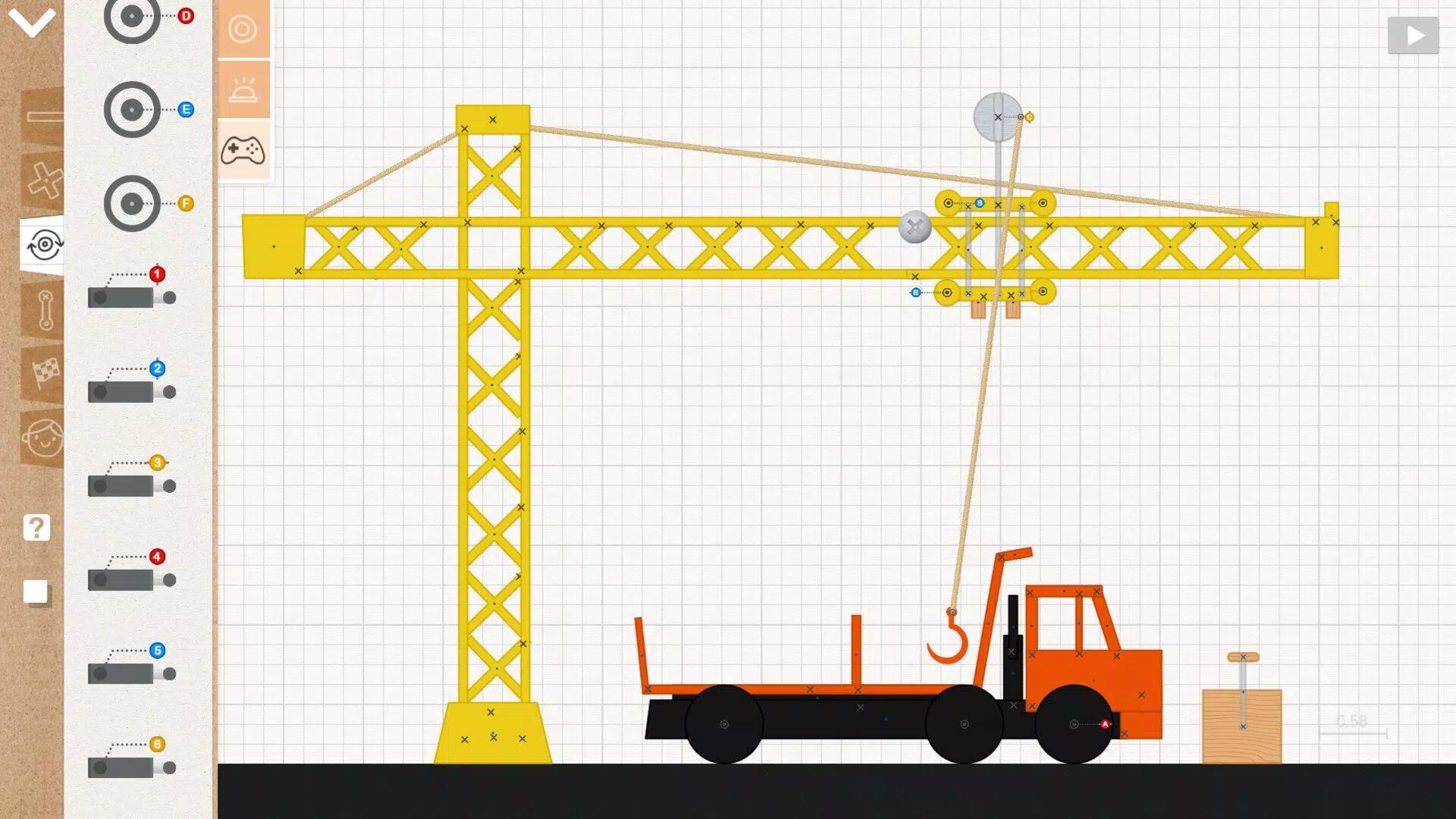
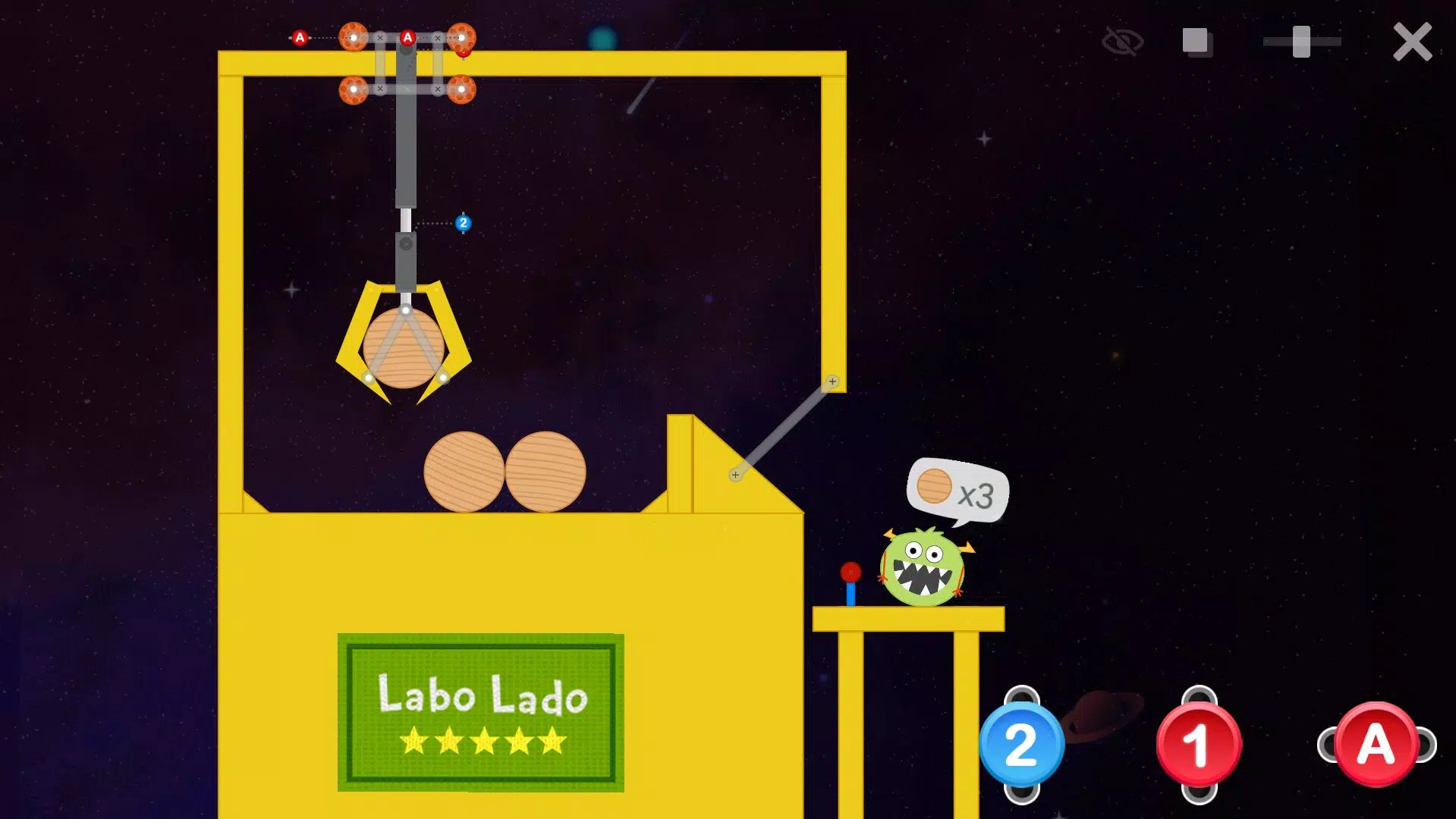
Unsere App bietet einen einfachen Ansatz, um junge Köpfe bei der Erstellung einfacher, aber faszinierender Geräte zu leiten und ihnen zu helfen, die Prinzipien hinter mechanischen Operationen zu erfassen. Durch die App können Kinder ihre Fähigkeiten beim Erstellen verschiedener mechanischer Geräte durch Nachahmung, Praxis und freie Erstellung von freien Form verbessern. Wir bieten eine umfangreiche Auswahl an Tutorials, die sich in die Mechanik von Kolben, Stangen, Nocken und Zahnrädern befassen. Unser Ziel ist es, die Freude der mechanischen Kreativität mit dem Erlernen der Grundlagen grundlegender mechanischer Geräte zu mischen.
Diese App ist auf Kinder ab 6 Jahren zugeschnitten.
Merkmale:
- Umfangreiche Tutorials : Wir bieten eine breite Palette von Tutorials auf mechanischen Geräten.
- Lernen durch Nachahmung und Praxis : Kinder können durch praktische Nachahmung und Praxis mechanische Prinzipien lernen.
- Vielfalt der Teile : Die App bietet eine Auswahl an Teilen, darunter Zahnräder, Federn, Seile, Motoren, Achsen, Nocken, Grundformen, Wasser, Schieberegler, Hydraulikstäbe, Magnete, Trigger und Steuerungen.
- Verschiedene Materialien : Teile sind in verschiedenen Materialien wie Holz, Stahl, Gummi und Stein erhältlich.
- Freeform Creation : Kinder können ihre Kreativität entfesseln, indem sie verschiedene mechanische Geräte frei entwerfen.
- Anpassbare Skins : Kinder können ihre Kreationen mit Skins und Dekorationen personalisieren.
- Interaktive Komponenten : Spiel- und Spezialeffektkomponenten verleihen dem Erstellungsprozess eine zusätzliche Spaß.
- Verständnis der mechanischen Prinzipien : Die App hilft Kindern, die Funktionsweise von Kolben, Verbindungsstäben, Nocken und Zahnrädern zu verstehen.
- Community Sharing : Kinder können ihre Erfindungen online teilen und Kreationen herunterladen, die von anderen hergestellt wurden.
Über Labo Lado:
Bei Labo Lado entwickeln wir Apps, die Neugierde anregen und die Kreativität bei Kindern fördern. Wir priorisieren die Privatsphäre und sammeln keine personenbezogenen Daten oder bieten keine Anzeigen von Drittanbietern. Weitere Informationen finden Sie in unserer Datenschutzrichtlinie .
Treten Sie unserer Community auf Facebook bei und folgen Sie uns auf Twitter . Besuchen Sie unsere Website , um Unterstützung zu erhalten.
Wir schätzen Ihr Feedback:
Ihre Erkenntnisse sind für uns von unschätzbarem Wert. Fühlen Sie sich frei, unsere App zu bewerten und zu überprüfen oder Ihr Feedback an [email protected] zu senden.
Benötigen Sie Hilfe?
Unser Support -Team ist rund um die Uhr verfügbar. Kontaktieren Sie uns unter [email protected] mit Fragen oder Kommentaren.
Zusammenfassung:
Unsere App ist ein dynamisches STEM- und Dampf (Wissenschaft, Technologie, Ingenieurwesen, Kunst und Mathematik), das die Neugier und Leidenschaft für das Lernen durch Erkundungsspiele für die Neugier und Leidenschaft der Kinder fördert. Es inspiriert Kinder, sich mit Mechanik- und Physikprinzipien zu befassen und die Kreativität im mechanischen Design zu fördern. Die App fördert praktische Basteln, Erfindungen und Erstellen sowie die Entwicklung von Codierungs- und Programmierfähigkeiten. Es kultiviert wissenschaftliche Untersuchungen, rechnergestützte Denken und technische Design- und Prototyping -Fähigkeiten bei jungen Lernenden. Durch die Integration von Dampfpraktiken wollen wir mehrere Intelligenzen entwickeln, die Innovation durch Makerkultur und Designdenken fördern und über interaktive Simulationen komplexe Physik zugänglich machen. Kreative Konstruktionsspielzeuge treiben Vorstellungen aus, während zukünftige Fähigkeiten wie Problemlösungen, Zusammenarbeit und Design-Iteration durch zielgerichtetes Spiel aufbauen.
Was ist neu in der neuesten Version 1.0.238
Zuletzt aktualisiert am 3. September 2024
Kleinere Fehlerbehebungen und Verbesserungen. Installieren oder aktualisieren Sie die neueste Version, um diese Verbesserungen zu erleben!






Sony prüft Preiserhöhungen angesichts von Zollbelastungen
Xbox Game Pass Gains with Indiana Jones and Call of Duty; Hardware Sales Dip Microsoft’s Xbox division continues to see strong momentum in its subscription service, Xbox Game Pass, driven by high-profile title additions like Indiana Jones and the Great Circle and Call of Duty: Black Ops 6, but hardware sales have dipped slightly in the latest quarterly report. Game Pass Thrives on Major Acquisitions The launch of Indiana Jones and the Great Circle—a long-awaited adventure game developed by MachineGames and published by Bethesda—has been a standout for Game Pass. The title, which debuted on Xbox consoles and PC, has drawn massive player interest, significantly boosting Game Pass engagement. Its inclusion in the service has not only attracted new subscribers but also increased retention rates, according to Microsoft’s internal metrics. Equally impactful is the continued presence of the Call of Duty franchise on Game Pass. With Call of Duty: Black Ops 6 launching as a Game Pass Exclusive on Xbox and PC, the service has become a go-to platform for fans of the franchise. This exclusivity has driven a notable spike in new Game Pass signups, particularly among core gamers and first-party enthusiasts. Microsoft has emphasized that Game Pass now boasts over 35 million subscribers globally, with growth fueled by exclusive and high-quality titles. The service’s value proposition—access to a large library of games for a low monthly fee—has become increasingly compelling in a market where consumers are prioritizing content over hardware. Hardware Sales Dip Amid Shift to Subscription Model Despite Game Pass success, Xbox hardware sales saw a modest decline in the most recent fiscal quarter. Microsoft attributed the dip to a combination of factors: Supply chain adjustments and reduced console inventory following the end-of-life for the Xbox Series X/S refresh cycle. Consumer preference shift toward software and subscriptions over new hardware purchases, especially with the rise of Game Pass and cloud gaming (via Xbox Cloud Gaming). Market saturation, particularly in regions where most gamers already own an Xbox console. The dip in hardware sales was more pronounced in North America and Europe, while emerging markets like India and Southeast Asia showed more moderate declines, suggesting regional differences in purchasing behavior. Strategic Pivot to Services Microsoft’s leadership, including CEO Satya Nadella, has reiterated the company’s long-term strategy to transition from hardware-centric growth to a services-first model. The success of Game Pass underscores this shift—subscription revenue now accounts for a growing share of Xbox’s overall earnings, and the company is investing heavily in first-party studios and exclusive content. In a recent earnings call, Microsoft noted that Xbox’s service revenue grew 18% year-over-year, outpacing hardware sales, which declined by 7%. The company expects Game Pass to surpass 40 million subscribers by the end of 2025. What’s Next? With Indiana Jones and the Great Circle receiving strong critical acclaim and Call of Duty: Black Ops 6 expected to drive continued engagement, Xbox is well-positioned to expand its game subscription base. Meanwhile, Microsoft is expected to unveil new hardware later in 2025, possibly including a redesigned Series X/S or a next-gen console codenamed “Titan.” In summary: While Xbox hardware sales dipped, the expansion of Game Pass—powered by major exclusives like Indiana Jones and Call of Duty—is proving to be a transformative force. As Microsoft pivots toward a subscription-driven future, the focus is clearly shifting from consoles to content, ensuring long-term relevance in a competitive gaming landscape.
- Boxville-Entwickler veröffentlichen Demo für „Rabbit's Hop", ihr neues Puzzlespiel Vor 5 Tagen
- Hutch von Matchcreek startet ein Drei-Gleiche-Spiel Vor 6 Tagen
- Tower of God: Neue Welt begrüßt Alphine und Kaiser Vor 1 Wochen
- Mai Shiranui tritt dem King-of-Fighters-AFK-Kader bei Vor 1 Wochen
- Siegesschirm: Ein WWII-RTS-/Dritt-Personen-Shooter-Hybrid für PC angekündigt Vor 1 Wochen
- „Seven Knights Re:Birth“ beschwört die Macht der Walküren mit dem „Krieger des Friedens“ Freyja herauf. Vor 2 Wochen
-

Planke / 2.4.6 / by Yellow Dot / 83.4 MB
Herunterladen -

Lässig / v0.1.12 / by Lionessentertainment / 830.30M
Herunterladen -

Planke / 2.1.5 / by SNG Games / 58.0 MB
Herunterladen -

Rollenspiel / 1.5 / by Honey Bunny / 453.00M
Herunterladen -

Simulation / 1.0.5 / by SimusDeveloper / 102.9 MB
Herunterladen -

Aktion / 36.0 / by Heisen Games / 166.00M
Herunterladen -

Simulation / 2.0 / 93.66M
Herunterladen -

Lässig / 1.1.7 / by NijuKozo / 1125.20M
Herunterladen
-
 Alle Passwörter und Vorhängeschlosskombinationen in Lost Records: Bloom and Rage
-
 30 beste Mods für die Sims 2
-
 Bestes Android PS1 Emulator – Welchen PlayStation-Emulator sollte ich verwenden?
-
 Durchgesickertes Filmmaterial enthüllt mythisches Epos: Black Myth: Wukong
-
 Termine und Zeitplan der Tokyo Game Show 2024: Alles, was wir bisher wissen
-
 Android begrüßt das Spiel im „Dynasty Legends“-Stil, „Otherworld Three Kingdoms“