
Heim >  Apps >  Geschäft >  Remote Desktop 8
Remote Desktop 8

Remote Desktop 8

Kategorie : GeschäftVersion: 8.1.82.445

Größe:18.2 MBBetriebssystem : Android 4.1+

Entwickler:Microsoft Corporation

4.6
Herunterladen
Anwendungsbeschreibung

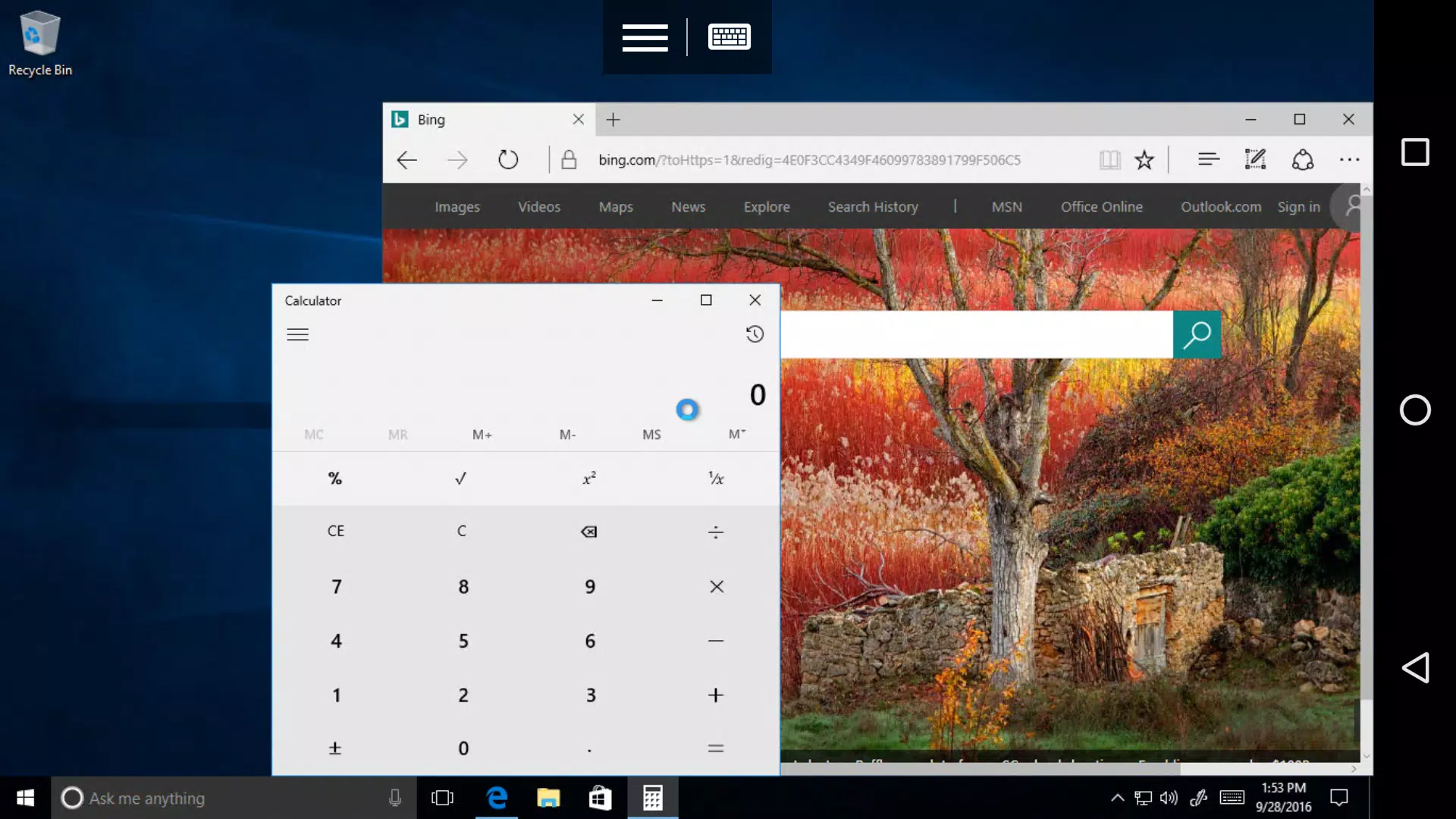
https://aka.ms/rdanddocsMicrosoft Remote Desktop: Greifen Sie nahtlos auf Ihre Windows-Desktops und -Apps zuhttps://aka.ms/rdclients https://aka.ms/rdandfbkMit Microsoft Remote Desktop können Sie von Ihrem Gerät aus eine Verbindung zu Remote-Windows-PCs, virtuellen Desktops und Anwendungen herstellen. Bleiben Sie produktiv, wo auch immer Sie sind.

Erste Schritte

Erfahren Sie mehr über die Verwendung von Microsoft Remote Desktop:

  • Entdecken Sie andere Remotedesktop-Clients:
  • Teilen Sie Ihr Feedback:

Hauptfunktionen

  • Greifen Sie auf Remote-PCs zu, auf denen die Editionen Windows Professional, Enterprise oder Server ausgeführt werden.
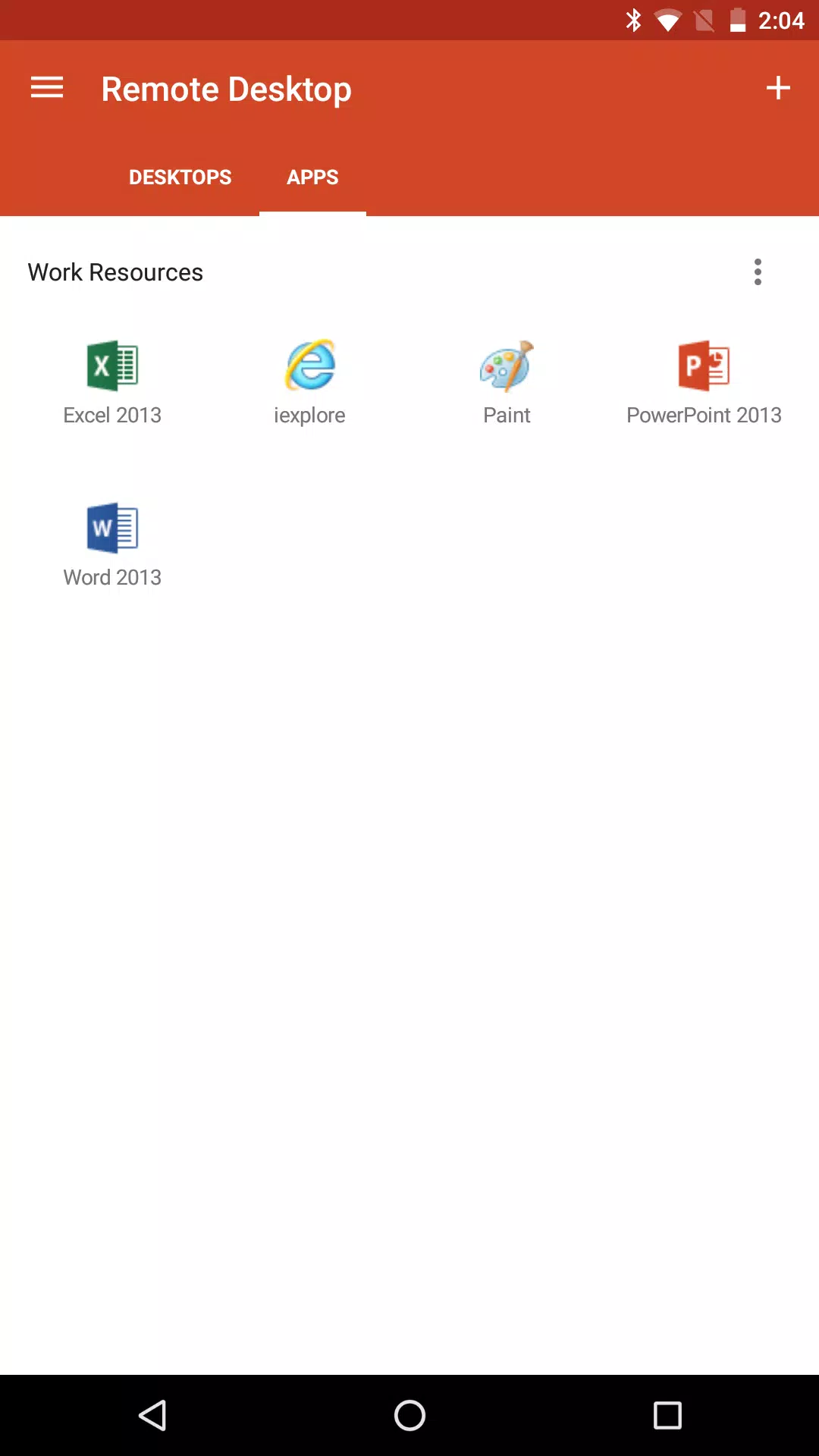
  • Stellen Sie eine Verbindung zu den von Ihrem IT-Administrator veröffentlichten Ressourcen her.
  • Verwenden Sie Remote Desktop Gateway für Remoteverbindungen.
  • Genießen Sie ein reichhaltiges Multi-Touch-Erlebnis mit Unterstützung für Windows-Gesten.
  • Profitieren Sie vom sicheren Zugriff auf Ihre Daten und Anwendungen.
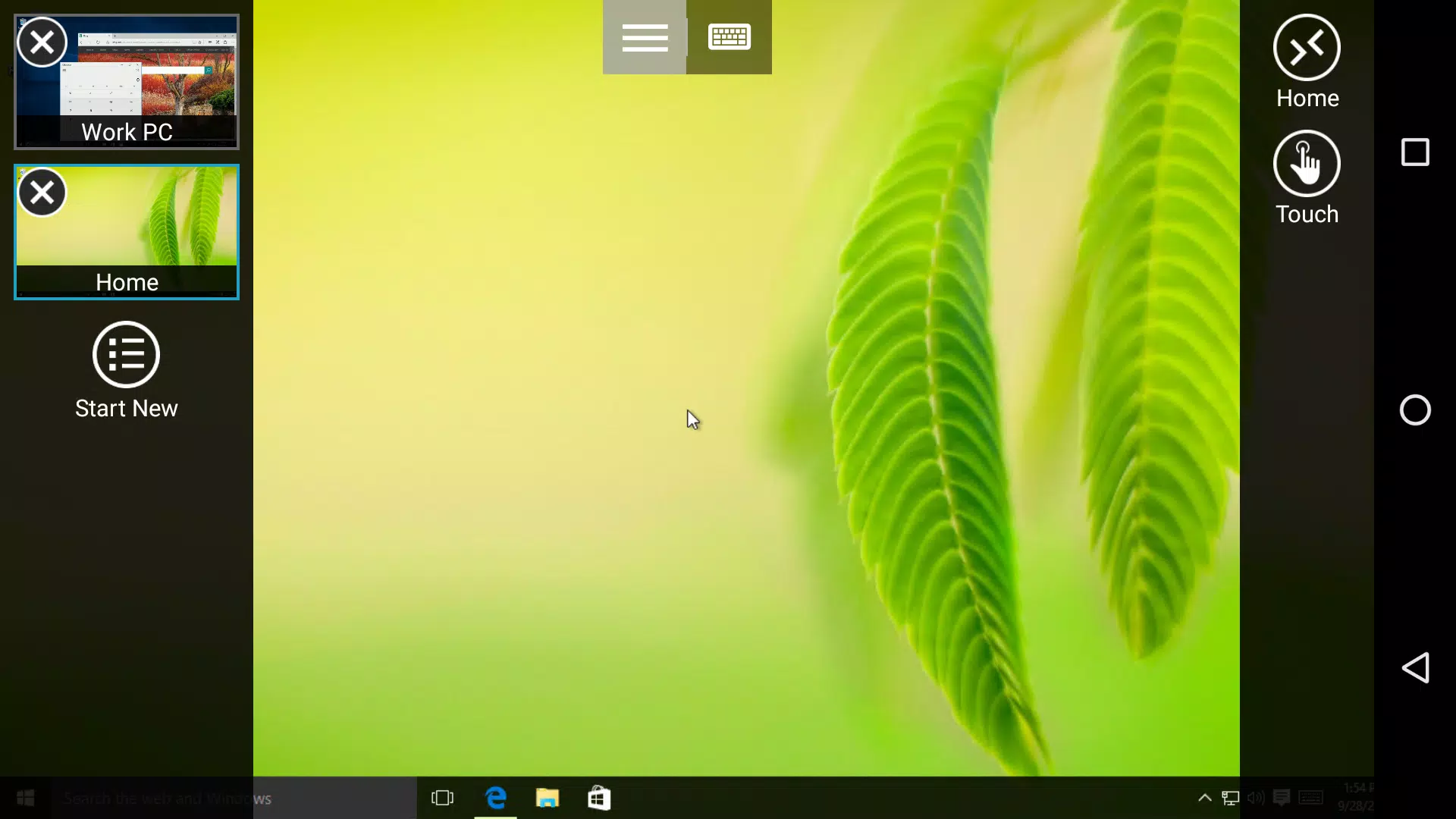
  • Verwalten Sie Verbindungen ganz einfach über das Connection Center.
  • Erleben Sie hochwertiges Video- und Audio-Streaming.

Berechtigungen

Die App erfordert bestimmte Berechtigungen, um ordnungsgemäß zu funktionieren.

Optionaler Zugriff:

[Speicher]: Diese Berechtigung ist erforderlich, um innerhalb der Remotedesktopsitzung auf lokale Dateien und Ordner von Ihrem Gerät zuzugreifen, wenn „Lokalen Speicher umleiten“ aktiviert ist.

Was ist neu in Version 8.1.82.445 (letzte Aktualisierung am 16. Juli 2021)

  • Es wurde ein Problem behoben, bei dem Bilder falsch als Zeichen angezeigt wurden.
  • Es wurde eine Benachrichtigung hinzugefügt, die Benutzer darüber informiert, dass diese Anwendung nicht mehr offiziell von Microsoft unterstützt wird.
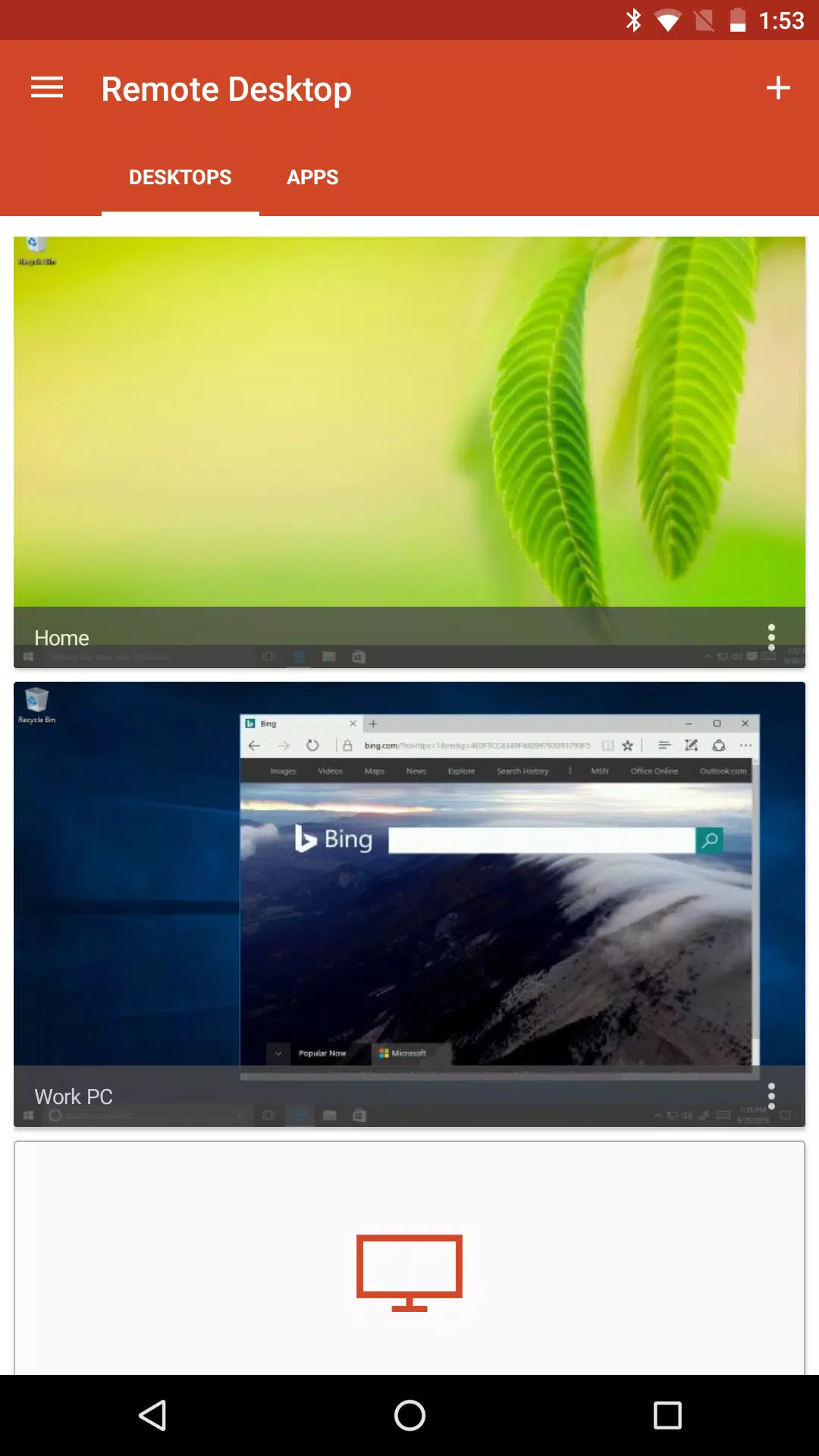
Remote Desktop 8 Screenshot 0
Remote Desktop 8 Screenshot 1
Remote Desktop 8 Screenshot 2
Remote Desktop 8 Screenshot 3
Rezensionen Kommentare posten
TechGuru Jan 25,2025

This app has been a game-changer for remote work! The connection is stable and the interface is user-friendly. However, it occasionally lags when accessing high-demand applications. Still, a must-have for remote access!

TrabajoRemoto Mar 28,2025

La aplicación funciona bien en general, pero a veces la conexión se interrumpe. Es útil para trabajar desde casa, pero necesita mejorar la estabilidad. Buena, pero no excelente.

TéléTravailleur Mar 07,2025

J'apprécie beaucoup cette application pour le travail à distance. Elle est simple à utiliser et la qualité de la connexion est bonne. Cependant, il y a des moments où elle ralentit un peu.

Neueste Nachrichten
Sony prüft Preiserhöhungen angesichts von Zollbelastungen

Sony prüft Preiserhöhungen angesichts von Zollbelastungen

Xbox Game Pass Gains with Indiana Jones and Call of Duty; Hardware Sales Dip
Microsoft’s Xbox division continues to see strong momentum in its subscription service, Xbox Game Pass, driven by high-profile title additions like Indiana Jones and the Great Circle and Call of Duty: Black Ops 6, but hardware sales have dipped slightly in the latest quarterly report.
Game Pass Thrives on Major Acquisitions
The launch of Indiana Jones and the Great Circle—a long-awaited adventure game developed by MachineGames and published by Bethesda—has been a standout for Game Pass. The title, which debuted on Xbox consoles and PC, has drawn massive player interest, significantly boosting Game Pass engagement. Its inclusion in the service has not only attracted new subscribers but also increased retention rates, according to Microsoft’s internal metrics.
Equally impactful is the continued presence of the Call of Duty franchise on Game Pass. With Call of Duty: Black Ops 6 launching as a Game Pass Exclusive on Xbox and PC, the service has become a go-to platform for fans of the franchise. This exclusivity has driven a notable spike in new Game Pass signups, particularly among core gamers and first-party enthusiasts.
Microsoft has emphasized that Game Pass now boasts over 35 million subscribers globally, with growth fueled by exclusive and high-quality titles. The service’s value proposition—access to a large library of games for a low monthly fee—has become increasingly compelling in a market where consumers are prioritizing content over hardware.
Hardware Sales Dip Amid Shift to Subscription Model
Despite Game Pass success, Xbox hardware sales saw a modest decline in the most recent fiscal quarter. Microsoft attributed the dip to a combination of factors:

Supply chain adjustments and reduced console inventory following the end-of-life for the Xbox Series X/S refresh cycle.
Consumer preference shift toward software and subscriptions over new hardware purchases, especially with the rise of Game Pass and cloud gaming (via Xbox Cloud Gaming).
Market saturation, particularly in regions where most gamers already own an Xbox console.

The dip in hardware sales was more pronounced in North America and Europe, while emerging markets like India and Southeast Asia showed more moderate declines, suggesting regional differences in purchasing behavior.
Strategic Pivot to Services
Microsoft’s leadership, including CEO Satya Nadella, has reiterated the company’s long-term strategy to transition from hardware-centric growth to a services-first model. The success of Game Pass underscores this shift—subscription revenue now accounts for a growing share of Xbox’s overall earnings, and the company is investing heavily in first-party studios and exclusive content.
In a recent earnings call, Microsoft noted that Xbox’s service revenue grew 18% year-over-year, outpacing hardware sales, which declined by 7%. The company expects Game Pass to surpass 40 million subscribers by the end of 2025.
What’s Next?
With Indiana Jones and the Great Circle receiving strong critical acclaim and Call of Duty: Black Ops 6 expected to drive continued engagement, Xbox is well-positioned to expand its game subscription base. Meanwhile, Microsoft is expected to unveil new hardware later in 2025, possibly including a redesigned Series X/S or a next-gen console codenamed “Titan.”
In summary:
While Xbox hardware sales dipped, the expansion of Game Pass—powered by major exclusives like Indiana Jones and Call of Duty—is proving to be a transformative force. As Microsoft pivots toward a subscription-driven future, the focus is clearly shifting from consoles to content, ensuring long-term relevance in a competitive gaming landscape.

Xbox Game Pass Gains with Indiana Jones and Call of Duty; Hardware Sales Dip Microsoft’s Xbox division continues to see strong momentum in its subscription service, Xbox Game Pass, driven by high-profile title additions like Indiana Jones and the Great Circle and Call of Duty: Black Ops 6, but hardware sales have dipped slightly in the latest quarterly report. Game Pass Thrives on Major Acquisitions The launch of Indiana Jones and the Great Circle—a long-awaited adventure game developed by MachineGames and published by Bethesda—has been a standout for Game Pass. The title, which debuted on Xbox consoles and PC, has drawn massive player interest, significantly boosting Game Pass engagement. Its inclusion in the service has not only attracted new subscribers but also increased retention rates, according to Microsoft’s internal metrics. Equally impactful is the continued presence of the Call of Duty franchise on Game Pass. With Call of Duty: Black Ops 6 launching as a Game Pass Exclusive on Xbox and PC, the service has become a go-to platform for fans of the franchise. This exclusivity has driven a notable spike in new Game Pass signups, particularly among core gamers and first-party enthusiasts. Microsoft has emphasized that Game Pass now boasts over 35 million subscribers globally, with growth fueled by exclusive and high-quality titles. The service’s value proposition—access to a large library of games for a low monthly fee—has become increasingly compelling in a market where consumers are prioritizing content over hardware. Hardware Sales Dip Amid Shift to Subscription Model Despite Game Pass success, Xbox hardware sales saw a modest decline in the most recent fiscal quarter. Microsoft attributed the dip to a combination of factors: Supply chain adjustments and reduced console inventory following the end-of-life for the Xbox Series X/S refresh cycle. Consumer preference shift toward software and subscriptions over new hardware purchases, especially with the rise of Game Pass and cloud gaming (via Xbox Cloud Gaming). Market saturation, particularly in regions where most gamers already own an Xbox console. The dip in hardware sales was more pronounced in North America and Europe, while emerging markets like India and Southeast Asia showed more moderate declines, suggesting regional differences in purchasing behavior. Strategic Pivot to Services Microsoft’s leadership, including CEO Satya Nadella, has reiterated the company’s long-term strategy to transition from hardware-centric growth to a services-first model. The success of Game Pass underscores this shift—subscription revenue now accounts for a growing share of Xbox’s overall earnings, and the company is investing heavily in first-party studios and exclusive content. In a recent earnings call, Microsoft noted that Xbox’s service revenue grew 18% year-over-year, outpacing hardware sales, which declined by 7%. The company expects Game Pass to surpass 40 million subscribers by the end of 2025. What’s Next? With Indiana Jones and the Great Circle receiving strong critical acclaim and Call of Duty: Black Ops 6 expected to drive continued engagement, Xbox is well-positioned to expand its game subscription base. Meanwhile, Microsoft is expected to unveil new hardware later in 2025, possibly including a redesigned Series X/S or a next-gen console codenamed “Titan.” In summary: While Xbox hardware sales dipped, the expansion of Game Pass—powered by major exclusives like Indiana Jones and Call of Duty—is proving to be a transformative force. As Microsoft pivots toward a subscription-driven future, the focus is clearly shifting from consoles to content, ensuring long-term relevance in a competitive gaming landscape.