Heim >  Apps >  Werkzeuge >  RemoteView for Android Agent
RemoteView for Android Agent

RemoteView for Android Agent

Kategorie : WerkzeugeVersion: 7.3.0.9

Größe:21.33MBetriebssystem : Android 5.1 or later

Entwickler:RSUPPORT Co., Ltd.

4
Herunterladen
Anwendungsbeschreibung

RemoteView Mobile Agent: Eine umfassende Remote-Geräteverwaltungslösung

RemoteView Mobile Agent von Rsupport ermöglicht IT-Experten und Benutzern die nahtlose Verbindung und Steuerung ihrer Android-Geräte von einem PC oder einem anderen mobilen Gerät aus, unabhängig von ihrem Standort. Diese vielseitige App bietet eine umfassende Suite an Funktionen, darunter:

  • Fernsteuerung und Bildschirmfreigabe: Verbinden und steuern Sie Android-Geräte in Echtzeit aus der Ferne, indem Sie den Bildschirm des Geräts von einem PC oder einem anderen mobilen Gerät aus anzeigen und steuern.
  • Dateiübertragung: Übertragen Sie Dateien zwischen dem angeschlossenen Android-Gerät und dem PC oder Mobilgerät in beide Richtungen und sorgen Sie so für nahtlose Daten Austausch.
  • Zeichnen:Markieren Sie direkt auf dem mobilen Bildschirm für klare Notationen während Fernsteuerungssitzungen oder Präsentationen und verbessern Sie die Kommunikation und Zusammenarbeit.
  • Mobilgerät abrufen Informationen: Sehen Sie sich Systeminformationen, die Liste aktueller Prozesse und installierte Apps auf dem verbundenen Android-Gerät an und liefern Sie wertvolle Erkenntnisse zur Fehlerbehebung und Verwaltung.
  • Zusätzliche Funktionen: Senden Sie URLs von einem PC an das Android-Gerät und zeichnen Sie die gesamte Sitzung, einschließlich der auf dem mobilen Bildschirm erstellten Zeichnungen, zu Dokumentations- und Schulungszwecken auf.

RemoteView Mobile Agent bietet schnelle und zuverlässige Verbindungen und sorgt so für ein nahtloses Benutzererlebnis. Seine Sicherheitsmaßnahmen auf Militärniveau, darunter AES-256-Bit-Verschlüsselung, zweistufige Verifizierung und SSL-Kommunikation, garantieren Datenschutz und Schutz.

Mit seinem umfassenden Funktionsumfang, den schnellen und sicheren Verbindungen und der benutzerfreundlichen Oberfläche ist RemoteView Mobile Agent die ideale Lösung für die Fernverwaltung von Android-Geräten. Egal, ob Sie Tablets von Ihrem Smartphone aus steuern, Digital Signage verwalten oder Remote-Support leisten müssen, mit dieser App sind Sie an der richtigen Adresse. Laden Sie RemoteView Mobile Agent noch heute herunter, um die Geräteverwaltung zu vereinfachen, die Produktivität zu steigern und einen nahtlosen Fernzugriff zu gewährleisten.
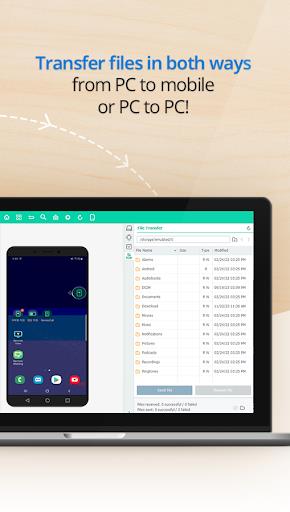
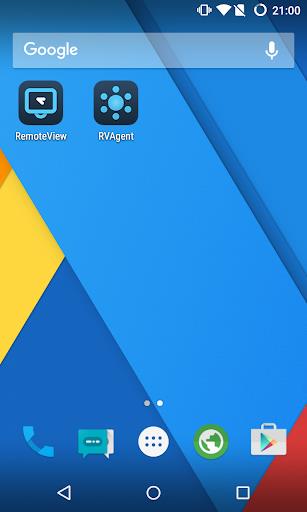
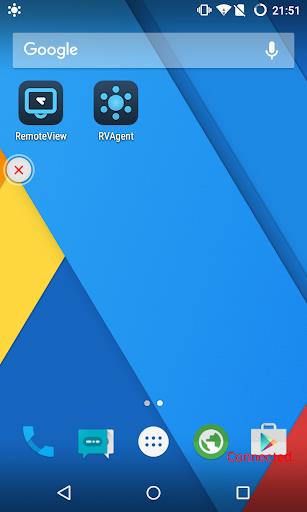
RemoteView for Android Agent Screenshot 0
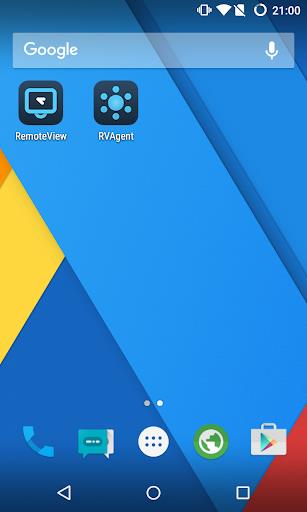
RemoteView for Android Agent Screenshot 1
RemoteView for Android Agent Screenshot 2
RemoteView for Android Agent Screenshot 3
Rezensionen Kommentare posten
Neueste Nachrichten
Sony prüft Preiserhöhungen angesichts von Zollbelastungen

Sony prüft Preiserhöhungen angesichts von Zollbelastungen

Xbox Game Pass Gains with Indiana Jones and Call of Duty; Hardware Sales Dip
Microsoft’s Xbox division continues to see strong momentum in its subscription service, Xbox Game Pass, driven by high-profile title additions like Indiana Jones and the Great Circle and Call of Duty: Black Ops 6, but hardware sales have dipped slightly in the latest quarterly report.
Game Pass Thrives on Major Acquisitions
The launch of Indiana Jones and the Great Circle—a long-awaited adventure game developed by MachineGames and published by Bethesda—has been a standout for Game Pass. The title, which debuted on Xbox consoles and PC, has drawn massive player interest, significantly boosting Game Pass engagement. Its inclusion in the service has not only attracted new subscribers but also increased retention rates, according to Microsoft’s internal metrics.
Equally impactful is the continued presence of the Call of Duty franchise on Game Pass. With Call of Duty: Black Ops 6 launching as a Game Pass Exclusive on Xbox and PC, the service has become a go-to platform for fans of the franchise. This exclusivity has driven a notable spike in new Game Pass signups, particularly among core gamers and first-party enthusiasts.
Microsoft has emphasized that Game Pass now boasts over 35 million subscribers globally, with growth fueled by exclusive and high-quality titles. The service’s value proposition—access to a large library of games for a low monthly fee—has become increasingly compelling in a market where consumers are prioritizing content over hardware.
Hardware Sales Dip Amid Shift to Subscription Model
Despite Game Pass success, Xbox hardware sales saw a modest decline in the most recent fiscal quarter. Microsoft attributed the dip to a combination of factors:

Supply chain adjustments and reduced console inventory following the end-of-life for the Xbox Series X/S refresh cycle.
Consumer preference shift toward software and subscriptions over new hardware purchases, especially with the rise of Game Pass and cloud gaming (via Xbox Cloud Gaming).
Market saturation, particularly in regions where most gamers already own an Xbox console.

The dip in hardware sales was more pronounced in North America and Europe, while emerging markets like India and Southeast Asia showed more moderate declines, suggesting regional differences in purchasing behavior.
Strategic Pivot to Services
Microsoft’s leadership, including CEO Satya Nadella, has reiterated the company’s long-term strategy to transition from hardware-centric growth to a services-first model. The success of Game Pass underscores this shift—subscription revenue now accounts for a growing share of Xbox’s overall earnings, and the company is investing heavily in first-party studios and exclusive content.
In a recent earnings call, Microsoft noted that Xbox’s service revenue grew 18% year-over-year, outpacing hardware sales, which declined by 7%. The company expects Game Pass to surpass 40 million subscribers by the end of 2025.
What’s Next?
With Indiana Jones and the Great Circle receiving strong critical acclaim and Call of Duty: Black Ops 6 expected to drive continued engagement, Xbox is well-positioned to expand its game subscription base. Meanwhile, Microsoft is expected to unveil new hardware later in 2025, possibly including a redesigned Series X/S or a next-gen console codenamed “Titan.”
In summary:
While Xbox hardware sales dipped, the expansion of Game Pass—powered by major exclusives like Indiana Jones and Call of Duty—is proving to be a transformative force. As Microsoft pivots toward a subscription-driven future, the focus is clearly shifting from consoles to content, ensuring long-term relevance in a competitive gaming landscape.

Xbox Game Pass Gains with Indiana Jones and Call of Duty; Hardware Sales Dip Microsoft’s Xbox division continues to see strong momentum in its subscription service, Xbox Game Pass, driven by high-profile title additions like Indiana Jones and the Great Circle and Call of Duty: Black Ops 6, but hardware sales have dipped slightly in the latest quarterly report. Game Pass Thrives on Major Acquisitions The launch of Indiana Jones and the Great Circle—a long-awaited adventure game developed by MachineGames and published by Bethesda—has been a standout for Game Pass. The title, which debuted on Xbox consoles and PC, has drawn massive player interest, significantly boosting Game Pass engagement. Its inclusion in the service has not only attracted new subscribers but also increased retention rates, according to Microsoft’s internal metrics. Equally impactful is the continued presence of the Call of Duty franchise on Game Pass. With Call of Duty: Black Ops 6 launching as a Game Pass Exclusive on Xbox and PC, the service has become a go-to platform for fans of the franchise. This exclusivity has driven a notable spike in new Game Pass signups, particularly among core gamers and first-party enthusiasts. Microsoft has emphasized that Game Pass now boasts over 35 million subscribers globally, with growth fueled by exclusive and high-quality titles. The service’s value proposition—access to a large library of games for a low monthly fee—has become increasingly compelling in a market where consumers are prioritizing content over hardware. Hardware Sales Dip Amid Shift to Subscription Model Despite Game Pass success, Xbox hardware sales saw a modest decline in the most recent fiscal quarter. Microsoft attributed the dip to a combination of factors: Supply chain adjustments and reduced console inventory following the end-of-life for the Xbox Series X/S refresh cycle. Consumer preference shift toward software and subscriptions over new hardware purchases, especially with the rise of Game Pass and cloud gaming (via Xbox Cloud Gaming). Market saturation, particularly in regions where most gamers already own an Xbox console. The dip in hardware sales was more pronounced in North America and Europe, while emerging markets like India and Southeast Asia showed more moderate declines, suggesting regional differences in purchasing behavior. Strategic Pivot to Services Microsoft’s leadership, including CEO Satya Nadella, has reiterated the company’s long-term strategy to transition from hardware-centric growth to a services-first model. The success of Game Pass underscores this shift—subscription revenue now accounts for a growing share of Xbox’s overall earnings, and the company is investing heavily in first-party studios and exclusive content. In a recent earnings call, Microsoft noted that Xbox’s service revenue grew 18% year-over-year, outpacing hardware sales, which declined by 7%. The company expects Game Pass to surpass 40 million subscribers by the end of 2025. What’s Next? With Indiana Jones and the Great Circle receiving strong critical acclaim and Call of Duty: Black Ops 6 expected to drive continued engagement, Xbox is well-positioned to expand its game subscription base. Meanwhile, Microsoft is expected to unveil new hardware later in 2025, possibly including a redesigned Series X/S or a next-gen console codenamed “Titan.” In summary: While Xbox hardware sales dipped, the expansion of Game Pass—powered by major exclusives like Indiana Jones and Call of Duty—is proving to be a transformative force. As Microsoft pivots toward a subscription-driven future, the focus is clearly shifting from consoles to content, ensuring long-term relevance in a competitive gaming landscape.