


 Herunterladen
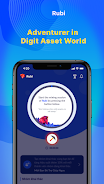
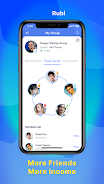
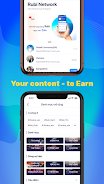
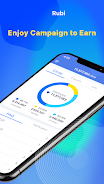
 Die Rubi-App ist eine Social-Networking-Plattform, die Blockchain-Technologie nutzt, um Benutzern die Möglichkeit zu geben, ihr Einkommen durch Engagement im sozialen Netzwerk „RubiSocialchain“ zu steigern. Dieses innovative Konzept zielt darauf ab, das Bewusstsein für digitale Assets zu schärfen und die Wahrnehmung der Nutzer hinsichtlich des Werts ihrer Online-Aktivitäten zu verändern. Benutzer können mühelos und ohne technische Hürden an der Entdeckung digitaler Assets teilnehmen. Die Plattform erleichtert den Aufbau von Freundschaften, den Ausbau sozialer Netzwerke und die gemeinsame Generierung von Einnahmen aus digitalen Vermögenswerten. Benutzer können RubiBlöcke abbauen, indem sie aktiv mit der App interagieren, und sie anschließend auf dem freien Markt verkaufen. Darüber hinaus können Benutzer Mana, ein digitales Gut, ansammeln, indem sie sich mit den Inhalten anderer Benutzer beschäftigen, und diese mit Geldgewinn verkaufen. Benutzer können auch Einnahmen erzielen, indem sie Inhalte auf der Plattform erstellen und teilen.
Die Rubi-App bietet mehrere Vorteile:
1) Erhöhtes Einkommen: Die App nutzt Blockchain-Technologie, um das Einkommen aller Benutzer durch ihre Interaktion mit dem sozialen Netzwerk „RubiSocialchain“ zu steigern. Benutzer können an der Suche nach digitalen Vermögenswerten teilnehmen und Einnahmen erzielen, ohne dass technische Fachkenntnisse erforderlich sind.
2) Soziale Netzwerke: Die App ermöglicht es Benutzern, Freundschaften zu schließen, ihr soziales Netzwerk zu erweitern und gemeinsam das Einkommen aus digitalen Vermögenswerten innerhalb der Plattform zu steigern.
3) Eigentum an digitalen Vermögenswerten: Der Besitz des digitalen Vermögenswerts RubiBlock der Plattform ist vergleichbar mit dem Besitz eines „Benutzeranteils“ am Rubi sozialen Netzwerk.
4) Mining von RubiBlocks: Benutzer können regelmäßig mit der App interagieren, um die digitale Blockchain von RubiBlock zu minen und auf dem freien Markt zu verkaufen. Diese Aktivität kann Einnahmen für Benutzer generieren.
5) Mana: Benutzer können Mana sammeln, eine digitale Wareneinheit, die aus ihrer Interaktion mit den Inhalten anderer Benutzer entsteht. Mana kann auf dem freien Markt gegen Geld verkauft werden und stellt so eine zusätzliche Einnahmequelle dar.
6) Inhaltsgenerierung: Benutzer können Inhalte entwickeln und teilen, um die Community zu bereichern und Einnahmen für sich selbst zu generieren. Darüber hinaus können Benutzer durch andere soziale Inhalte Einnahmen erzielen, indem sie einfach mit ihren Telefonen in der App präsent sind.


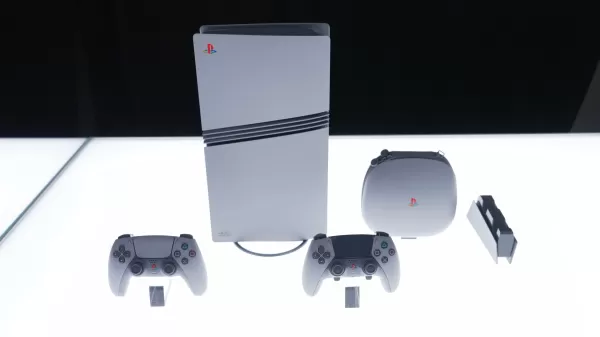
Sony prüft Preiserhöhungen angesichts von Zollbelastungen
Xbox Game Pass Gains with Indiana Jones and Call of Duty; Hardware Sales Dip Microsoft’s Xbox division continues to see strong momentum in its subscription service, Xbox Game Pass, driven by high-profile title additions like Indiana Jones and the Great Circle and Call of Duty: Black Ops 6, but hardware sales have dipped slightly in the latest quarterly report. Game Pass Thrives on Major Acquisitions The launch of Indiana Jones and the Great Circle—a long-awaited adventure game developed by MachineGames and published by Bethesda—has been a standout for Game Pass. The title, which debuted on Xbox consoles and PC, has drawn massive player interest, significantly boosting Game Pass engagement. Its inclusion in the service has not only attracted new subscribers but also increased retention rates, according to Microsoft’s internal metrics. Equally impactful is the continued presence of the Call of Duty franchise on Game Pass. With Call of Duty: Black Ops 6 launching as a Game Pass Exclusive on Xbox and PC, the service has become a go-to platform for fans of the franchise. This exclusivity has driven a notable spike in new Game Pass signups, particularly among core gamers and first-party enthusiasts. Microsoft has emphasized that Game Pass now boasts over 35 million subscribers globally, with growth fueled by exclusive and high-quality titles. The service’s value proposition—access to a large library of games for a low monthly fee—has become increasingly compelling in a market where consumers are prioritizing content over hardware. Hardware Sales Dip Amid Shift to Subscription Model Despite Game Pass success, Xbox hardware sales saw a modest decline in the most recent fiscal quarter. Microsoft attributed the dip to a combination of factors: Supply chain adjustments and reduced console inventory following the end-of-life for the Xbox Series X/S refresh cycle. Consumer preference shift toward software and subscriptions over new hardware purchases, especially with the rise of Game Pass and cloud gaming (via Xbox Cloud Gaming). Market saturation, particularly in regions where most gamers already own an Xbox console. The dip in hardware sales was more pronounced in North America and Europe, while emerging markets like India and Southeast Asia showed more moderate declines, suggesting regional differences in purchasing behavior. Strategic Pivot to Services Microsoft’s leadership, including CEO Satya Nadella, has reiterated the company’s long-term strategy to transition from hardware-centric growth to a services-first model. The success of Game Pass underscores this shift—subscription revenue now accounts for a growing share of Xbox’s overall earnings, and the company is investing heavily in first-party studios and exclusive content. In a recent earnings call, Microsoft noted that Xbox’s service revenue grew 18% year-over-year, outpacing hardware sales, which declined by 7%. The company expects Game Pass to surpass 40 million subscribers by the end of 2025. What’s Next? With Indiana Jones and the Great Circle receiving strong critical acclaim and Call of Duty: Black Ops 6 expected to drive continued engagement, Xbox is well-positioned to expand its game subscription base. Meanwhile, Microsoft is expected to unveil new hardware later in 2025, possibly including a redesigned Series X/S or a next-gen console codenamed “Titan.” In summary: While Xbox hardware sales dipped, the expansion of Game Pass—powered by major exclusives like Indiana Jones and Call of Duty—is proving to be a transformative force. As Microsoft pivots toward a subscription-driven future, the focus is clearly shifting from consoles to content, ensuring long-term relevance in a competitive gaming landscape.
- Boxville-Entwickler veröffentlichen Demo für „Rabbit's Hop", ihr neues Puzzlespiel Vor 5 Tagen
- Hutch von Matchcreek startet ein Drei-Gleiche-Spiel Vor 6 Tagen
- Tower of God: Neue Welt begrüßt Alphine und Kaiser Vor 1 Wochen
- Mai Shiranui tritt dem King-of-Fighters-AFK-Kader bei Vor 1 Wochen
- Siegesschirm: Ein WWII-RTS-/Dritt-Personen-Shooter-Hybrid für PC angekündigt Vor 1 Wochen
- „Seven Knights Re:Birth“ beschwört die Macht der Walküren mit dem „Krieger des Friedens“ Freyja herauf. Vor 2 Wochen
-
Mode Lifestyle / 3.17.0 / 10.52M
Herunterladen -

Personalisierung / 1.0.0 / by DigitalPowerDEV / 11.10M
Herunterladen -

Werkzeuge / 9.9.7 / 130.54M
Herunterladen -

Mode Lifestyle / 1.5 / by BetterPlace Safety Solutions Pvt Ltd / 9.60M
Herunterladen -

Videoplayer und Editoren / v1.02 / by TateSAV / 13.80M
Herunterladen -

Mode Lifestyle / 13.1 / 5.66M
Herunterladen -
Business Office / 2.8 / 10.16M
Herunterladen -

Mode Lifestyle / v2.3.0 / by iMyFone / 26.39M
Herunterladen
-
 Alle Passwörter und Vorhängeschlosskombinationen in Lost Records: Bloom and Rage
-
 30 beste Mods für die Sims 2
-
 Bestes Android PS1 Emulator – Welchen PlayStation-Emulator sollte ich verwenden?
-
 Durchgesickertes Filmmaterial enthüllt mythisches Epos: Black Myth: Wukong
-
 Termine und Zeitplan der Tokyo Game Show 2024: Alles, was wir bisher wissen
-
 Android begrüßt das Spiel im „Dynasty Legends“-Stil, „Otherworld Three Kingdoms“