>  アプリ >  ビジネスオフィス >  GitMind: AI搭載マインドマップ、チャットボット
GitMind: AI搭載マインドマップ、チャットボット

GitMind: AI搭載マインドマップ、チャットボット

カテゴリー : ビジネスオフィスバージョン: 2.3.0

サイズ:61.97MOS : Android 5.1 or later

4.4
ダウンロード
アプリケーションの説明
GitMind: AI を活用したブレインストーミング ツールで、アイデアを目を引くマインド マップに簡単に変換できます。 AI の力を利用して、コンセプト マップ、組織図、プロジェクト計画など、さまざまな種類のマインド マップをモバイル デバイスで簡単に作成できます。ワンクリックで、AI マインド マップ ジェネレーターがテキストをマインド マップに変換します。さらに、GitMind は、チームとリアルタイムで共有および共同作成できるコラボレーション機能を提供します。インスピレーションを捉えたい場合でも、考えを整理したい場合でも、他のユーザーと共同作業したい場合でも、GitMind は創造性を発揮して生産性を向上させるのに最適なツールです。

GitMind の主な機能: AI マインド マップ

⭐️ AI 主導のマインド マッピング: このアプリケーションは、人工知能テクノロジーを使用して、優れた視覚効果を持つマインド マップを簡単に作成し、時間を節約し、マインド マップの品質を向上させます。

⭐️ 複数のマインド マップ タイプ: このアプリは、コンセプト マップ、組織図、タイムライン、メモ、ToDo リスト、プロジェクト プラン、会議議事録など、さまざまなタイプのマインド マップを提供します。 。ユーザーはニーズに応じて最適なフォーマットを選択できます。

⭐️ リアルタイム コラボレーション: アプリを使用すると、ユーザーはチームとリアルタイムで共有および共同作業できるため、どこにいてもマインド マッピング プロジェクトに簡単に参加できます。

⭐️ 簡単な整理: このアプリでは、ユーザーが箇条書きリストの形式でマインド マップを表示および編集できるため、ユーザーは自分のアイデアを明確に保ち、​​簡単にアクセスできるようになります。アウトラインを自動生成する機能も提供します。

⭐️ モバイル アクセス: このアプリはモバイル デバイスで利用できるため、ユーザーはいつでもどこでもマインド マップを作成してアクセスできます。このアプリは、GitMind のデスクトップ バージョンおよび Web バージョンとも同期します。

⭐️ カスタマイズ オプション: アプリには、カラー テーマ、レイアウト、フォント スタイル、背景色などを含むさまざまなカスタマイズ オプションが用意されています。ユーザーは自分の好みやニーズに応じてマインド マップをカスタマイズできます。

概要:

GitMind は、強力で使いやすい AI マインド マッピング アプリケーションであり、ユーザーがマインド マッピング プロジェクトを簡単に作成、整理、共同作業できるようにする幅広い機能を提供します。直感的なインターフェイスと豊富なカスタマイズ オプションを備えた GitMind は、創造性を刺激し、効率を高め、プロジェクトの成功を達成するための理想的なツールです。下のリンクをクリックしてアプリをダウンロードし、今すぐあなたのアイデアを魅力的なマインド マップに変えてみましょう。
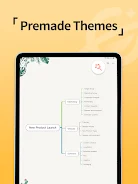

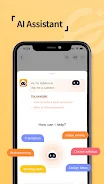
GitMind: AI搭載マインドマップ、チャットボット スクリーンショット 0
GitMind: AI搭載マインドマップ、チャットボット スクリーンショット 1
GitMind: AI搭載マインドマップ、チャットボット スクリーンショット 2
GitMind: AI搭載マインドマップ、チャットボット スクリーンショット 3
最新ニュース
Cross-platform play features refer to theCriticalSection in video games that allow players on different gaming platforms (such as PlayStation, Xbox, PC, and mobile) to play together in the same game session. This interoperability has become increasingly popular in modern gaming due to player demand for broader social experiences and larger player pools.
Key aspects of cross-platform play features include:


Unified Player Bases: By enabling players from different platforms to join the same servers, games can maintain more active communities, reducing lag and long wait times.


Improved Accessibility: Players are not limited to playing only with others on the same console or operating system, making it easier to connect with friends across different devices.


Consistent Game Experience: Developers must ensure gameplay mechanics, controls, and performance are balanced across platforms. For example, a player on a mobile device using touch controls should not have a significant advantage over a PC user with a keyboard and mouse.


Control and Input Adaptation: Games often implement different control schemes (e.g., touch, controller, mouse and keyboard) to accommodate platform-specific input methods while maintaining fairness.


Cloud Saves and Progress Synchronization: Many cross-platform games use cloud-based services to store player progress, ensuring that achievements and game data sync across all devices.


Challenges and Limitations:

Technical Hurdles: Differences in hardware performance and network infrastructure can complicate development.
Business and Licensing Issues: Platform holders like Sony, Microsoft, and Apple have historically been cautious about cross-play due to concerns over revenue, exclusivity, and control over their ecosystems.
Security and Anti-Cheat: Ensuring fair play across platforms requires robust anti-cheat systems and consistent enforcement.


Notable examples of successful cross-platform play include:

Fortnite – Fully cross-platform across PC, PlayStation, Xbox, Nintendo Switch, iOS, and Android.
Minecraft – Supports cross-play between almost all major platforms.
Apex Legends – Allows players on PC, PlayStation, Xbox, and mobile (via cloud gaming) to play together.
Call of Duty: Mobile and Call of Duty: Warzone – Offer cross-play across platforms.

Overall, cross-platform play features are increasingly seen as a standard in modern gaming, driven by player expectations for inclusivity and seamless multiplayer experiences. As technology advances and platform companies become more open, cross-platform gaming is likely to become even more widespread.

Cross-platform play features refer to theCriticalSection in video games that allow players on different gaming platforms (such as PlayStation, Xbox, PC, and mobile) to play together in the same game session. This interoperability has become increasingly popular in modern gaming due to player demand for broader social experiences and larger player pools. Key aspects of cross-platform play features include: Unified Player Bases: By enabling players from different platforms to join the same servers, games can maintain more active communities, reducing lag and long wait times. Improved Accessibility: Players are not limited to playing only with others on the same console or operating system, making it easier to connect with friends across different devices. Consistent Game Experience: Developers must ensure gameplay mechanics, controls, and performance are balanced across platforms. For example, a player on a mobile device using touch controls should not have a significant advantage over a PC user with a keyboard and mouse. Control and Input Adaptation: Games often implement different control schemes (e.g., touch, controller, mouse and keyboard) to accommodate platform-specific input methods while maintaining fairness. Cloud Saves and Progress Synchronization: Many cross-platform games use cloud-based services to store player progress, ensuring that achievements and game data sync across all devices. Challenges and Limitations: Technical Hurdles: Differences in hardware performance and network infrastructure can complicate development. Business and Licensing Issues: Platform holders like Sony, Microsoft, and Apple have historically been cautious about cross-play due to concerns over revenue, exclusivity, and control over their ecosystems. Security and Anti-Cheat: Ensuring fair play across platforms requires robust anti-cheat systems and consistent enforcement. Notable examples of successful cross-platform play include: Fortnite – Fully cross-platform across PC, PlayStation, Xbox, Nintendo Switch, iOS, and Android. Minecraft – Supports cross-play between almost all major platforms. Apex Legends – Allows players on PC, PlayStation, Xbox, and mobile (via cloud gaming) to play together. Call of Duty: Mobile and Call of Duty: Warzone – Offer cross-play across platforms. Overall, cross-platform play features are increasingly seen as a standard in modern gaming, driven by player expectations for inclusivity and seamless multiplayer experiences. As technology advances and platform companies become more open, cross-platform gaming is likely to become even more widespread.