
>  アプリ >  おしゃれな生活 >  OKIE811
OKIE811

OKIE811

カテゴリー : おしゃれな生活バージョン: 1.0.1.7

サイズ:21.10MOS : Android 5.1 or later

開発者:KorTerra, Inc.

4
ダウンロード
アプリケーションの説明

okie811モバイルアプリは、オクラホマ全体で地下のユーティリティの安全性を確保するための不可欠なツールです。施設オペレーター、掘削機、または住宅所有者であろうと、このアプリは、ロケートリクエストを送信し、安全な掘削慣行に関する重要な情報にアクセスし、地元の損害防止イベントとトレーニングセッションについて情報を提供するプロセスを簡素化します。スマートフォンやタブレットに数回タップしているだけで、地下のユーティリティへの損害を防ぎ、より安全なオクラホマを促進する上で極めて重要な役割を果たすことができます。今すぐアプリをダウンロードし、州全体の安全な掘削慣行を支持する運動の一部になるようにしてください。掘る前に常に811に電話することを忘れないでください!

okie811の機能:

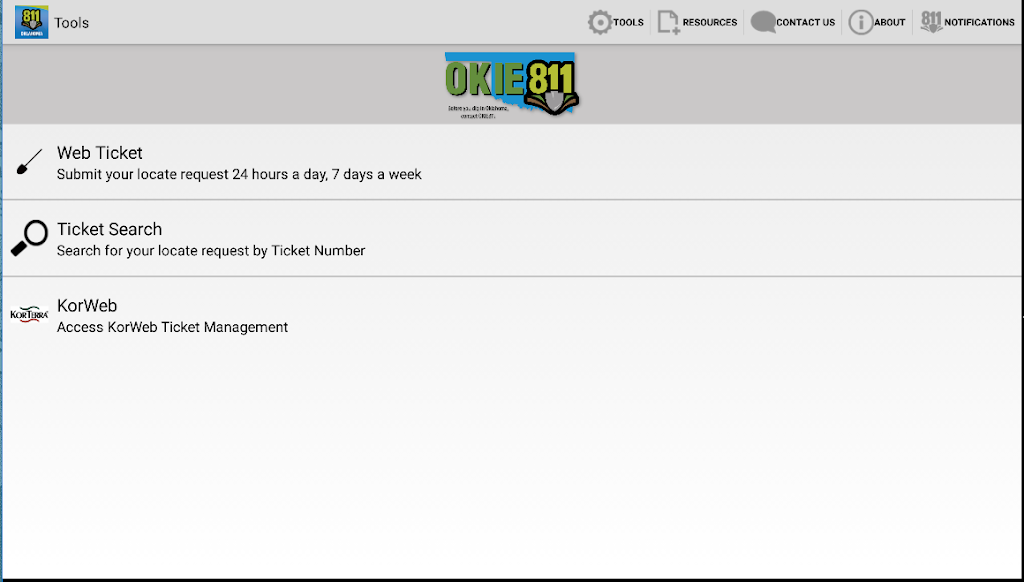
使いやすさ: okie811アプリは、施設のオペレーターと住宅所有者がロケートリクエストを送信したり、モバイルデバイスを数回タップしてチケットを検索するために簡単にするように設計されたユーザーフレンドリーなインターフェイスを誇っています。

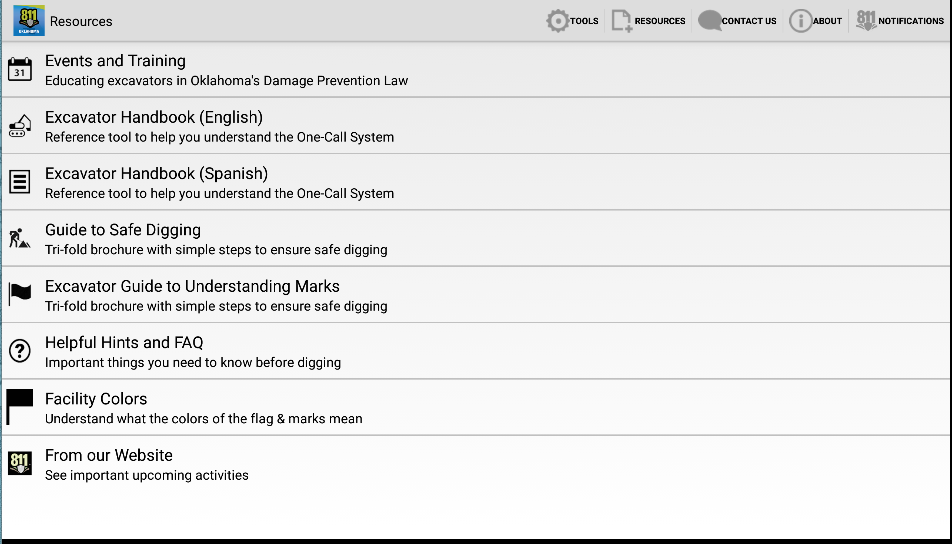
compertive重要な情報:このアプリは重要な情報の宝庫であり、安全な掘削慣行、地下ユーティリティへの損害を防ぐための戦略、およびオクラホマ州の発掘法の包括的な理解についての洞察を提供します。

damageダメージ予防イベント: OKIE811アプリでは、カーブの先を行くことができます。アプリを介して直接RSVPを使用することもでき、安全知識を高める機会を逃さないようにします。

24/7アクセス: OKIE811アプリを使用すると、必須のリソースとツールへの24時間アクセスできます。これは、昼夜を問わず、いつでも簡単で効率的に発掘のニーズや懸念に対処できることを意味します。

結論:

OKIE811アプリは、ユーザーが発掘ニーズを効果的に管理することができると同時に、地下のユーティリティへの損害を防ぐためのベストプラクティスに十分な情報を提供しています。ロケートリクエストの送信から、安全な掘削慣行に関する豊富なリソースと情報へのアクセスまで、このアプリはオクラホマ州の発掘作業に関与する人にとって不可欠です。今すぐアプリをダウンロードして、オクラホマ州の法律の安全性とコンプライアンスを確保してください。

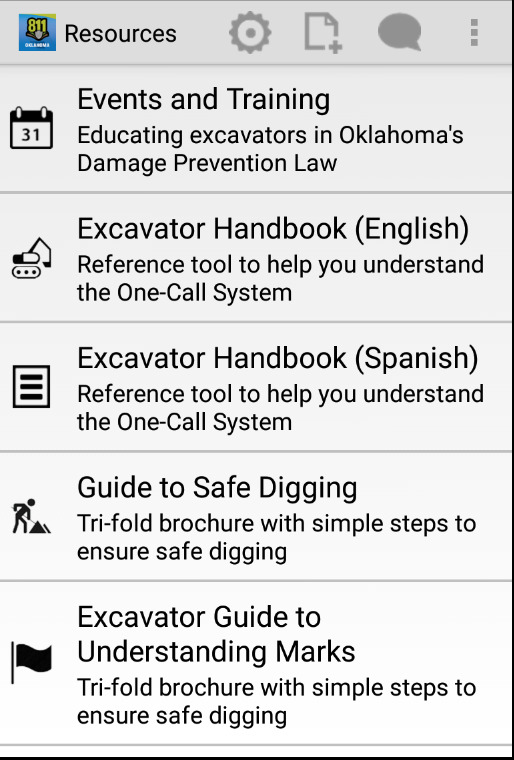
OKIE811 スクリーンショット 0
OKIE811 スクリーンショット 1
OKIE811 スクリーンショット 2
OKIE811 スクリーンショット 3
最新ニュース
Cross-platform play features refer to theCriticalSection in video games that allow players on different gaming platforms (such as PlayStation, Xbox, PC, and mobile) to play together in the same game session. This interoperability has become increasingly popular in modern gaming due to player demand for broader social experiences and larger player pools.
Key aspects of cross-platform play features include:


Unified Player Bases: By enabling players from different platforms to join the same servers, games can maintain more active communities, reducing lag and long wait times.


Improved Accessibility: Players are not limited to playing only with others on the same console or operating system, making it easier to connect with friends across different devices.


Consistent Game Experience: Developers must ensure gameplay mechanics, controls, and performance are balanced across platforms. For example, a player on a mobile device using touch controls should not have a significant advantage over a PC user with a keyboard and mouse.


Control and Input Adaptation: Games often implement different control schemes (e.g., touch, controller, mouse and keyboard) to accommodate platform-specific input methods while maintaining fairness.


Cloud Saves and Progress Synchronization: Many cross-platform games use cloud-based services to store player progress, ensuring that achievements and game data sync across all devices.


Challenges and Limitations:

Technical Hurdles: Differences in hardware performance and network infrastructure can complicate development.
Business and Licensing Issues: Platform holders like Sony, Microsoft, and Apple have historically been cautious about cross-play due to concerns over revenue, exclusivity, and control over their ecosystems.
Security and Anti-Cheat: Ensuring fair play across platforms requires robust anti-cheat systems and consistent enforcement.


Notable examples of successful cross-platform play include:

Fortnite – Fully cross-platform across PC, PlayStation, Xbox, Nintendo Switch, iOS, and Android.
Minecraft – Supports cross-play between almost all major platforms.
Apex Legends – Allows players on PC, PlayStation, Xbox, and mobile (via cloud gaming) to play together.
Call of Duty: Mobile and Call of Duty: Warzone – Offer cross-play across platforms.

Overall, cross-platform play features are increasingly seen as a standard in modern gaming, driven by player expectations for inclusivity and seamless multiplayer experiences. As technology advances and platform companies become more open, cross-platform gaming is likely to become even more widespread.

Cross-platform play features refer to theCriticalSection in video games that allow players on different gaming platforms (such as PlayStation, Xbox, PC, and mobile) to play together in the same game session. This interoperability has become increasingly popular in modern gaming due to player demand for broader social experiences and larger player pools. Key aspects of cross-platform play features include: Unified Player Bases: By enabling players from different platforms to join the same servers, games can maintain more active communities, reducing lag and long wait times. Improved Accessibility: Players are not limited to playing only with others on the same console or operating system, making it easier to connect with friends across different devices. Consistent Game Experience: Developers must ensure gameplay mechanics, controls, and performance are balanced across platforms. For example, a player on a mobile device using touch controls should not have a significant advantage over a PC user with a keyboard and mouse. Control and Input Adaptation: Games often implement different control schemes (e.g., touch, controller, mouse and keyboard) to accommodate platform-specific input methods while maintaining fairness. Cloud Saves and Progress Synchronization: Many cross-platform games use cloud-based services to store player progress, ensuring that achievements and game data sync across all devices. Challenges and Limitations: Technical Hurdles: Differences in hardware performance and network infrastructure can complicate development. Business and Licensing Issues: Platform holders like Sony, Microsoft, and Apple have historically been cautious about cross-play due to concerns over revenue, exclusivity, and control over their ecosystems. Security and Anti-Cheat: Ensuring fair play across platforms requires robust anti-cheat systems and consistent enforcement. Notable examples of successful cross-platform play include: Fortnite – Fully cross-platform across PC, PlayStation, Xbox, Nintendo Switch, iOS, and Android. Minecraft – Supports cross-play between almost all major platforms. Apex Legends – Allows players on PC, PlayStation, Xbox, and mobile (via cloud gaming) to play together. Call of Duty: Mobile and Call of Duty: Warzone – Offer cross-play across platforms. Overall, cross-platform play features are increasingly seen as a standard in modern gaming, driven by player expectations for inclusivity and seamless multiplayer experiences. As technology advances and platform companies become more open, cross-platform gaming is likely to become even more widespread.