
>  ゲーム >  カード >  Progressive Chess
Progressive Chess

Progressive Chess

カテゴリー : カードバージョン: 1.3

サイズ:1.60MOS : Android 5.1 or later

開発者:Crazy Moose Studio

4.2
ダウンロード
アプリケーションの説明

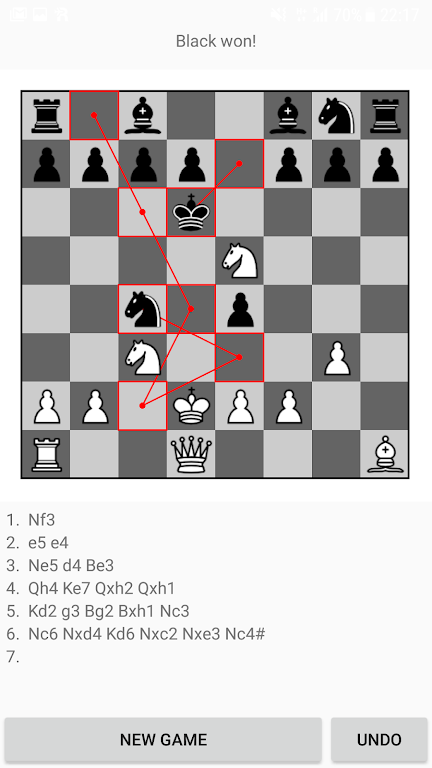
あなたが知っているようにゲームを再定義するチェス体験の準備はできていますか?プログレッシブチェスは、あなたが待ち望んでいたスリリングなバリアントです!このゲームは、伝統的なチェスを、ターンごとに増加する動きの数が増加する機知のダイナミックな戦いに変えます。あなたの戦略的思考に挑戦し、迅速な意思決定を要求するように設計されたプログレッシブチェスは、あなたを最初から最後まであなたの座席の端にあなたを維持します。洗練されたAIを引き受けたり、友人と激しい戦いに参加したりする場合でも、このゲームはあなたの限界をテストし、チェスのスキルを向上させます。興奮をお見逃しなく、今日のプログレッシブチェスの世界に自分自身を想像してください!

プログレッシブチェスの特徴:

>ユニークなゲームプレイエクスペリエンスのために、徐々に長い動きのシーケンスに従事する

> 1つの動きをする白から始まり、2つで黒、次に3つの白が続くなど

>あなたのターンの最後の動きとしてのみチェックを行うことができるので、あなたの動きを慎重に戦略化する

>次のターンの最初の動きでチェックを解決するためにシャープにとどまる

> AIまたは他のプレーヤーのいずれかに挑戦してスキルをテストする

>包括的なガイド、洞察に富んだ電子書籍、Enhanced ExperienceのためのPCバージョンなどの追加リソースにアクセスする

結論:

プログレッシブチェスは、革新的なプログレッシブ移動シーケンスと要求の厳しいゲームプレイで際立った爽快なチェス体験を提供します。 AIまたは他のプレイヤーに対抗するかどうかにかかわらず、このゲームは戦略的な境界を押し上げることを約束します。ビジュアル、パフォーマンス、機能、安定性を改善する継続的な更新により、プログレッシブチェスは、クラシックゲームで新鮮で挑戦的なひねりを求めるチェス愛好家にとって必見です。今すぐダウンロードして、この爆発的なチェスバリアントで繁栄するために必要なものがあるかどうかを確認してください!


Progressive Chess スクリーンショット 0
Progressive Chess スクリーンショット 1
Progressive Chess スクリーンショット 2
最新ニュース
Cross-platform play features refer to theCriticalSection in video games that allow players on different gaming platforms (such as PlayStation, Xbox, PC, and mobile) to play together in the same game session. This interoperability has become increasingly popular in modern gaming due to player demand for broader social experiences and larger player pools.
Key aspects of cross-platform play features include:


Unified Player Bases: By enabling players from different platforms to join the same servers, games can maintain more active communities, reducing lag and long wait times.


Improved Accessibility: Players are not limited to playing only with others on the same console or operating system, making it easier to connect with friends across different devices.


Consistent Game Experience: Developers must ensure gameplay mechanics, controls, and performance are balanced across platforms. For example, a player on a mobile device using touch controls should not have a significant advantage over a PC user with a keyboard and mouse.


Control and Input Adaptation: Games often implement different control schemes (e.g., touch, controller, mouse and keyboard) to accommodate platform-specific input methods while maintaining fairness.


Cloud Saves and Progress Synchronization: Many cross-platform games use cloud-based services to store player progress, ensuring that achievements and game data sync across all devices.


Challenges and Limitations:

Technical Hurdles: Differences in hardware performance and network infrastructure can complicate development.
Business and Licensing Issues: Platform holders like Sony, Microsoft, and Apple have historically been cautious about cross-play due to concerns over revenue, exclusivity, and control over their ecosystems.
Security and Anti-Cheat: Ensuring fair play across platforms requires robust anti-cheat systems and consistent enforcement.


Notable examples of successful cross-platform play include:

Fortnite – Fully cross-platform across PC, PlayStation, Xbox, Nintendo Switch, iOS, and Android.
Minecraft – Supports cross-play between almost all major platforms.
Apex Legends – Allows players on PC, PlayStation, Xbox, and mobile (via cloud gaming) to play together.
Call of Duty: Mobile and Call of Duty: Warzone – Offer cross-play across platforms.

Overall, cross-platform play features are increasingly seen as a standard in modern gaming, driven by player expectations for inclusivity and seamless multiplayer experiences. As technology advances and platform companies become more open, cross-platform gaming is likely to become even more widespread.

Cross-platform play features refer to theCriticalSection in video games that allow players on different gaming platforms (such as PlayStation, Xbox, PC, and mobile) to play together in the same game session. This interoperability has become increasingly popular in modern gaming due to player demand for broader social experiences and larger player pools. Key aspects of cross-platform play features include: Unified Player Bases: By enabling players from different platforms to join the same servers, games can maintain more active communities, reducing lag and long wait times. Improved Accessibility: Players are not limited to playing only with others on the same console or operating system, making it easier to connect with friends across different devices. Consistent Game Experience: Developers must ensure gameplay mechanics, controls, and performance are balanced across platforms. For example, a player on a mobile device using touch controls should not have a significant advantage over a PC user with a keyboard and mouse. Control and Input Adaptation: Games often implement different control schemes (e.g., touch, controller, mouse and keyboard) to accommodate platform-specific input methods while maintaining fairness. Cloud Saves and Progress Synchronization: Many cross-platform games use cloud-based services to store player progress, ensuring that achievements and game data sync across all devices. Challenges and Limitations: Technical Hurdles: Differences in hardware performance and network infrastructure can complicate development. Business and Licensing Issues: Platform holders like Sony, Microsoft, and Apple have historically been cautious about cross-play due to concerns over revenue, exclusivity, and control over their ecosystems. Security and Anti-Cheat: Ensuring fair play across platforms requires robust anti-cheat systems and consistent enforcement. Notable examples of successful cross-platform play include: Fortnite – Fully cross-platform across PC, PlayStation, Xbox, Nintendo Switch, iOS, and Android. Minecraft – Supports cross-play between almost all major platforms. Apex Legends – Allows players on PC, PlayStation, Xbox, and mobile (via cloud gaming) to play together. Call of Duty: Mobile and Call of Duty: Warzone – Offer cross-play across platforms. Overall, cross-platform play features are increasingly seen as a standard in modern gaming, driven by player expectations for inclusivity and seamless multiplayer experiences. As technology advances and platform companies become more open, cross-platform gaming is likely to become even more widespread.