
>  ゲーム >  トリビア >  QuizApp
QuizApp

QuizApp

カテゴリー : トリビアバージョン: 1.1.2

サイズ:33.7 MBOS : Android 8.0+

開発者:Cranberry Apps

3.8
ダウンロード
アプリケーションの説明

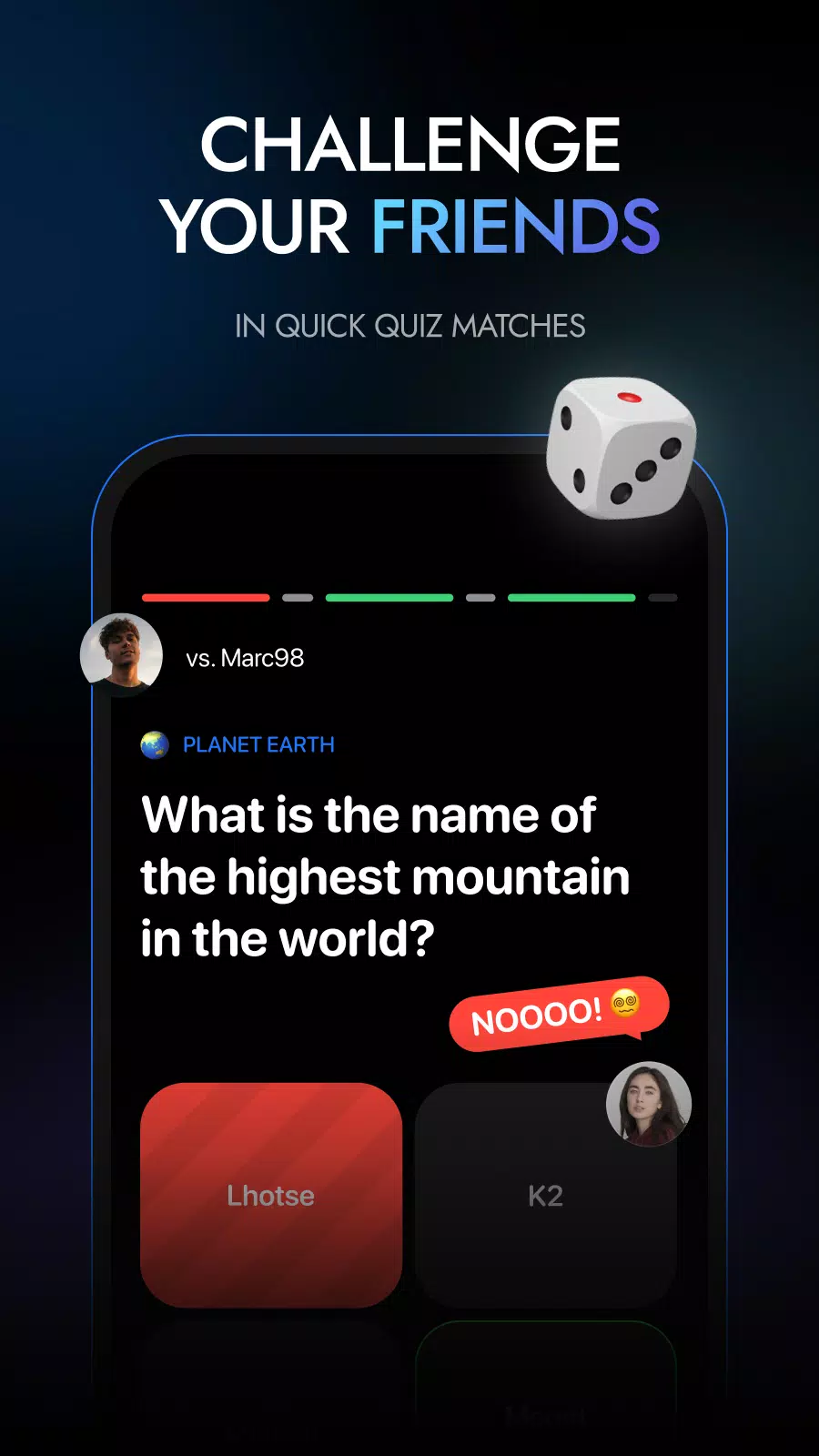
友達に挑戦し、トリビアのスキルをテストし、リーダーボードを征服してください!知識が社会的相互作用を満たす究極のトリビアネットワークであるQuizAppへようこそ。クイズゲームとソーシャルネットワークのこのダイナミックなブレンドは、クイズ愛好家や社会的蝶にも最適です。

主な機能:

  • ソーシャルネットワーク:プロフィールを作成し、友達に挑戦し、成果を共有します。グローバルに仲間の知識愛好家とつながります。
  • クイズの課題:多様なクイズカテゴリ全体で知識をテストします。科学からポップカルチャーまで、誰にとっても何かがあります。
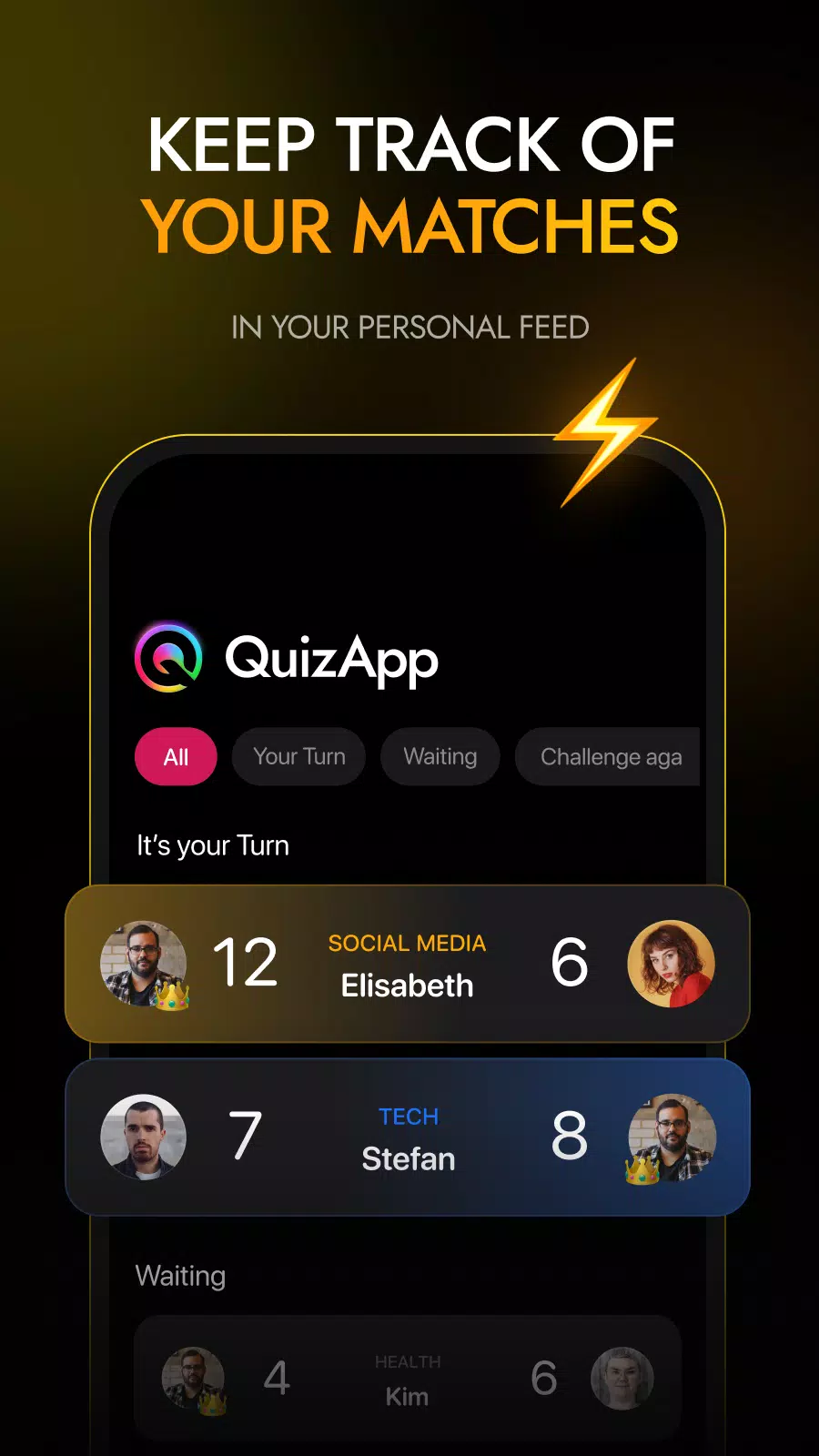
  • リーダーボードとトロフィー:クイズ大会に出場し、トロフィーとメダルを獲得し、グローバルリーダーボードを登ります。
  • 詳細な洞察:詳細な統計でパフォーマンスを追跡して、改善の領域を特定し、知識を高めます。
  • 友達の挑戦:真のトリビアチャンピオンを決定するために、友人との直接的なクイズの決闘に従事します。
  • ユーザーフレンドリーなダッシュボード:ゲームの進行状況と成果を簡単に監視できます。

プレイしやすい:

大量の質問とトピックがあるため、QuizAppはあなたの脳に挑戦し、真のクイズマスターになる理想的なトリビアアプリです!

つながりを維持:

最新のクイズイベントと新しいコンテンツの更新については、ソーシャルメディアでフォローしてください。 QuizAppは、情熱的な開発チームからもたらされます。知識愛好家のグローバルコミュニティに参加し、最もエキサイティングでインタラクティブなクイズアプリの1つを経験してください!

クランベリーの詳細については、ホームページwww.cranberry.appをご覧ください

良い時!

___________

Tiktok:@quizapp_de instagram:@quizapp_de x:@cranberryApps

バージョン1.1.2の新しいもの(2024年12月4日に最終更新):

これは、QuizAppの最初のリリースです。

QuizApp スクリーンショット 0
QuizApp スクリーンショット 1
QuizApp スクリーンショット 2
QuizApp スクリーンショット 3
最新ニュース
Cross-platform play features refer to theCriticalSection in video games that allow players on different gaming platforms (such as PlayStation, Xbox, PC, and mobile) to play together in the same game session. This interoperability has become increasingly popular in modern gaming due to player demand for broader social experiences and larger player pools.
Key aspects of cross-platform play features include:


Unified Player Bases: By enabling players from different platforms to join the same servers, games can maintain more active communities, reducing lag and long wait times.


Improved Accessibility: Players are not limited to playing only with others on the same console or operating system, making it easier to connect with friends across different devices.


Consistent Game Experience: Developers must ensure gameplay mechanics, controls, and performance are balanced across platforms. For example, a player on a mobile device using touch controls should not have a significant advantage over a PC user with a keyboard and mouse.


Control and Input Adaptation: Games often implement different control schemes (e.g., touch, controller, mouse and keyboard) to accommodate platform-specific input methods while maintaining fairness.


Cloud Saves and Progress Synchronization: Many cross-platform games use cloud-based services to store player progress, ensuring that achievements and game data sync across all devices.


Challenges and Limitations:

Technical Hurdles: Differences in hardware performance and network infrastructure can complicate development.
Business and Licensing Issues: Platform holders like Sony, Microsoft, and Apple have historically been cautious about cross-play due to concerns over revenue, exclusivity, and control over their ecosystems.
Security and Anti-Cheat: Ensuring fair play across platforms requires robust anti-cheat systems and consistent enforcement.


Notable examples of successful cross-platform play include:

Fortnite – Fully cross-platform across PC, PlayStation, Xbox, Nintendo Switch, iOS, and Android.
Minecraft – Supports cross-play between almost all major platforms.
Apex Legends – Allows players on PC, PlayStation, Xbox, and mobile (via cloud gaming) to play together.
Call of Duty: Mobile and Call of Duty: Warzone – Offer cross-play across platforms.

Overall, cross-platform play features are increasingly seen as a standard in modern gaming, driven by player expectations for inclusivity and seamless multiplayer experiences. As technology advances and platform companies become more open, cross-platform gaming is likely to become even more widespread.

Cross-platform play features refer to theCriticalSection in video games that allow players on different gaming platforms (such as PlayStation, Xbox, PC, and mobile) to play together in the same game session. This interoperability has become increasingly popular in modern gaming due to player demand for broader social experiences and larger player pools. Key aspects of cross-platform play features include: Unified Player Bases: By enabling players from different platforms to join the same servers, games can maintain more active communities, reducing lag and long wait times. Improved Accessibility: Players are not limited to playing only with others on the same console or operating system, making it easier to connect with friends across different devices. Consistent Game Experience: Developers must ensure gameplay mechanics, controls, and performance are balanced across platforms. For example, a player on a mobile device using touch controls should not have a significant advantage over a PC user with a keyboard and mouse. Control and Input Adaptation: Games often implement different control schemes (e.g., touch, controller, mouse and keyboard) to accommodate platform-specific input methods while maintaining fairness. Cloud Saves and Progress Synchronization: Many cross-platform games use cloud-based services to store player progress, ensuring that achievements and game data sync across all devices. Challenges and Limitations: Technical Hurdles: Differences in hardware performance and network infrastructure can complicate development. Business and Licensing Issues: Platform holders like Sony, Microsoft, and Apple have historically been cautious about cross-play due to concerns over revenue, exclusivity, and control over their ecosystems. Security and Anti-Cheat: Ensuring fair play across platforms requires robust anti-cheat systems and consistent enforcement. Notable examples of successful cross-platform play include: Fortnite – Fully cross-platform across PC, PlayStation, Xbox, Nintendo Switch, iOS, and Android. Minecraft – Supports cross-play between almost all major platforms. Apex Legends – Allows players on PC, PlayStation, Xbox, and mobile (via cloud gaming) to play together. Call of Duty: Mobile and Call of Duty: Warzone – Offer cross-play across platforms. Overall, cross-platform play features are increasingly seen as a standard in modern gaming, driven by player expectations for inclusivity and seamless multiplayer experiences. As technology advances and platform companies become more open, cross-platform gaming is likely to become even more widespread.