>  ゲーム >  アーケード >  Rush Runner
Rush Runner

Rush Runner

カテゴリー : アーケードバージョン: 2.212

サイズ:69.4 MBOS : Android 5.1+

3.4
ダウンロード
アプリケーションの説明

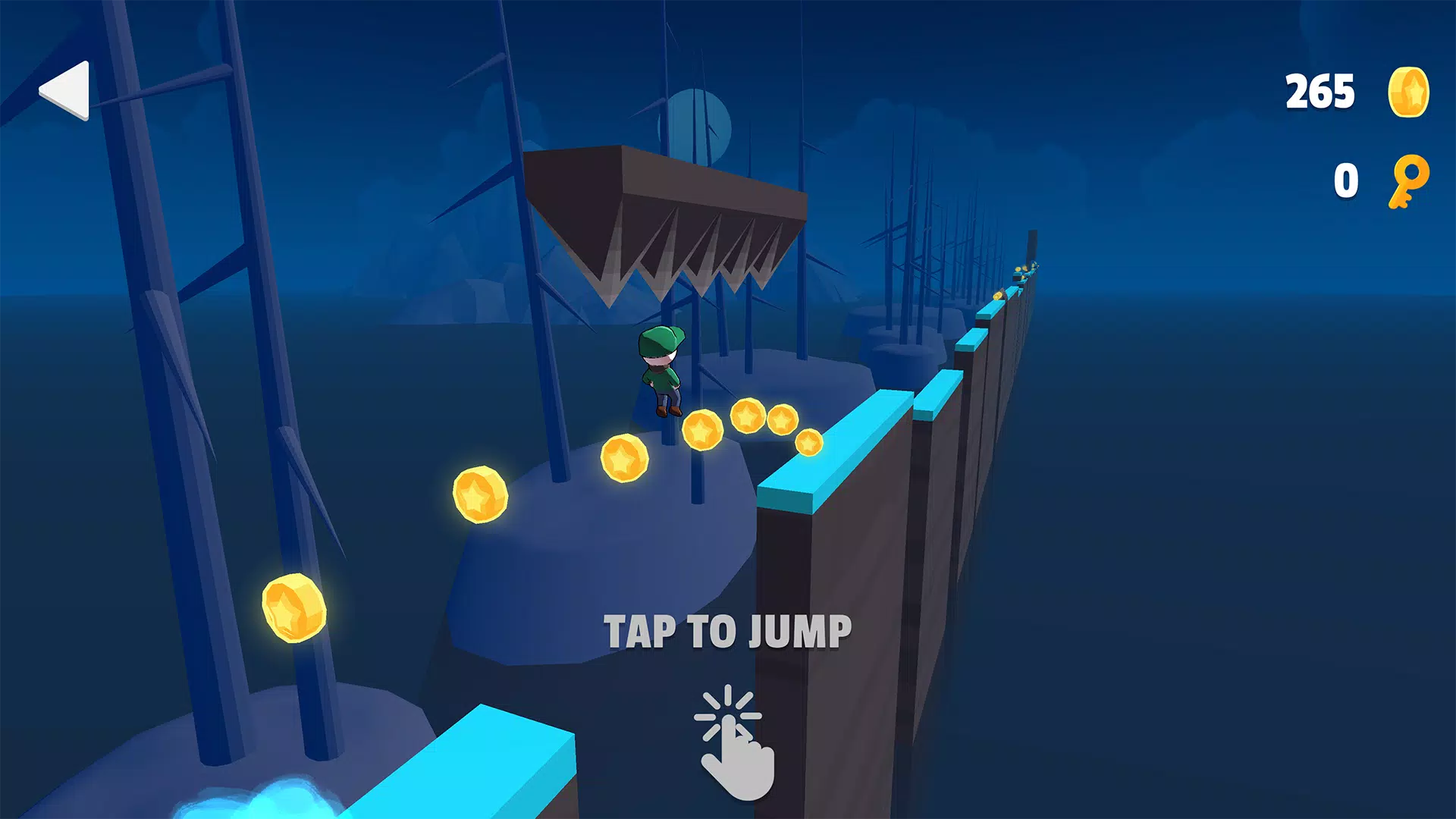
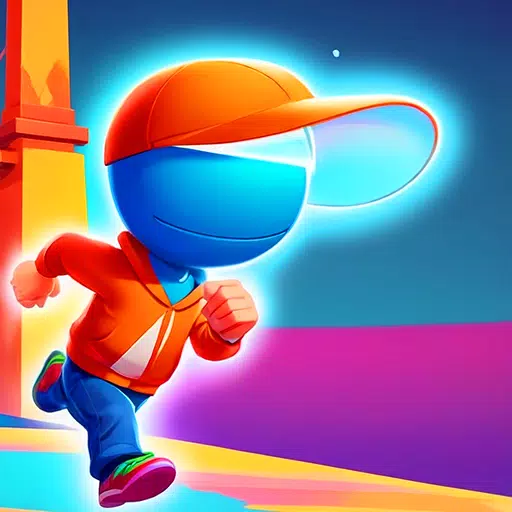
ランニング、ジャンプ、パルクールのスリルを体験してください!ユニークなキャラクターのロックを解除し、信じられないほどのトリックをマスターし、パルクールラッシュで活気のあるレベルを探索します:カラーランアドベンチャー!このハイパーカジュアルランナーは、中毒性のあるゲームプレイ、素晴らしいビジュアル、そして何時間もの楽しみのための無限の課題を提供します。

なぜパルクールラッシュを選ぶのですか?

  • ユニークなヒーロー:ロックを解除して、それぞれが独自のスタイルと動きを備えたキャラクターとして演奏します。あなたの完璧なマッチを見つけてください!
  • スタイリッシュなパルクールのトリック:印象的なフリップ、ジャンプ、壁のランを実行して、ランにフレアを追加します。
  • 鮮やかなレベル:すべての実行で動的な色の変化とユニークな障害を体験します。
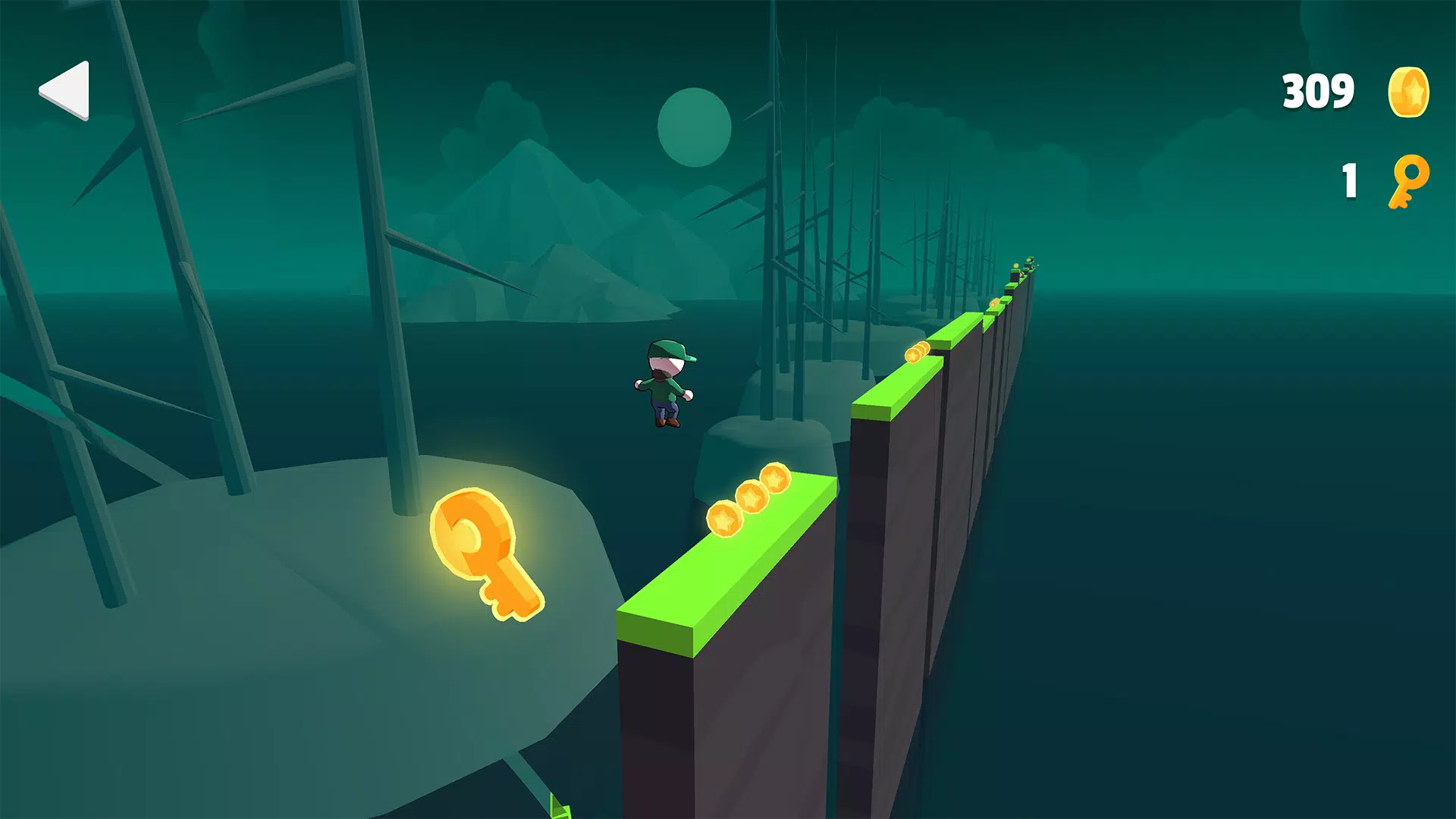
  • やりがいのあるゲームプレイ:コインとキーを集めて、新しいキャラクターとパルクールのトリックのロックを解除します。
  • 壮大な課題:マスターダブルジャンプ、致命的なスパイクをかわし、挑戦的なギャップを征服します。
  • 無限の楽しみ:数え切れないほどのレベルと困難の増加は、常に達成すべき新しい目標が常にあることを確認します。

このゲームは誰のためですか?

パルクールラッシュは、カジュアルゲーマーからパルクール愛好家まで、すべての人に興奮を提供します。クイックプレイセッションや拡張ゲームマラソンに最適です。

あなたの反射とパルクールのスキルをテストに導く準備はできましたか? Parkour Rush:Color Run Adventureからダウンロードして、冒険を始めましょう!

バージョン2.212の新しいもの(2024年12月17日に最終更新)

この更新には、ゲームプレイの改善とバグ修正が含まれます。

Rush Runner スクリーンショット 0
Rush Runner スクリーンショット 1
Rush Runner スクリーンショット 2
Rush Runner スクリーンショット 3
最新ニュース
Cross-platform play features refer to theCriticalSection in video games that allow players on different gaming platforms (such as PlayStation, Xbox, PC, and mobile) to play together in the same game session. This interoperability has become increasingly popular in modern gaming due to player demand for broader social experiences and larger player pools.
Key aspects of cross-platform play features include:


Unified Player Bases: By enabling players from different platforms to join the same servers, games can maintain more active communities, reducing lag and long wait times.


Improved Accessibility: Players are not limited to playing only with others on the same console or operating system, making it easier to connect with friends across different devices.


Consistent Game Experience: Developers must ensure gameplay mechanics, controls, and performance are balanced across platforms. For example, a player on a mobile device using touch controls should not have a significant advantage over a PC user with a keyboard and mouse.


Control and Input Adaptation: Games often implement different control schemes (e.g., touch, controller, mouse and keyboard) to accommodate platform-specific input methods while maintaining fairness.


Cloud Saves and Progress Synchronization: Many cross-platform games use cloud-based services to store player progress, ensuring that achievements and game data sync across all devices.


Challenges and Limitations:

Technical Hurdles: Differences in hardware performance and network infrastructure can complicate development.
Business and Licensing Issues: Platform holders like Sony, Microsoft, and Apple have historically been cautious about cross-play due to concerns over revenue, exclusivity, and control over their ecosystems.
Security and Anti-Cheat: Ensuring fair play across platforms requires robust anti-cheat systems and consistent enforcement.


Notable examples of successful cross-platform play include:

Fortnite – Fully cross-platform across PC, PlayStation, Xbox, Nintendo Switch, iOS, and Android.
Minecraft – Supports cross-play between almost all major platforms.
Apex Legends – Allows players on PC, PlayStation, Xbox, and mobile (via cloud gaming) to play together.
Call of Duty: Mobile and Call of Duty: Warzone – Offer cross-play across platforms.

Overall, cross-platform play features are increasingly seen as a standard in modern gaming, driven by player expectations for inclusivity and seamless multiplayer experiences. As technology advances and platform companies become more open, cross-platform gaming is likely to become even more widespread.

Cross-platform play features refer to theCriticalSection in video games that allow players on different gaming platforms (such as PlayStation, Xbox, PC, and mobile) to play together in the same game session. This interoperability has become increasingly popular in modern gaming due to player demand for broader social experiences and larger player pools. Key aspects of cross-platform play features include: Unified Player Bases: By enabling players from different platforms to join the same servers, games can maintain more active communities, reducing lag and long wait times. Improved Accessibility: Players are not limited to playing only with others on the same console or operating system, making it easier to connect with friends across different devices. Consistent Game Experience: Developers must ensure gameplay mechanics, controls, and performance are balanced across platforms. For example, a player on a mobile device using touch controls should not have a significant advantage over a PC user with a keyboard and mouse. Control and Input Adaptation: Games often implement different control schemes (e.g., touch, controller, mouse and keyboard) to accommodate platform-specific input methods while maintaining fairness. Cloud Saves and Progress Synchronization: Many cross-platform games use cloud-based services to store player progress, ensuring that achievements and game data sync across all devices. Challenges and Limitations: Technical Hurdles: Differences in hardware performance and network infrastructure can complicate development. Business and Licensing Issues: Platform holders like Sony, Microsoft, and Apple have historically been cautious about cross-play due to concerns over revenue, exclusivity, and control over their ecosystems. Security and Anti-Cheat: Ensuring fair play across platforms requires robust anti-cheat systems and consistent enforcement. Notable examples of successful cross-platform play include: Fortnite – Fully cross-platform across PC, PlayStation, Xbox, Nintendo Switch, iOS, and Android. Minecraft – Supports cross-play between almost all major platforms. Apex Legends – Allows players on PC, PlayStation, Xbox, and mobile (via cloud gaming) to play together. Call of Duty: Mobile and Call of Duty: Warzone – Offer cross-play across platforms. Overall, cross-platform play features are increasingly seen as a standard in modern gaming, driven by player expectations for inclusivity and seamless multiplayer experiences. As technology advances and platform companies become more open, cross-platform gaming is likely to become even more widespread.