
>  ゲーム >  カジュアル >  Wacky Warper
Wacky Warper

Wacky Warper

カテゴリー : カジュアルバージョン: 2.4.0

サイズ:77.1 MBOS : Android 5.1+

開発者:Hippo Penny

3.4
ダウンロード
アプリケーションの説明

HSR愚かな願いガチャシミュレーター:ドレス、ギフト、チャット、感情、ミーム、奇抜なスイカ

奇抜なワーパー:ホンカイの愚かなウィッシュシミュレーター:スターレール

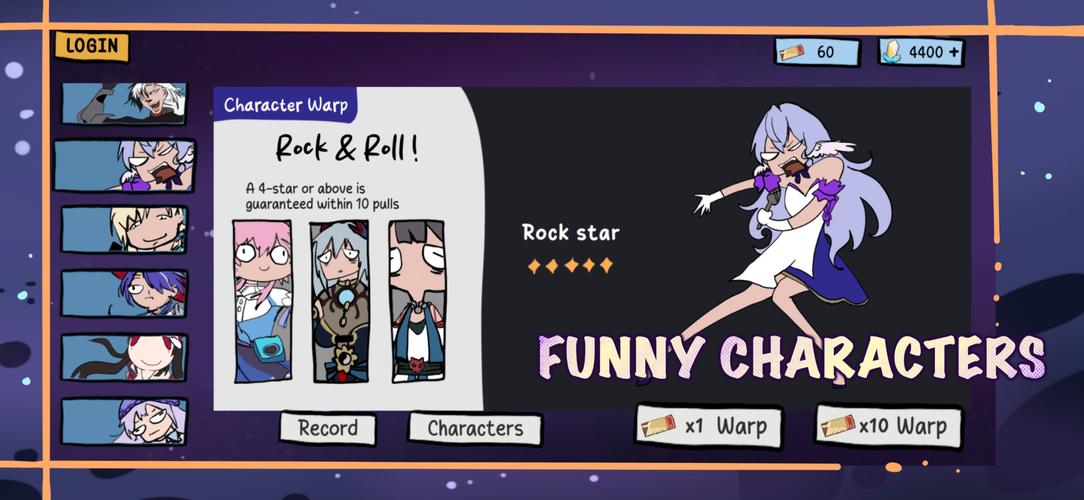
Wacky Warperの気まぐれな世界、Honkai:Star Rail Gachaシミュレータに精度とユーモラスなひねりを組み合わせてください!このシミュレータを使用すると、衣装の活気に満ちたコレクションを備えたこのシミュレータにより、最もユニークで面白い方法でキャラクターをドレスアップできます。しかし、楽しみはそこで止まりません。あなたのキャラクターを贈り物で驚かせ、彼らのアニメーション化された応答を楽しんでください!

主な機能:

  • エキサイティングなバナー:最新のバナーとの無限のプルに従事し、コレクションへの最新の追加を見逃さないようにします。
  • キャラクターとドレスの大規模なコレクション:それぞれが独自の才能と魅力を持つ幅広いキャラクターと衣装を蓄積します。
  • Gacha:お気に入りのキャラクターのためにワープし、クールなアイテムをひっかけてルックスと能力を高めます。
  • 楽しいドレスアップ:かわいくて風変わりな衣装でキャラクターをカスタマイズすることで、創造性を解き放ちます。
  • ギフト:思慮深いプレゼントでキャラクターを喜ばせ、楽しいアニメーションで反応が展開するのを見てください!
  • キャラクターパネル: 1つの便利な場所で集めたすべてのキャラクター、アイテム、衣装を簡単に閲覧できます。
  • ミニゲーム:奇抜なスイカ、折り紙の鳥、パックマンにインスパイアされたゴミの食べる人などのトレンドミニゲームに何時間も楽しんでいます。新しいゲームは頻繁に追加され、無料でプレイできます。

奇抜なワーパーがあなたのホンカイにもたらす楽しい混乱と気まぐれな魅力を受け入れてください:スターレールエクスペリエンス!

最新バージョン2.4.0の新しいもの

2024年10月13日に最後に更新されました。WackyWarper2.4.0

  • 奇抜なスタイルのキャラクターショーケース:奇抜な才能のタッチで、キャラクタープレゼンテーションの新鮮なテイクをお楽しみください。
Wacky Warper スクリーンショット 0
Wacky Warper スクリーンショット 1
Wacky Warper スクリーンショット 2
Wacky Warper スクリーンショット 3
最新ニュース
Cross-platform play features refer to theCriticalSection in video games that allow players on different gaming platforms (such as PlayStation, Xbox, PC, and mobile) to play together in the same game session. This interoperability has become increasingly popular in modern gaming due to player demand for broader social experiences and larger player pools.
Key aspects of cross-platform play features include:


Unified Player Bases: By enabling players from different platforms to join the same servers, games can maintain more active communities, reducing lag and long wait times.


Improved Accessibility: Players are not limited to playing only with others on the same console or operating system, making it easier to connect with friends across different devices.


Consistent Game Experience: Developers must ensure gameplay mechanics, controls, and performance are balanced across platforms. For example, a player on a mobile device using touch controls should not have a significant advantage over a PC user with a keyboard and mouse.


Control and Input Adaptation: Games often implement different control schemes (e.g., touch, controller, mouse and keyboard) to accommodate platform-specific input methods while maintaining fairness.


Cloud Saves and Progress Synchronization: Many cross-platform games use cloud-based services to store player progress, ensuring that achievements and game data sync across all devices.


Challenges and Limitations:

Technical Hurdles: Differences in hardware performance and network infrastructure can complicate development.
Business and Licensing Issues: Platform holders like Sony, Microsoft, and Apple have historically been cautious about cross-play due to concerns over revenue, exclusivity, and control over their ecosystems.
Security and Anti-Cheat: Ensuring fair play across platforms requires robust anti-cheat systems and consistent enforcement.


Notable examples of successful cross-platform play include:

Fortnite – Fully cross-platform across PC, PlayStation, Xbox, Nintendo Switch, iOS, and Android.
Minecraft – Supports cross-play between almost all major platforms.
Apex Legends – Allows players on PC, PlayStation, Xbox, and mobile (via cloud gaming) to play together.
Call of Duty: Mobile and Call of Duty: Warzone – Offer cross-play across platforms.

Overall, cross-platform play features are increasingly seen as a standard in modern gaming, driven by player expectations for inclusivity and seamless multiplayer experiences. As technology advances and platform companies become more open, cross-platform gaming is likely to become even more widespread.

Cross-platform play features refer to theCriticalSection in video games that allow players on different gaming platforms (such as PlayStation, Xbox, PC, and mobile) to play together in the same game session. This interoperability has become increasingly popular in modern gaming due to player demand for broader social experiences and larger player pools. Key aspects of cross-platform play features include: Unified Player Bases: By enabling players from different platforms to join the same servers, games can maintain more active communities, reducing lag and long wait times. Improved Accessibility: Players are not limited to playing only with others on the same console or operating system, making it easier to connect with friends across different devices. Consistent Game Experience: Developers must ensure gameplay mechanics, controls, and performance are balanced across platforms. For example, a player on a mobile device using touch controls should not have a significant advantage over a PC user with a keyboard and mouse. Control and Input Adaptation: Games often implement different control schemes (e.g., touch, controller, mouse and keyboard) to accommodate platform-specific input methods while maintaining fairness. Cloud Saves and Progress Synchronization: Many cross-platform games use cloud-based services to store player progress, ensuring that achievements and game data sync across all devices. Challenges and Limitations: Technical Hurdles: Differences in hardware performance and network infrastructure can complicate development. Business and Licensing Issues: Platform holders like Sony, Microsoft, and Apple have historically been cautious about cross-play due to concerns over revenue, exclusivity, and control over their ecosystems. Security and Anti-Cheat: Ensuring fair play across platforms requires robust anti-cheat systems and consistent enforcement. Notable examples of successful cross-platform play include: Fortnite – Fully cross-platform across PC, PlayStation, Xbox, Nintendo Switch, iOS, and Android. Minecraft – Supports cross-play between almost all major platforms. Apex Legends – Allows players on PC, PlayStation, Xbox, and mobile (via cloud gaming) to play together. Call of Duty: Mobile and Call of Duty: Warzone – Offer cross-play across platforms. Overall, cross-platform play features are increasingly seen as a standard in modern gaming, driven by player expectations for inclusivity and seamless multiplayer experiences. As technology advances and platform companies become more open, cross-platform gaming is likely to become even more widespread.