

 ダウンロード
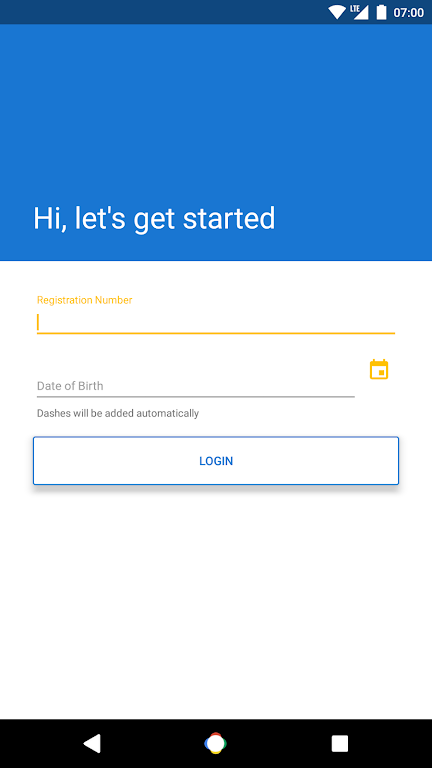
 WebSIS アプリの主な機能:
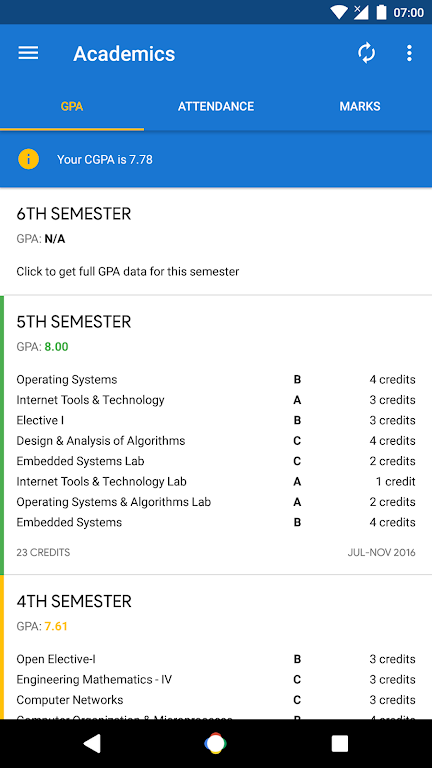
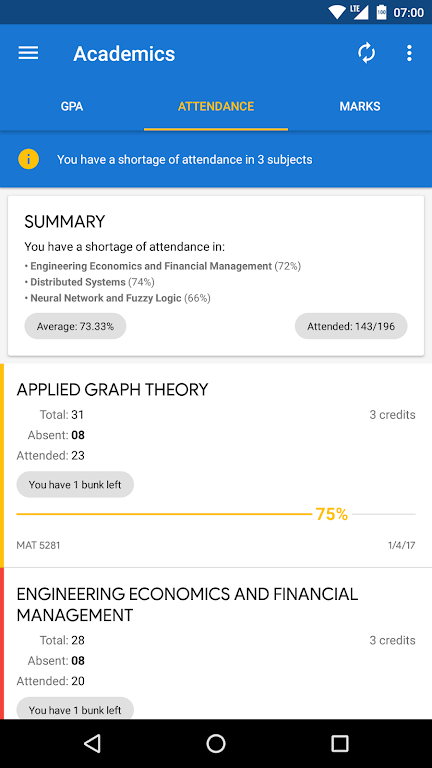
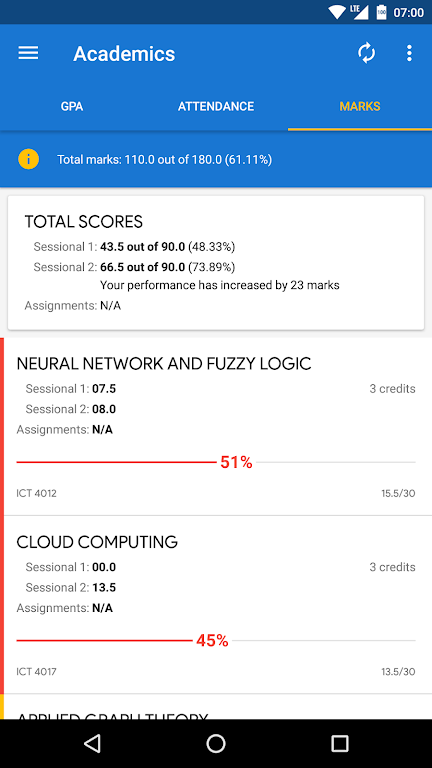
- 出席状況、GPA、得点の統合ビュー
- WebSIS プロフィールに簡単にアクセスできます。
- アプリ内で大学の通知を直接表示します (PDF 形式)。
- バックグラウンドデータの自動更新により、常に最新の情報が得られます。
- 出席とマークの更新に関するリアルタイムの通知。
- カスタマイズ可能なテーマ (ライト、ダーク、ブラック)。
- データに素早くアクセスできるホーム画面ウィジェット。
- コンパクトなデータの概要を表示するミニ モード。
- 集中的なデータ表示のための学期の選択。
- アプリの動作をパーソナライズするための広範な設定。
ユーザーヒント:
- マスター ミニ モード: スクロールせずに主要な学術情報をすばやく確認できます。外出中の学生に最適です。
- エクスペリエンスのカスタマイズ: 最適な使いやすさを実現するためにテーマと設定をカスタマイズします。
- 最新情報を入手: 成績、出席状況、大学からのお知らせに関する即時更新の通知を有効にします。
概要:
この直感的なアプリにより、WebSIS データへのアクセスが簡単になります。自動更新、オフライン キャッシュ、カスタマイズ可能な設定を備えたこの効率的なツールは、貴重な時間を節約します。今すぐアプリをダウンロードして、学業を最適化してください!


Cross-platform play features refer to theCriticalSection in video games that allow players on different gaming platforms (such as PlayStation, Xbox, PC, and mobile) to play together in the same game session. This interoperability has become increasingly popular in modern gaming due to player demand for broader social experiences and larger player pools. Key aspects of cross-platform play features include: Unified Player Bases: By enabling players from different platforms to join the same servers, games can maintain more active communities, reducing lag and long wait times. Improved Accessibility: Players are not limited to playing only with others on the same console or operating system, making it easier to connect with friends across different devices. Consistent Game Experience: Developers must ensure gameplay mechanics, controls, and performance are balanced across platforms. For example, a player on a mobile device using touch controls should not have a significant advantage over a PC user with a keyboard and mouse. Control and Input Adaptation: Games often implement different control schemes (e.g., touch, controller, mouse and keyboard) to accommodate platform-specific input methods while maintaining fairness. Cloud Saves and Progress Synchronization: Many cross-platform games use cloud-based services to store player progress, ensuring that achievements and game data sync across all devices. Challenges and Limitations: Technical Hurdles: Differences in hardware performance and network infrastructure can complicate development. Business and Licensing Issues: Platform holders like Sony, Microsoft, and Apple have historically been cautious about cross-play due to concerns over revenue, exclusivity, and control over their ecosystems. Security and Anti-Cheat: Ensuring fair play across platforms requires robust anti-cheat systems and consistent enforcement. Notable examples of successful cross-platform play include: Fortnite – Fully cross-platform across PC, PlayStation, Xbox, Nintendo Switch, iOS, and Android. Minecraft – Supports cross-play between almost all major platforms. Apex Legends – Allows players on PC, PlayStation, Xbox, and mobile (via cloud gaming) to play together. Call of Duty: Mobile and Call of Duty: Warzone – Offer cross-play across platforms. Overall, cross-platform play features are increasingly seen as a standard in modern gaming, driven by player expectations for inclusivity and seamless multiplayer experiences. As technology advances and platform companies become more open, cross-platform gaming is likely to become even more widespread.
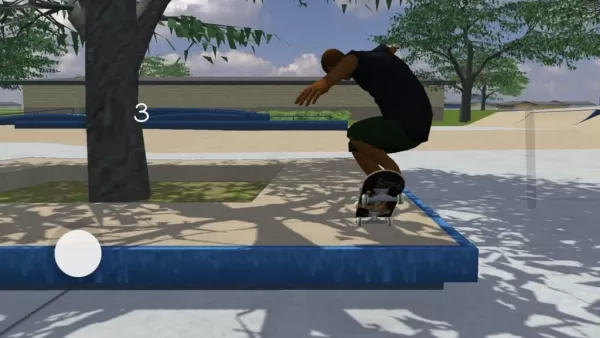
SBA (Skateboarding Arena) – A Next-Gen Skateboarding Simulation Game Overview: Skateboarding Arena (SBA) is an immersive, open-world skateboarding simulation game that blends realistic physics, dynamic environments, and deep customization to deliver the ultimate skate experience. With multiple maps, multiplayer modes, progression systems, and mod support, SBA redefines what a skate sim can be. 🎮 Core Features: 1. Multiple Dynamic Maps (Over 10+ Unique Arenas) Explore diverse, hand-crafted skate environments that reflect real-world cultures and urban aesthetics: Neon District (Cyberpunk City): Glowing alleys, LED ramps, and retro-futuristic architecture. Coastal Hangout (California Vibes): Beachside rails, wooden docks, and oceanfront vert ramps. Rust Belt Ruins (Urban Decay): Abandoned factories, graffiti-covered staircases, and crumbling overpasses. Zen Garden (Japan-inspired): Traditional stone pathways, pagodas, and tranquil courtyards with hidden tricks. Desert Mirage (Southwest USA): Wind-sculpted rock formations, desert highways, and dry riverbeds. Each map features weather systems, day/night cycles, and evolving environments (e.g., rain causes slicker rails, snow changes trick traction). 2. Hyper-Realistic Physics Engine Dynamic Skateboarding Physics: Realistic wheel grip, kickflips, ollies, grinds, and slide mechanics based on board tilt, speed, and surface texture. Custom Board Tuning: Adjust trucks, wheels, bushings, and deck flex to match your riding style. Environmental Interaction: Skate on glass, asphalt, wood, metal, and even ice—each with unique friction and response. 3. Progression & Customization Skill Tree: Unlock advanced tricks, grind combinations, and style boosts through practice and challenge modes. Custom Skater Creator: Fully customize your skater: face, clothing, tattoos, and signature style (e.g., "Skater Dad," "Street Punk," "Street Artist"). Mod Support: Create and share custom boards, maps, outfits, and even new trick combos via Steam Workshop. 4. Game Modes Career Mode: Rise from local skater to global legend through competitions, sponsor deals, and viral fame. Free Ride: Explore maps at your own pace—perfect for trick practice or just cruising. Trick Challenges: Time-based or combo-based objectives to master new moves. Multiplayer (Online & Local): Skate-Off: 1v1 park battles with point-based scoring. Freestyle Crew: Team-based trick battles with custom rules. Co-op Exploration: Team up to discover hidden graffiti tags, secret spots, and easter eggs. 5. Narrative & World Building Follow the story of The Hangtime Collective, a rebellious skate crew trying to reclaim urban spaces from corporate developers. Unlock lore through hidden messages in graffiti, side quests, and in-game music (featuring indie, punk, hip-hop, and electronic tracks). 6. Sound & Music Original soundtrack by underground and established indie artists. Dynamic music that reacts to your speed and trick combos (e.g., bass kicks in on a 360 flip). 7. VR & Motion Controls (Optional) Fully supported VR mode for PSVR2, Meta Quest 3, and SteamVR. Motion-controlled tricks using gyro and hand tracking (e.g., tilt to grind, wrist flick for kickflips). 🎯 Why SBA Stands Out: No "Just Jump and Flip" gameplay — every trick feels grounded and satisfying. Deep community-driven content via modding and user-created challenges. Accessible for newcomers, deep for veterans. 🔥 Coming Soon to: PC (Steam, Epic), PlayStation 5, Xbox Series X|S, and Meta Quest 3 (VR) Tagline: “Roll. Grind. Rise.” Are you ready to carve the city, break the rules, and own the streets? SBA – Where Every Trick Tells a Story. 🛹💥 Let me know if you’d like concept art ideas, a trailer script, or a gameplay trailer voiceover!
- As of now, there is no official announcement from CD Projekt Red or any credible source confirming a new dark fantasy game titled Dark Fantasy: Dawnwalker by a former Witcher 3 lead developer. However, rumors and speculation have circulated online—particularly on platforms like Reddit, Twitter (X), and gaming forums—about a potential new project led by Marek Zgórski, who served as Art Director and Lead Artist on The Witcher 3: Wild Hunt. Zgórski left CD Projekt Red in 2020 and has since been involved in various independent and personal creative projects. In 2023 and 2024, some fan communities and outlets speculated that Zgórski might be working on a new dark fantasy RPG titled Dawnwalker, potentially inspired by Slavic mythology and his time on The Witcher series. These rumors were fueled by cryptic social media posts, concept art shared by Zgórski, and interviews where he hinted at returning to narrative-driven fantasy games. That said, no official confirmation exists from Zgórski, CD Projekt Red, or a publishing partner regarding a game titled Dark Fantasy: Dawnwalker. It's likely a fan-made title or a speculative name based on early concept art and buzz. For accurate updates, keep an eye on: Marek Zgórski’s official social media (Instagram, Twitter/X) Reputable gaming news outlets like The Verge, GamesIndustry.biz, or PC Gamer Any official press release from a studio he might have joined 👉 Bottom line: Dark Fantasy: Dawnwalker is not confirmed as a real game at this time. It may be a fan speculation, early concept, or a placeholder title—worth watching, but not verified. Stay tuned for official announcements through trusted sources. 🌑⚔️🐉 18 時間前
- マーベルスナップ、世界規模のゴールデン・ガントレットトーナメントを開始 1日前
- アルケミア・ストーリー、ハロウィンイベント開催:天使と悪魔の対決 3日前
- Chonky Town Sim Game: Let’s Get Chubbs and Chonkys! Welcome to Chonky Town Sim — the wildly adorable, slightly absurd, and totally irresistible life-sim game where you build a town made entirely of chubbs and chonkys! 🎮💕 🎮 What Is Chonky Town Sim? In this whimsical, retro-inspired simulation game, you’re the mayor of a quirky little town populated by two delightful species: Chubbs – Bouncy, round, and endlessly cheerful. They love gardening, hugging trees, and baking giant cupcakes. Chonkys – Slower, wobbly, and full of heart. They’re master builders, nap enthusiasts, and surprisingly good at juggling marshmallows. Together, they form a society where everybody’s a little bit extra — and that’s exactly how it should be! ✨ Game Features 🏘️ Build Your Own Chonky Town – Design town layouts, from noodle-shaped streets to jellybean parks. 🧸 Collect and Customize – Adopt, name, and upgrade your Chubbs and Chonkys with funky hats, glow-in-the-dark sneakers, and karaoke gowns. 🌱 Farming & Festivals – Grow giant gummy bears, host the Annual Wobble Parade, and compete in the World’s Largest Squeeze Contest. 🎵 Chonky Music – Every town has its own unique jingle, composed by a jazz-playing octopus named Barry. 🤝 Relationships Matter – Help Chubbs find their perfect Chonky soulmate (or just help them bond over shared naps). 🎮 Chonky Challenges – Beat levels like "The Great Marshmallow Flood" or "The Sock Puppet Rebellion." 🎶 Why You’ll Love It Hilariously wholesome gameplay with zero stress and maximum joy. Cute, over-the-top animations that make you giggle every time a Chonky wobbles into a pie. Colorful, dreamlike visuals inspired by candy, clouds, and forgotten childhood memories. No violence. No stress. Just chonk. 📢 Coming Soon Season 1: “The Great Chonky Migration” Season 2: “Chonky Town: The Movie (In Development)” Limited Edition Collector’s Pack: Includes a plush Chonky named Sir Fluffington the Third and an official “I ❤️ Chubbs” hoodie. 👉 Ready to chonk it up? Download Chonky Town Sim now on PC, Switch, and mobile (yes, even your grandma’s tablet can handle it). Tagline: "In Chonky Town, everyone’s a little bit extra… and that’s just how it should be." 🎲 Pro Tip: The secret to a happy town? Always leave room for naps, cupcakes, and spontaneous dance-offs. 🥰💃🕺 Stay chonky. Stay happy. Stay yourself. 🐾 Chonky Town Sim – Because the world needs more fluff. 4日前
- As of now, there is no official confirmation from Bethesda Softworks or ZeniMax Media that they have committed to releasing updates for Starfield in 2025. However, it’s common for major games like Starfield—especially those developed by Bethesda—to receive post-launch support, including patches, balance changes, and potentially new content, over time. Bethesda has historically supported its games with updates, especially for titles like The Elder Scrolls and Fallout series, which have seen expansions and major patches years after release. While Starfield launched in September 2023 to mixed-to-positive reviews, there have been several patches since then addressing bugs, performance, and gameplay balance. If Bethesda were to announce 2025 updates, they might include: Major new story expansions or DLCs Quality-of-life improvements New game modes or multiplayer features (though Starfield is primarily single-player) Performance optimizations for newer hardware However, as of now, no official 2025 update roadmap has been released by Bethesda. Fans should continue to monitor official channels like the Starfield website, Bethesda’s social media, and the Xbox & Bethesda Games Showcase for future announcements. Always verify news through official sources to avoid misinformation. 1週間前
- Defenders of the Duck: Defense is a charming and lighely humorous casual strategy defense game that features a squad of quirky, feathery defenders—ducks! In this game, players take on the role of a duck commander, strategically placing and upgrading a team of ducks to fend off waves of invading enemies, from evil squirrels to rogue garden gnomes, all threatening to spoil the peaceful pond. The gameplay blends classic tower defense mechanics with whimsical twists: Duck Roles: Each duck has unique abilities—some are snipers, others are bouncers, and a few even wield rubber ducks as weapons! Pond Power-Ups: Unlock special abilities like "Quack of Fury" or "Duck Bomb" to turn the tide in battle. Upgrade System: Enhance your ducks’ feathers, beaks, and bravery to withstand tougher waves. Cute but Tactical: With adorable visuals and satisfying sound effects, the game balances fun and strategy, making it perfect for casual players and fans of quirky indie games. Whether you're defending your duck pond from a goose uprising or preventing an army of angry garden tools from taking over, Defenders of the Duck: Defense delivers hours of feathered fun with a side of tactical wits. Tagline: "They’re small. They’re quacky. They’re the only defense you need." 🦆🛡️ 1週間前
- It seems there might be a mix-up in your query — "Toy Story 27" is not an actual film, and there's no official release or alternative version of the Toy Story franchise by that name. The Toy Story series, produced by Pixar Animation Studios and released by Walt Disney Pictures, currently includes: Toy Story (1995) Toy Story 2 (1999) Toy Story 3 (2010) Toy Story 4 (2019) There is no Toy Story 27 in any official release or canon. However, if you're referring to a hypothetical or fictional alternate version titled "Toy Story 27" as a creative or satirical concept — perhaps as a joke, an alternate timeline, or a thought experiment — here’s a playful and imaginative take on what such a film might be like, as an "alternative" to the actual series: 🎬 "Toy Story 27: The Legend of Woody's Last Stand" (A Satirical/Alternate Universe Fan Film Concept) Logline: After 27 years, 37 toy rescues, and 400 emotional goodbyes, Woody returns from a 15-year cryogenic nap to find that the world has forgotten him — and that the new generation of toys have rebooted the entire franchise into a hyper-commercialized, AI-driven theme park called "Toystory 27: The Infinite Playtime." Plot Summary: In a dystopian 2045, nostalgia has become a global currency. Woody, the original cowboy, awakens from a failed "emotional preservation" experiment, only to discover that he's now a relic — a museum piece in a VR experience called Toy Story: Legacy Mode. His former friends (Buzz, Rex, Bo-Peep, etc.) are now digital avatars, endlessly looping their iconic lines in an algorithmic theme park. The real Woody is hunted by a rogue faction of "Toy Purists" who believe that nostalgia must be preserved through authenticity — not AI. Meanwhile, a new generation of toys, born from TikTok trends and meme culture, are reimagining him as a chaotic, edgy antihero named "W00DIE," complete with augmented reality tattoos and a viral catchphrase: "I’m not a toy, I’m a vibe." In a surreal, meta-cinematic finale, Woody must confront his own legacy, accept that he’s no longer the hero of the story — but the legend — and reboot the franchise not with a new film… but with a single, authentic wooden button. Final Scene: Woody sits on a dusty shelf in a forgotten storage unit. A child walks past, not noticing him. He whispers: "I was never just a toy. I was… a memory." Fade to black. Post-Credits Teaser: A pixelated Buzz Lightyear appears in a glitching arcade machine: "To infinity… and beyond… to Toy Story 27." 💬 Note: This "Toy Story 27" is purely fictional and meant as a humorous or creative alternate concept. The actual Toy Story franchise has not been officially extended to 27 films — and likely never will be. Pixar has stated that the series will end when the story feels complete. If you were referencing something else — like a fan film, a parody, or a meme — feel free to clarify and I’d love to help explore it further! 1週間前
- As of now, there is no officially confirmed mobile release for Dawn of the Breaks Remake (or a similarly titled game). It's possible you're referring to a fan-made project, a mod, or a misremembered title. If you meant Dawn of the Breakers — a popular mobile game in the Dawn series (often compared to Brawl Stars or Genshin Impact), then: A remake or sequel has not been officially announced by the developers. The original Dawn of the Breakers was released on Android and iOS, but development has slowed or paused. Fans have created unofficial remakes or ports, but these are not endorsed by the original creators and may carry legal or security risks. ⚠️ Important Note: Be cautious of unofficial "remakes" or "launches" on third-party app stores. They may contain malware, scams, or violate copyright. For accurate updates, always check: The official game’s website (if available) Verified social media channels (e.g., Instagram, Twitter/X, Facebook) Google Play Store or Apple App Store (search the exact title) If you can provide the correct game title or more details (like genre, developer, or platform), I’d be happy to help further! 1週間前
- As of now, there is no verified report of NBCUniversal (which owns Universal Pictures, Comcast, and other media assets) revealing and then retracting a new Super Mario title. However, there may be some confusion due to a mix-up between Nintendo, Nintendo's Super Mario franchise, and Universal's involvement with Mario through film and theme parks. To clarify: Super Mario is a Nintendo franchise, owned and developed by Nintendo. Universal Studios (part of NBCUniversal) has licensed the Mario franchise for use in theme parks, such as: Super Nintendo World, which has opened at: Universal Studios Japan (2021) Universal Orlando Resort (2023) Universal Studios Hollywood (2023) There is no official "Super Mario" video game developed or announced by Universal. All Mario games are developed by Nintendo or Nintendo's partners (e.g., Nintendo EPD, Tencent, or Grezzo). In 2023, there were rumors (and mockups) circulating online about a potential new Mario game from a "new studio" or "unofficial" source, which led to confusion and speculation — but these were not officially confirmed by Nintendo or Universal. In 2024, Nintendo officially announced Super Mario Bros. Wonder as a new mainline Mario title (launched in 2023), and confirmed a Super Mario RPG remake (set for 2025), but no other major Mario game was announced. Conclusion: There has been no credible report of NBCUniversal (or any part of the Universal family) revealing and retracting a new Super Mario title. Any such claim likely stems from: Misinformation or fake news circulating on social media. Confusion between Universal’s theme park partnerships and Nintendo’s actual game development. Hoaxes or AI-generated content. Always refer to official sources like Nintendo's website, Nintendo Direct, or Nintendo's official press releases for accurate information about new Mario games. Let me know if you meant a different announcement or need help verifying a specific report. 2週間前
-

パーソナライゼーション / 1.0.0 / by DigitalPowerDEV / 11.10M
ダウンロード -

ビデオプレーヤーとエディター / v1.02 / by TateSAV / 13.80M
ダウンロード -

おしゃれな生活 / 1.5 / by BetterPlace Safety Solutions Pvt Ltd / 9.60M
ダウンロード