Дом >  Игры >  Ролевые игры >  Museum of Post-Civilisation
Museum of Post-Civilisation

Museum of Post-Civilisation

Категория : Ролевые игрыВерсия: 1.0

Размер:82.00MОперационные системы : Android 5.1 or later

Разработчик:Johnny Zhonghao Liang

4
Скачать
Описание приложения

Погрузитесь в виртуальную реальность, как никто другой, с Museum of Post-Civilisation

Приготовьтесь бросить вызов своему восприятию реальности с помощью Museum of Post-Civilisation, захватывающего опыта виртуальной реальности, вдохновленного захватывающим научно-фантастическим романом. Это приложение отправит вас в путешествие по трем завораживающим цифровым инсталляциям, каждая из которых представляет собой уникальное и заставляющее задуматься исследование тем романа.

Познайте нетрадиционное

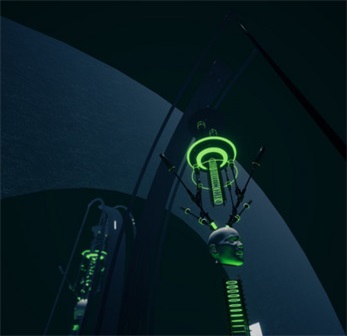
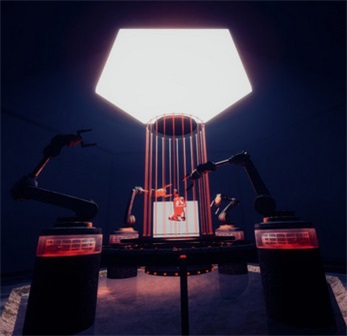
Museum of Post-Civilisation представляет собой уникальную архитектуру маяка, символизирующую бесконечность и вечность. Этот нетрадиционный дизайн представляет собой визуальный праздник, погружающий вас в самую суть происходящего. Но внутри этого бесконечного круга находится навязчивое напоминание о смертности, поскольку головы разделенных существ служат пугающим свидетельством последствий игнорирования законов Темного Леса.

Исследуйте Темный Лес

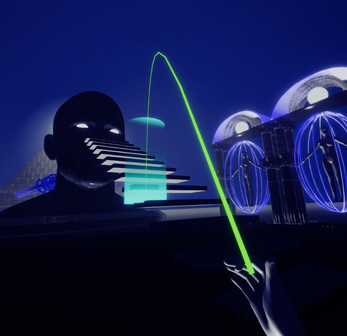
Приложение раскрывает загадочную концепцию Темного леса, ключевого элемента романа. Вы воочию станете свидетелем трагических последствий нарушения этих законов, столкнетесь с неподвижными головами тех, кто осмелился бросить им вызов. Готовы ли вы встретиться лицом к лицу с неизведанным и противостоять высшим цивилизациям?

Особенности Museum of Post-Civilisation:

  • Интерактивный опыт виртуальной реальности: Погрузитесь в мир виртуальной реальности и познакомьтесь с цифровыми инсталляциями, чтобы получить непревзойденный интерактивный и захватывающий опыт.
  • Дань уважения Научно-фантастический роман: Это приложение, вдохновленное популярным научно-фантастическим романом, отдает дань уважения литературному шедевру, позволяя поклонникам исследовать его мир. создает совершенно по-новому.
  • Уникальная архитектура: Нетрадиционная архитектура маяка инсталляции очарует пользователей символическим кольцом, олицетворяющим бесконечность и вечность, что сделает ее визуально ошеломляющим зрелищем.
  • Концепция Тёмного леса: Исследуйте законы Тёмного леса, загадочной концепции, найденной в романе, где нарушение этих законов может иметь трагические последствия. Станьте свидетелем последствий воочию через неподвижные головы разделенных существ.
  • Противостояние с высшей цивилизацией: Возьмите на себя роль лесного охотника, поднявшись по лестнице в небо, которая даст вам прямой путь противостояние с инопланетными существами и высшими цивилизациями. Это интенсивное столкновение предлагает визуальные и гнетущие сенсорные впечатления.
  • Разрушьте цивилизационную иерархию: Станьте одновременно стенобойщиком и разрушителем стен, бросая вызов иерархиям цивилизации. Это приложение позволяет вам исследовать границы и возможности того, что лежит за пределами нашей собственной цивилизации.

Вывод:

Museum of Post-Civilisation — это больше, чем просто виртуальная реальность; это путешествие в самое сердце любимого научно-фантастического романа. Станьте свидетелем уникальной архитектуры инсталляции, изучите интригующую концепцию Dark Forest и столкнитесь с вызовами высших цивилизаций. Загрузите приложение сейчас и отправляйтесь в захватывающее путешествие, которое захватит ваши чувства и заставит жаждать большего.
Museum of Post-Civilisation Скриншот 0
Museum of Post-Civilisation Скриншот 1
Museum of Post-Civilisation Скриншот 2
VR愛好家 Aug 03,2024

没话说,沉浸式体验太棒了!画面精美,故事引人入胜,强烈推荐给喜欢科幻的朋友们!

가상현실매니아 Sep 29,2024

그래픽은 훌륭하지만, 스토리가 조금 어렵습니다. VR 경험 자체는 굉장히 몰입적입니다.

Последние новости
Warhammer 40K Animated Universe: Exploring the Grim Darkness
Warhammer 40,000—commonly known as Warhammer 40K—is a dark, dystopian science fantasy universe created by Games Workshop in 1987. Set in the 41st millennium, it presents a galaxy ravaged by eternal war, ruled by a god-king, and teetering on the edge of annihilation. The setting is often summarized by the famous phrase:

Warhammer 40K Animated Universe: Exploring the Grim Darkness Warhammer 40,000—commonly known as Warhammer 40K—is a dark, dystopian science fantasy universe created by Games Workshop in 1987. Set in the 41st millennium, it presents a galaxy ravaged by eternal war, ruled by a god-king, and teetering on the edge of annihilation. The setting is often summarized by the famous phrase: "In the grim darkness of the far future, there is only war." While Warhammer 40K has long been dominated by tabletop wargaming, novels, and miniatures, a growing interest in animated adaptations has sparked dreams of a full-fledged animated universe. Here’s a deep dive into what such a Warhammer 40K Animated Universe could look like—its tone, themes, potential storylines, and why it's both a challenge and a triumph waiting to happen. 🌌 The Tone: A Grim, Gritty, and Mythic Canvas The animated version would not be a superhero saga or a space opera with happy endings. It would be visceral, brutal, and philosophical, blending: Cinematic grandeur (think Dune meets Blade Runner meets Mad Max: Fury Road). Religious fanaticism and cosmic horror (Lovecraftian elements fused with Catholic iconography and Nazi aesthetics). Existential dread and the futility of resistance against an all-consuming fate. Every frame would be saturated in shadow, rust, blood, and fire. The camera would glide over war-torn cities, bone-choked battlefields, and the endless corridors of a dying Imperium. 🐉 Key Factions (Animated Series Explorations) Each major faction could be the focus of a standalone animated series or arc within a larger anthology: 1. The Imperium of Man – The Emperor’s Shadow Tone: Epic tragedy, political intrigue, religious zeal. Plot: Follow a young Imperial Guard officer who discovers a secret heresy within the Ecclesiarchy. As the Emperor’s inhuman rule is revealed through fragmented visions, he must choose between blind obedience and revolution. Visual Style: Baroque grandeur meets industrial decay—massive cathedral-like warships, chanting legions, and stained-glass windows made of alien skulls. 2. Space Marines – Blood and Iron Tone: Heroic tragedy, brotherhood, and madness. Plot: A chapter of Primaris Space Marines is sent to a rogue world to reclaim a lost planet. As they battle daemons, traitors, and their own deteriorating sanity, they confront the truth: the Emperor may have been a false god. Visual Style: Hyper-detailed armor, slow-motion combat, and bursts of psychic flame. Think 300 meets Children of Dune, but with more chains, bolts, and screaming. 3. Orks – War-Born: The Green Tide Tone: Chaotic, absurd, yet oddly poetic. Plot: An Ork WAAAGH! erupts across a dying galaxy, not from malice—but from a strange, psychic force that draws them together in a final, unstoppable surge. A single Ork boy with "weird" instincts becomes the unlikely prophet of this chaotic apocalypse. Visual Style: Vibrant colors, stop-motion textures, and surreal dream logic. Imagine Mortal Kombat meets The NeverEnding Story in a world where everything is made of scrap metal and rage. 4. Chaos – The Screaming Void Tone: Psychological horror, body horror, and mythic descent. Plot: A traitor Warmaster, once a hero, is consumed by Chaos. His descent into madness is told through fragmented dream sequences, where he battles his past self, his dead comrades, and the daemonic gods that whisper in his blood. Visual Style: Surreal landscapes, melting faces, and time-reversing battles. Inspired by Pan’s Labyrinth, The Thing, and Jacob’s Ladder. 5. Tyranids – The Hive Mind’s Hunger Tone: Cosmic horror, inevitability, existential terror. Plot: An alien hive mind that consumes entire planets, not out of hatred, but because it must. Through the eyes of a single xenos scout (a captured human or a dying Genestealer), we witness the Hive Mind not as evil—but as a natural force, like a storm. Visual Style: Organic grotesquerie, pulsating flesh, biomechanical designs, and overwhelming scale. Think Annihilation meets Alien. 6. Eldar – The Weave of Fate Tone: Tragedy, beauty, and decay. Plot: A reclusive Eldar Farseer, cursed by the Weave, tries to stop a vision of the galaxy’s end. But every action she takes only accelerates the apocalypse. The Eldar are not gods—they are ghosts of a dead future. Visual Style: Ethereal lighting, ancient ruins, and haunting music. A melancholy ballet of beauty and destruction. 🎮 Why an Animated Universe Makes Sense Visual Flexibility: 40K is built for animation. The grotesque, the alien, the godlike—all are visual feast. Animation can realize impossible machines, psychic battles, and daemonic horrors that live beyond live-action budgets. Narrative Freedom: Unlike live-action, animation can leap across time and space, flash between multiple timelines, and depict the sheer scale of a galaxy at war. Global Appeal: Animated series can reach younger audiences (with age-rated content) and adult fans alike—like Star Wars: The Clone Wars or The Witcher. 🎥 Potential Animated Series: "The 41st Century Cycle" A multi-season animated anthology series, each season focusing on a different faction, with crossover events. Season 1: The Emperor’s Shadow – Imperium Season 2: WAAAGH! – The Green Tide – Orks Season 3: The Screaming Void – Chaos Season 4: Hive Mind’s Hunger – Tyranids Season 5: The Weave of Fate – Eldar Season 6: The Last Crusade – Crossover finale. The galaxy burns. The Emperor is dead. The Imperium fractures. The Orks rise. The Chaos Gods howl. The Tyranids descend. Only one force remains: the Adeptus Mechanicus, seeking to rebuild the galaxy from the ashes. 🔥 Challenges and Controversies Tone: Balancing grimness with storytelling appeal. Too much darkness may alienate viewers; too much hope undermines the core theme. Fan Backlash: Purists may object to animation over traditional miniatures or novels. Censorship: The extreme violence, gore, and disturbing imagery may require heavy editing for global distribution. But if handled with care—by visionary creators like Denis Villeneuve, Juanjo Guarnido (The Sandman), or David Fincher—the animated 40K universe could become a landmark in genre storytelling. ✨ Final Thought: The Grim Darkness as Art Warhammer 40K is more than war. It's a mythos about humanity’s hubris, the illusion of order, and the eternal struggle against oblivion. An animated universe could turn that grim darkness into something transcendent—a dark symphony of war, faith, and despair, where every explosion is a prayer, and every death a testament to a universe that refuses to end. "Not in war, but in the stillness between bullets, do we find truth." — Anonymous, 41st Millennium 🔔 Will it happen? Not yet. But with the success of Dune: Part Two, The Wheel of Time, and The Lord of the Rings: The Rings of Power, the timing may be right. The Grim Darkness is waiting... And animation may finally give it a voice. 🎬 Stay in the shadows. The war has only just begun.

It seems there might be some confusion or a mix-up in the title you've provided:

It seems there might be some confusion or a mix-up in the title you've provided: "Barbarian's Gillett to Helm Resident Evil Reboot". Let's break it down and clarify. 1. "Barbarian's Gillett" There is no known character named "Barbarian's Gillett" in any official Resident Evil (Biohazard) franchise. "Gillett" may be a misspelling or confusion with Barry Burton, a long-time character in the Resident Evil series (especially in the mainline games and the Netflix series). Alternatively, "Gillett" might be a reference to a lesser-known or fan-made character, but it does not appear in any official Resident Evil canon. 2. "Helm" "Helm" is not a known character in the Resident Evil universe. However, "Helm" could be a misremembered name — perhaps you meant "Helm" as in "Helm of the Umbrella Corporation"? But that’s not a canonical figure either. Another possibility: "Helm" might be a reference to Dr. William Birkin, who was involved in the creation of the T-Virus, but he’s not called Helm. 3. "Resident Evil Reboot" The term "reboot" could refer to the 2002 Resident Evil film (also known as Resident Evil: The Uprising) or more likely, the 2015 reboot film directed by M. J. Bassett, which reimagined the story with a new cast and darker tone. The 2015 reboot film did feature a different version of Chris Redfield, played by Mandy Moore (though she was actually the second lead, not the main). Wait — correction: the 2015 Resident Evil reboot film, titled Resident Evil: Welcome to Raccoon City, stars Lauren Cohan as Alice (though Alice is a major character from the 2002–2007 film series), and Humble B., not a "Gillett" or "Helm." Possible Clarifications: If you meant Barry Burton (a veteran of the S.T.A.R.S. team), he was portrayed in the 2002 film and later in the Netflix series Resident Evil (2022), where he’s played by Paul Weller. If you’re referring to a fan theory, fan fiction, or a parody, then "Barbarian's Gillett to Helm" might be a creative or humorous title — but not from official media. Conclusion: There is no official character named "Barbarian's Gillett" or "Helm" in the Resident Evil universe. The title you mentioned does not correspond to any real event, character, or reboot in the franchise. If you meant: Barry Burton → Yes, a canon character. The 2015 reboot film → Yes, it's a reboot, but no "Gillett" or "Helm" in it. A fan-made story or concept → Possibly, but not part of official lore. Let me know if you’d like help finding a character you’re thinking of, or if you meant a different name (e.g., "Gilbert", "Birkin", "Helm", "Hawke", etc.).