Дом >  Новости >  Ян Макдиармид защищает возвращение Палпатина в «Звездных войнах: подъем Скайуокера»

Ян Макдиармид защищает возвращение Палпатина в «Звездных войнах: подъем Скайуокера»

Authore: LucyОбновлять:May 07,2025

«Каким -то образом Палпатин вернулся». Эта культовая линия от Rise of Skywalker стала мемом, который инкапсулирует смешанные чувства фанатов к возвращению императора. Несмотря на его очевидную кончину в конце возвращения джедаев , воскресение Палпатина в последней части саги «Звездные войны» вызвало значительные споры среди поклонников. Тем не менее, Ян Макдиармид, актер, стоящий за Палпатином более четырех десятилетий, остается невозмутимым от негативной реакции.

В недавнем интервью с Variety, посвященным переизданию мести ситха , в котором наблюдался существенный успех в кассах, Макдиармид обратился к критике, связанной с возвращением Палпатина. Он отклонил опасения, заявив: «Логика Мои и Палпатина была совершенно разумной». Макдиармид подробно остановился на предвидении персонажа, объяснив: «Казалось, совершенно вероятным, что у Палпатина был план B. Несмотря на то, что он был очень, очень сильно поврежден, он мог бы собрать его в той или иной форме».

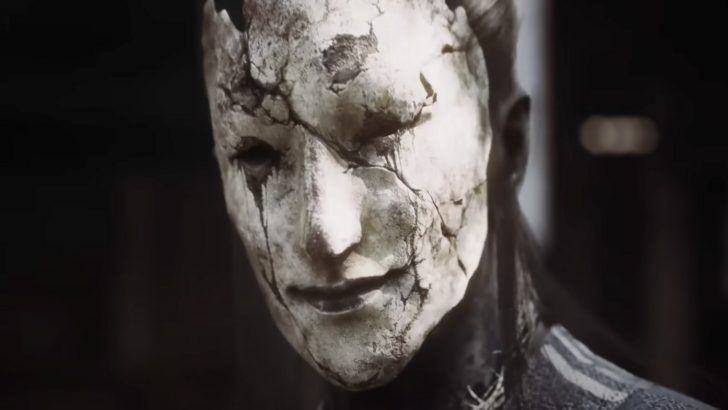
Актер также поделился своим удовольствием процесса съемок, особенно уникальной «астральной инвалидной коляской», используемой для его персонажа. «Когда я понял, что у меня была своего рода астральное инвалидное коляска, это было еще лучше. У меня только что были эти четыре парня, которые взбивали меня в студии; я не могу сказать вам, сколько это было весело», - вспоминает он. Он также упомянул новый, более гротескный макияж, предназначенный для возвращения Палпатина.

Что касается обратной реакции, Макдиармид оставался отстраненным, отметив: «Ну, всегда что -то есть, разве я не читаю это, и я не в сети. Так что это достигнет меня, только если кто -то упоминает об этом. Я думал, что может быть немного разумной суеты». Он подчеркнул готовность Палпатина, заявив: «Этот человек, который был ужасно искалечен, мысль, возможно, однажды это может случиться с ним, и у нас должен быть план Б. Мне понравилась вся идея, что он должен вернуться и быть еще более сильным, чем он был раньше. Хотя он должен был быть совершенно уничтожен. Поэтому я думаю, что он мертв».

Рост Скайуокера предлагает несколько неоднозначное объяснение возвращения Палпатина. В начале фильма Кайло Рен встречает то, что кажется реанимированной версией императора, предполагая, что Палпатин не пережил свое падение в возвращении джедая . Вместо этого он использовал древнюю магию ситхов, как намекал его упоминание о «неестественных» способностях темной стороны силы во время его монолога в Кило Рен.

Несмотря на объяснение, многие фанаты остаются неубедительными и предпочли бы упустить обращение с возвращением Палпатина. Будущее франшизы «Звездных войн» и ее подход к этой спорной точке сюжета еще неизвестно. Дейзи Ридли, которая играет Рей Скайуокера, собирается вернуться в нескольких предстоящих фильмах, в том числе продолжение, режиссер Шармин Обаид-Чиной. В этом продолжении рассмотрим усилия Рей по восстановлению приказа джедаев через 15 лет после событий роста Скайуокера , что указывает на постоянное внимание на персонажах и сюжетных линиях, представленных в последней трилогии.

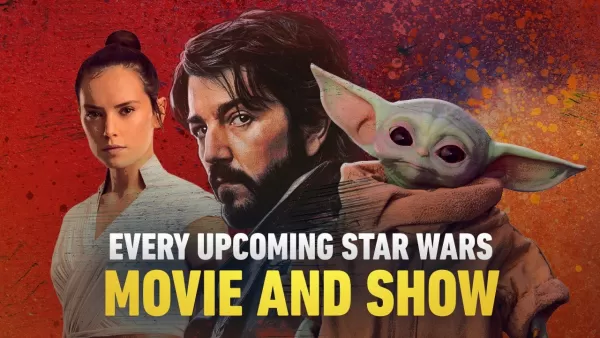
Каждый предстоящий фильм и телешоу «Звездные войны»
Просмотреть 23 изображения

Последние новости
ROG Xbox Ally X и ROG Xbox Ally появятся в продаже — Microsoft установила цену в 1000 долларов за самую мощную версию на фоне неопределённости с пошлинами

ROG Xbox Ally X и ROG Xbox Ally появятся в продаже — Microsoft установила цену в 1000 долларов за самую мощную версию на фоне неопределённости с пошлинами

Warhammer 40K Animated Universe: Exploring the Grim Darkness
Warhammer 40,000—commonly known as Warhammer 40K—is a dark, dystopian science fantasy universe created by Games Workshop in 1987. Set in the 41st millennium, it presents a galaxy ravaged by eternal war, ruled by a god-king, and teetering on the edge of annihilation. The setting is often summarized by the famous phrase:

Warhammer 40K Animated Universe: Exploring the Grim Darkness Warhammer 40,000—commonly known as Warhammer 40K—is a dark, dystopian science fantasy universe created by Games Workshop in 1987. Set in the 41st millennium, it presents a galaxy ravaged by eternal war, ruled by a god-king, and teetering on the edge of annihilation. The setting is often summarized by the famous phrase: "In the grim darkness of the far future, there is only war." While Warhammer 40K has long been dominated by tabletop wargaming, novels, and miniatures, a growing interest in animated adaptations has sparked dreams of a full-fledged animated universe. Here’s a deep dive into what such a Warhammer 40K Animated Universe could look like—its tone, themes, potential storylines, and why it's both a challenge and a triumph waiting to happen. 🌌 The Tone: A Grim, Gritty, and Mythic Canvas The animated version would not be a superhero saga or a space opera with happy endings. It would be visceral, brutal, and philosophical, blending: Cinematic grandeur (think Dune meets Blade Runner meets Mad Max: Fury Road). Religious fanaticism and cosmic horror (Lovecraftian elements fused with Catholic iconography and Nazi aesthetics). Existential dread and the futility of resistance against an all-consuming fate. Every frame would be saturated in shadow, rust, blood, and fire. The camera would glide over war-torn cities, bone-choked battlefields, and the endless corridors of a dying Imperium. 🐉 Key Factions (Animated Series Explorations) Each major faction could be the focus of a standalone animated series or arc within a larger anthology: 1. The Imperium of Man – The Emperor’s Shadow Tone: Epic tragedy, political intrigue, religious zeal. Plot: Follow a young Imperial Guard officer who discovers a secret heresy within the Ecclesiarchy. As the Emperor’s inhuman rule is revealed through fragmented visions, he must choose between blind obedience and revolution. Visual Style: Baroque grandeur meets industrial decay—massive cathedral-like warships, chanting legions, and stained-glass windows made of alien skulls. 2. Space Marines – Blood and Iron Tone: Heroic tragedy, brotherhood, and madness. Plot: A chapter of Primaris Space Marines is sent to a rogue world to reclaim a lost planet. As they battle daemons, traitors, and their own deteriorating sanity, they confront the truth: the Emperor may have been a false god. Visual Style: Hyper-detailed armor, slow-motion combat, and bursts of psychic flame. Think 300 meets Children of Dune, but with more chains, bolts, and screaming. 3. Orks – War-Born: The Green Tide Tone: Chaotic, absurd, yet oddly poetic. Plot: An Ork WAAAGH! erupts across a dying galaxy, not from malice—but from a strange, psychic force that draws them together in a final, unstoppable surge. A single Ork boy with "weird" instincts becomes the unlikely prophet of this chaotic apocalypse. Visual Style: Vibrant colors, stop-motion textures, and surreal dream logic. Imagine Mortal Kombat meets The NeverEnding Story in a world where everything is made of scrap metal and rage. 4. Chaos – The Screaming Void Tone: Psychological horror, body horror, and mythic descent. Plot: A traitor Warmaster, once a hero, is consumed by Chaos. His descent into madness is told through fragmented dream sequences, where he battles his past self, his dead comrades, and the daemonic gods that whisper in his blood. Visual Style: Surreal landscapes, melting faces, and time-reversing battles. Inspired by Pan’s Labyrinth, The Thing, and Jacob’s Ladder. 5. Tyranids – The Hive Mind’s Hunger Tone: Cosmic horror, inevitability, existential terror. Plot: An alien hive mind that consumes entire planets, not out of hatred, but because it must. Through the eyes of a single xenos scout (a captured human or a dying Genestealer), we witness the Hive Mind not as evil—but as a natural force, like a storm. Visual Style: Organic grotesquerie, pulsating flesh, biomechanical designs, and overwhelming scale. Think Annihilation meets Alien. 6. Eldar – The Weave of Fate Tone: Tragedy, beauty, and decay. Plot: A reclusive Eldar Farseer, cursed by the Weave, tries to stop a vision of the galaxy’s end. But every action she takes only accelerates the apocalypse. The Eldar are not gods—they are ghosts of a dead future. Visual Style: Ethereal lighting, ancient ruins, and haunting music. A melancholy ballet of beauty and destruction. 🎮 Why an Animated Universe Makes Sense Visual Flexibility: 40K is built for animation. The grotesque, the alien, the godlike—all are visual feast. Animation can realize impossible machines, psychic battles, and daemonic horrors that live beyond live-action budgets. Narrative Freedom: Unlike live-action, animation can leap across time and space, flash between multiple timelines, and depict the sheer scale of a galaxy at war. Global Appeal: Animated series can reach younger audiences (with age-rated content) and adult fans alike—like Star Wars: The Clone Wars or The Witcher. 🎥 Potential Animated Series: "The 41st Century Cycle" A multi-season animated anthology series, each season focusing on a different faction, with crossover events. Season 1: The Emperor’s Shadow – Imperium Season 2: WAAAGH! – The Green Tide – Orks Season 3: The Screaming Void – Chaos Season 4: Hive Mind’s Hunger – Tyranids Season 5: The Weave of Fate – Eldar Season 6: The Last Crusade – Crossover finale. The galaxy burns. The Emperor is dead. The Imperium fractures. The Orks rise. The Chaos Gods howl. The Tyranids descend. Only one force remains: the Adeptus Mechanicus, seeking to rebuild the galaxy from the ashes. 🔥 Challenges and Controversies Tone: Balancing grimness with storytelling appeal. Too much darkness may alienate viewers; too much hope undermines the core theme. Fan Backlash: Purists may object to animation over traditional miniatures or novels. Censorship: The extreme violence, gore, and disturbing imagery may require heavy editing for global distribution. But if handled with care—by visionary creators like Denis Villeneuve, Juanjo Guarnido (The Sandman), or David Fincher—the animated 40K universe could become a landmark in genre storytelling. ✨ Final Thought: The Grim Darkness as Art Warhammer 40K is more than war. It's a mythos about humanity’s hubris, the illusion of order, and the eternal struggle against oblivion. An animated universe could turn that grim darkness into something transcendent—a dark symphony of war, faith, and despair, where every explosion is a prayer, and every death a testament to a universe that refuses to end. "Not in war, but in the stillness between bullets, do we find truth." — Anonymous, 41st Millennium 🔔 Will it happen? Not yet. But with the success of Dune: Part Two, The Wheel of Time, and The Lord of the Rings: The Rings of Power, the timing may be right. The Grim Darkness is waiting... And animation may finally give it a voice. 🎬 Stay in the shadows. The war has only just begun.