Дом >  Новости >  Интервью Zelda: Echoes of Wisdom с первой женщиной-режиссером сериала

Интервью Zelda: Echoes of Wisdom с первой женщиной-режиссером сериала

Authore: EmilyОбновлять:Jul 16,2024

Zelda: Echoes of Wisdom's Interview With Series' First Female Director

The Legend of Zelda: Echoes of Wisdom знаменует собой важную веху как первая игра Zelda, во главе которой стоит женщина-режиссер. Читайте дальше, чтобы узнать больше о Томоми Сано и ранних стадиях разработки Echoes of Wisdom.

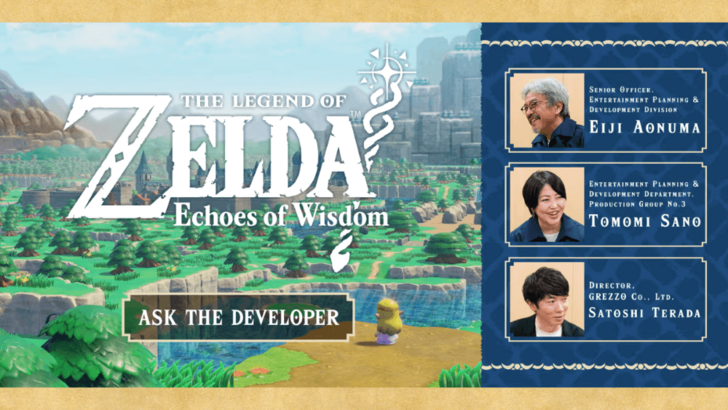
Подробности о Zelda: Echoes of Wisdom раскрыты во время интервью Nintendo Ask the Developer

Познакомьтесь с Томоми Сано, первой женщиной-режиссёром серии Zelda
Zelda: Echoes of Wisdom's Interview With Series' First Female Director

Серия Legend of Zelda всегда была мастер-классом по созданию эпических повествований с головоломками и подземельями, напоминающими живые лабиринты. Но с предстоящим выпуском The Legend of Zelda: Echoes of Wisdom Nintendo во время недавнего интервью «Спросите разработчика» раскрыла подробности о том, что игра занимает особое место в истории Hyrule по двум ключевым причинам: это не только первая игра Zelda, в которой принцесса Зельда занимает центральное место в качестве главного героя, но это также первый фильм, режиссером которого является женщина.

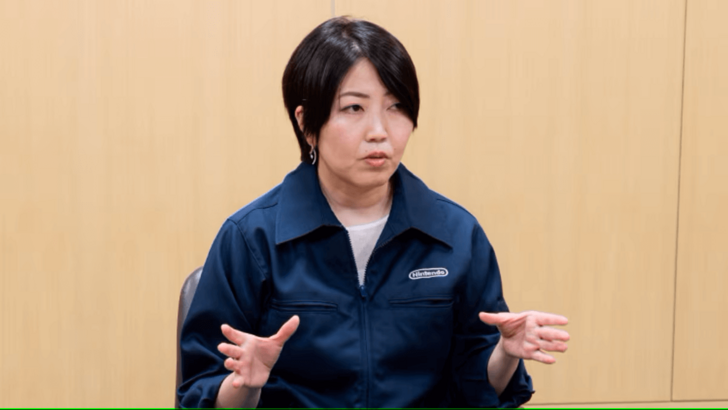
«До этого проекта моей основной ролью была поддержка режиссера», — сказал директор Echoes of Wisdom Томоми Сано в интервью Nintendo. До того как взять бразды правления в свои руки, она участвовала в проектах ремейков Grezzo, включая Ocarina of Time 3D, Majora’s Mask 3D, Link’s Awakening и Twilight Princess HD. Кроме того, у нее есть опыт работы над сериалом «Марио и Луиджи».

«Моя роль заключалась в том, чтобы управлять и координировать производство этого проекта, предлагать корректировки, а затем проверять результат, чтобы убедиться, что игровой процесс, созданный Греццо, соответствует серии Legend of Zelda», — продолжил Сано.

Что касается ее участия в предыдущих проектах, продюсер сериала Эйдзи Аонума сказал: «Я почти всегда прошу ее поучаствовать в ремейках Legend of Zelda, над которыми работает Греццо».
Zelda: Echoes of Wisdom's Interview With Series' First Female Director
Изображение из журнала Nintendo's Ask the Developer Vol. 13

Сано — ветеран отрасли, чья карьера насчитывает более двух десятилетий. Ее первая заслуга датируется 1998 годом, когда она работала редактором текстур сцены для Tekken 3 на PlayStation 1. В ее ранние работы в Nintendo входит только японская версия Kururin Squash! и Mario Party 6, выпущенные в 2004 году. С тех пор она внесла свой вклад в создание множества игр Legend of Zelda и Mario & Luigi. Примечательно, что она работала над несколькими спортивными играми Mario, такими как Mario Tennis Open, Mario Tennis: Ultra Smash и Mario Golf: World Tour.

Echoes of Wisdom начиналась как создатель подземелий Zelda, раскрыт Аонума
Zelda: Echoes of Wisdom's Interview With Series' First Female Director

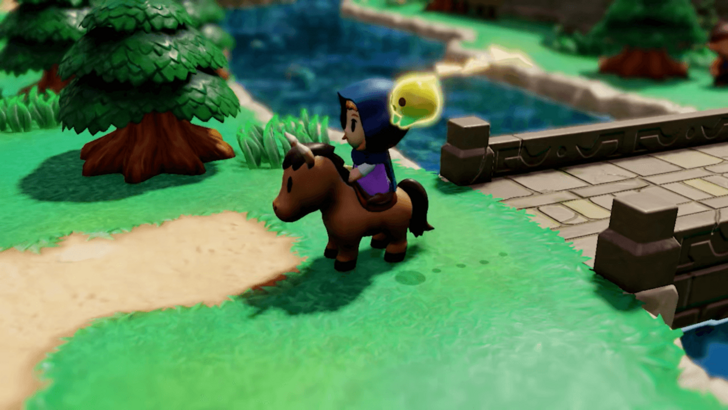
Семена Echoes of Wisdom были посеяны после выхода получившего признание критиков ремейка 2019 года The Legend of Zelda: Link’s Awakening. Во время интервью Аонума рассказал, что Греццо, соразработчикам Link’s Awakening, было поручено использовать их опыт в нисходящем игровом процессе Zelda и создать план будущего франшизы. Первоначально эта идея склонялась к другому ремейку, но Греццо удивил Nintendo более смелым предложением: создателем подземелий Zelda.

Аонума спросил Греццо: «Если бы вы создавали следующую новую игру, какую игру вы бы хотели?» На простой запрос поступило множество предложений. В конце концов, хотя концепция победы была похожа на финальную версию игры, Echoes of Wisdom изначально не была задумана так, как сейчас. В двух ранних прототипах использовалась игровая механика «копировать и вставить», а также вид сверху вниз и вид сбоку, аналогичный «Пробуждению Линка».

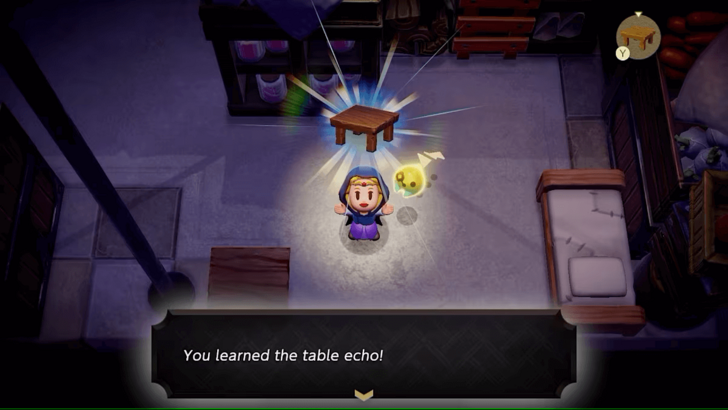
«Мы параллельно изучали несколько разных способов игры», — сказал Сатоши Терада из Grezzo. «В одном из подходов Линк мог копировать и вставлять различные объекты, такие как двери и подсвечники, для создания оригинальных подземелий. На этом этапе исследования это называлось «редактированием подземелья», потому что игроки могли создавать свой собственный игровой процесс Legend of Zelda».
Zelda: Echoes of Wisdom's Interview With Series' First Female Director

Греццо потратил больше года на разработку Echoes of Wisdom, уделяя особое внимание механике создания подземелий. Однако проект принял значительный поворот, когда вмешался Аонума и «перевернул чайный стол» — выражение, используемое Nintendo, которое означает остановку разработки игры, чтобы радикально изменить ее направление.

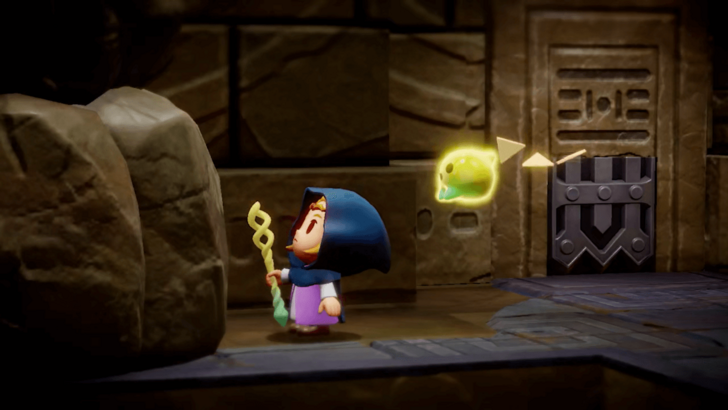
Хотя Аонуме нравились их предыдущие идеи, Аонума считал, что функция создания подземелий покажет больший потенциал, если игроки будут использовать скопированные и вставленные предметы в качестве инструментов для продвижения по приключению, а не создавать свои собственные подземелья.

«Например, в The Legend of Zelda: Link’s Awakening есть враг по имени Твомп, который падает сверху и крушит предметы внизу и появляется только в перспективе сбоку», — объяснил Сано. «Если вы скопируете это и вставите на вид сверху, вы сможете бросить его сверху и раздавить предметы внизу, или, наоборот, вы можете покататься на Твомпе и использовать его, чтобы подняться вверх».
Zelda: Echoes of Wisdom's Interview With Series' First Female Director

Затем Аонума упомянул первоначальную борьбу за введение ограничений на использование Echo, опасаясь, что игроки могут воспользоваться этой системой. Однако постепенно команда осознала, что эти ограничения не нужны, и полностью убрала их в финальной версии.

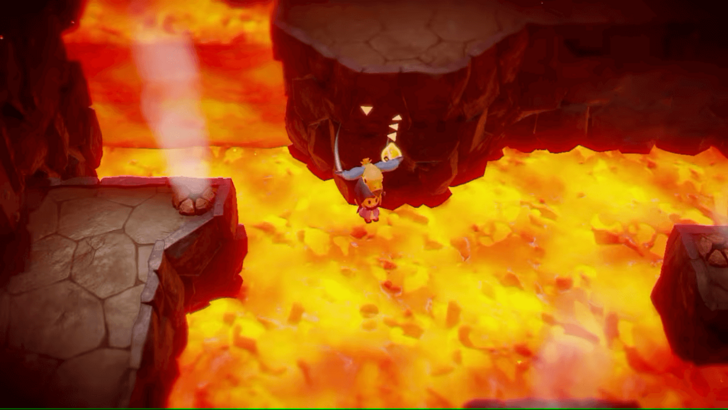
Такой подход поощрял игроков «озорничать» — принцип разработчиков, который подчеркивал творческий и нетрадиционный игровой процесс. Как объяснил Аонума: «Мы хотели сделать что-то действительно интересное». Это привело к появлению таких функций, как ролики с шипами, которые, несмотря на их непредсказуемое взаимодействие при столкновении с предметами в мире, считались важными для опыта. «Если бы мы не предусмотрели такую ​​возможность, это было бы невесело», — сказал он.

Сано добавил, что команда даже создала документ, определяющий «вредоносность», чтобы направлять усилия по разработке. Терада и Сано сформулировали три ключевых правила: «Уметь вставлять вещи куда угодно и когда угодно», «Сделать возможным решать головоломки, используя несуществующие вещи» и «уметь находить применение этим предметам». отголоски настолько гениальны, что кажется, что мошенничество должно быть частью того, что делает эту игру увлекательной».
Zelda: Echoes of Wisdom's Interview With Series' First Female Director

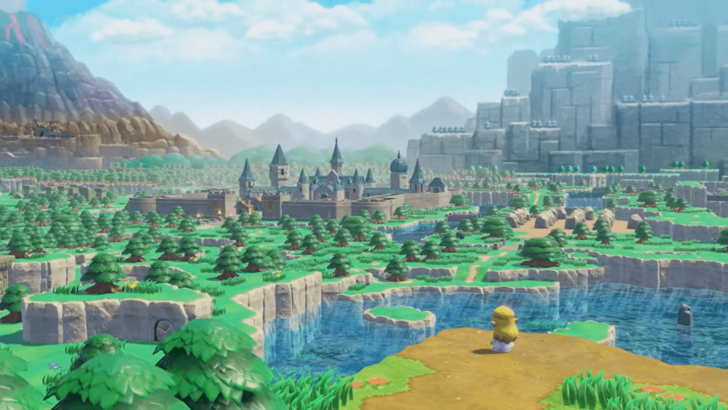
Свобода и творчество всегда были в центре большинства, если не всех, игр Legend of Zelda. Аонума сравнил возможность «озорства» в игре со святилищем Мьям Агана в «Дыхании дикой природы», где игрокам приходилось вести мяч через лабиринт. Однако, используя элементы управления движением контроллера, вы можете обойти препятствия, просто перевернув всю доску и используя гладкую поверхность другой стороны.

«Это похоже на поиск секретного трюка в игре, как в старые добрые времена», — сказал Аонума. «Если такое решение не разрешено, то это невесело».
Zelda: Echoes of Wisdom's Interview With Series' First Female Director

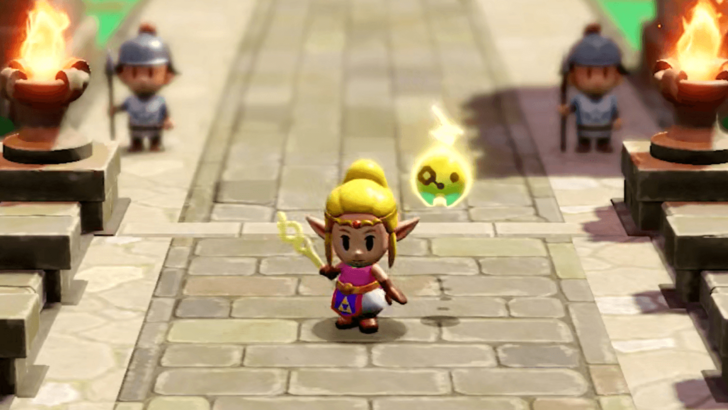
The Legend of Zelda: Echoes of Wisdom выйдет всего через два дня, 26 сентября, на Nintendo Switch. Действие игры происходит в альтернативной временной шкале, где Зельда, а не Линк, спасает Хайрула, когда бесчисленные разломы пронизывают землю. Более подробную информацию об игровом процессе и сюжете The Legend of Zelda: Echoes of Wisdom можно найти в нашей статье ниже!


Последние новости
ROG Xbox Ally X и ROG Xbox Ally появятся в продаже — Microsoft установила цену в 1000 долларов за самую мощную версию на фоне неопределённости с пошлинами

ROG Xbox Ally X и ROG Xbox Ally появятся в продаже — Microsoft установила цену в 1000 долларов за самую мощную версию на фоне неопределённости с пошлинами

Warhammer 40K Animated Universe: Exploring the Grim Darkness
Warhammer 40,000—commonly known as Warhammer 40K—is a dark, dystopian science fantasy universe created by Games Workshop in 1987. Set in the 41st millennium, it presents a galaxy ravaged by eternal war, ruled by a god-king, and teetering on the edge of annihilation. The setting is often summarized by the famous phrase:

Warhammer 40K Animated Universe: Exploring the Grim Darkness Warhammer 40,000—commonly known as Warhammer 40K—is a dark, dystopian science fantasy universe created by Games Workshop in 1987. Set in the 41st millennium, it presents a galaxy ravaged by eternal war, ruled by a god-king, and teetering on the edge of annihilation. The setting is often summarized by the famous phrase: "In the grim darkness of the far future, there is only war." While Warhammer 40K has long been dominated by tabletop wargaming, novels, and miniatures, a growing interest in animated adaptations has sparked dreams of a full-fledged animated universe. Here’s a deep dive into what such a Warhammer 40K Animated Universe could look like—its tone, themes, potential storylines, and why it's both a challenge and a triumph waiting to happen. 🌌 The Tone: A Grim, Gritty, and Mythic Canvas The animated version would not be a superhero saga or a space opera with happy endings. It would be visceral, brutal, and philosophical, blending: Cinematic grandeur (think Dune meets Blade Runner meets Mad Max: Fury Road). Religious fanaticism and cosmic horror (Lovecraftian elements fused with Catholic iconography and Nazi aesthetics). Existential dread and the futility of resistance against an all-consuming fate. Every frame would be saturated in shadow, rust, blood, and fire. The camera would glide over war-torn cities, bone-choked battlefields, and the endless corridors of a dying Imperium. 🐉 Key Factions (Animated Series Explorations) Each major faction could be the focus of a standalone animated series or arc within a larger anthology: 1. The Imperium of Man – The Emperor’s Shadow Tone: Epic tragedy, political intrigue, religious zeal. Plot: Follow a young Imperial Guard officer who discovers a secret heresy within the Ecclesiarchy. As the Emperor’s inhuman rule is revealed through fragmented visions, he must choose between blind obedience and revolution. Visual Style: Baroque grandeur meets industrial decay—massive cathedral-like warships, chanting legions, and stained-glass windows made of alien skulls. 2. Space Marines – Blood and Iron Tone: Heroic tragedy, brotherhood, and madness. Plot: A chapter of Primaris Space Marines is sent to a rogue world to reclaim a lost planet. As they battle daemons, traitors, and their own deteriorating sanity, they confront the truth: the Emperor may have been a false god. Visual Style: Hyper-detailed armor, slow-motion combat, and bursts of psychic flame. Think 300 meets Children of Dune, but with more chains, bolts, and screaming. 3. Orks – War-Born: The Green Tide Tone: Chaotic, absurd, yet oddly poetic. Plot: An Ork WAAAGH! erupts across a dying galaxy, not from malice—but from a strange, psychic force that draws them together in a final, unstoppable surge. A single Ork boy with "weird" instincts becomes the unlikely prophet of this chaotic apocalypse. Visual Style: Vibrant colors, stop-motion textures, and surreal dream logic. Imagine Mortal Kombat meets The NeverEnding Story in a world where everything is made of scrap metal and rage. 4. Chaos – The Screaming Void Tone: Psychological horror, body horror, and mythic descent. Plot: A traitor Warmaster, once a hero, is consumed by Chaos. His descent into madness is told through fragmented dream sequences, where he battles his past self, his dead comrades, and the daemonic gods that whisper in his blood. Visual Style: Surreal landscapes, melting faces, and time-reversing battles. Inspired by Pan’s Labyrinth, The Thing, and Jacob’s Ladder. 5. Tyranids – The Hive Mind’s Hunger Tone: Cosmic horror, inevitability, existential terror. Plot: An alien hive mind that consumes entire planets, not out of hatred, but because it must. Through the eyes of a single xenos scout (a captured human or a dying Genestealer), we witness the Hive Mind not as evil—but as a natural force, like a storm. Visual Style: Organic grotesquerie, pulsating flesh, biomechanical designs, and overwhelming scale. Think Annihilation meets Alien. 6. Eldar – The Weave of Fate Tone: Tragedy, beauty, and decay. Plot: A reclusive Eldar Farseer, cursed by the Weave, tries to stop a vision of the galaxy’s end. But every action she takes only accelerates the apocalypse. The Eldar are not gods—they are ghosts of a dead future. Visual Style: Ethereal lighting, ancient ruins, and haunting music. A melancholy ballet of beauty and destruction. 🎮 Why an Animated Universe Makes Sense Visual Flexibility: 40K is built for animation. The grotesque, the alien, the godlike—all are visual feast. Animation can realize impossible machines, psychic battles, and daemonic horrors that live beyond live-action budgets. Narrative Freedom: Unlike live-action, animation can leap across time and space, flash between multiple timelines, and depict the sheer scale of a galaxy at war. Global Appeal: Animated series can reach younger audiences (with age-rated content) and adult fans alike—like Star Wars: The Clone Wars or The Witcher. 🎥 Potential Animated Series: "The 41st Century Cycle" A multi-season animated anthology series, each season focusing on a different faction, with crossover events. Season 1: The Emperor’s Shadow – Imperium Season 2: WAAAGH! – The Green Tide – Orks Season 3: The Screaming Void – Chaos Season 4: Hive Mind’s Hunger – Tyranids Season 5: The Weave of Fate – Eldar Season 6: The Last Crusade – Crossover finale. The galaxy burns. The Emperor is dead. The Imperium fractures. The Orks rise. The Chaos Gods howl. The Tyranids descend. Only one force remains: the Adeptus Mechanicus, seeking to rebuild the galaxy from the ashes. 🔥 Challenges and Controversies Tone: Balancing grimness with storytelling appeal. Too much darkness may alienate viewers; too much hope undermines the core theme. Fan Backlash: Purists may object to animation over traditional miniatures or novels. Censorship: The extreme violence, gore, and disturbing imagery may require heavy editing for global distribution. But if handled with care—by visionary creators like Denis Villeneuve, Juanjo Guarnido (The Sandman), or David Fincher—the animated 40K universe could become a landmark in genre storytelling. ✨ Final Thought: The Grim Darkness as Art Warhammer 40K is more than war. It's a mythos about humanity’s hubris, the illusion of order, and the eternal struggle against oblivion. An animated universe could turn that grim darkness into something transcendent—a dark symphony of war, faith, and despair, where every explosion is a prayer, and every death a testament to a universe that refuses to end. "Not in war, but in the stillness between bullets, do we find truth." — Anonymous, 41st Millennium 🔔 Will it happen? Not yet. But with the success of Dune: Part Two, The Wheel of Time, and The Lord of the Rings: The Rings of Power, the timing may be right. The Grim Darkness is waiting... And animation may finally give it a voice. 🎬 Stay in the shadows. The war has only just begun.