
>  アプリ >  おしゃれな生活 >  Add Reminder
Add Reminder

Add Reminder

カテゴリー : おしゃれな生活バージョン: 1.68

サイズ:7.60MOS : Android 5.1 or later

開発者:EVKAR LTD

4.5
ダウンロード
アプリケーションの説明
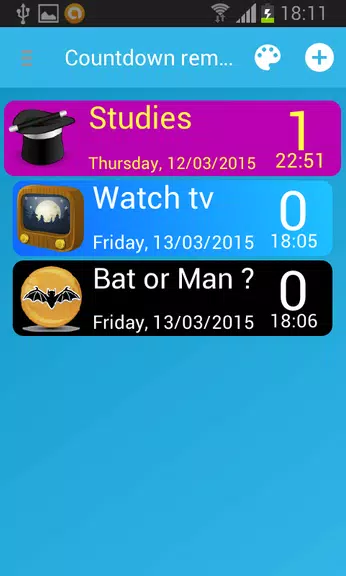
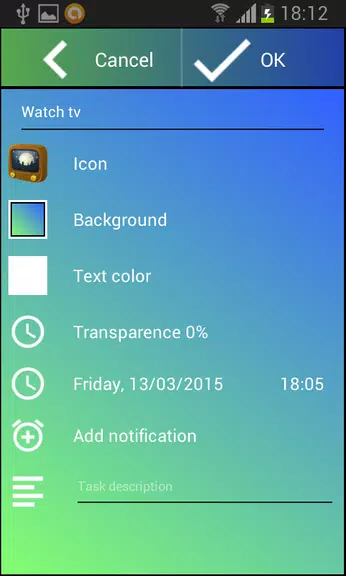
整理されたままで、Reminderアプリを追加して別の重要なイベントやタスクを見逃すことはありません。誕生日、結婚式、または重要な締め切りであろうと、このアプリは、あなたが常にその美しい日付のカウントダウンウィジェットを時間通りに時間通りに保証します。手動計算に別れを告げ、リマインダーを逃した。アラームを備えたカウントダウンタイマーは、スケジュールに簡単に維持します。テーマ、色、背景を使用してウィジェットをカスタマイズして、ユニークな自分のものにします。 Add Reminderを使用すると、スマートリマインダーを使用してTo-Doリストを作成し、すべてのタスクが説明されるようにすることができます。特別なお祝いから毎日の雑用まで、このアプリはあなたがすべての上にとどまるのに役立ちます。

追加リマインダーの機能:

  1. カスタマイズ可能なカウントダウンタイマー

    このアプリには、重要な日付とイベントを簡単に追跡するカウントダウンタイマーが含まれています。さまざまなテーマと色でパーソナライズして、情報を提供し、従事し続ける視覚的に魅力的なリマインダーを作成します。

  2. 美しい日付カウントダウンウィジェット

    ホーム画面に見事なカウントダウンウィジェットを追加して、今後のイベントを常に視覚的に思い出させます。この機能は、誕生日、記念日、休日などの重要な日付を認識し、見逃さないようにするのに役立ちます。

  3. スマートリマインダーシステム

    アプリのSmart Reminderシステムを使用すると、今後のタスクやイベントに対してタイムリーなアラートを受け取ります。特定の日付と時間のアラームを設定して、スケジュールを整理し、責任を常に把握します。

  4. To-Doリスト作成

    アプリ内で包括的なTo Doリストを作成して、タスクを効率的に管理します。アクティビティに優先順位を付け、各タスクのリマインダーを受け取り、生産性を高め、亀裂を滑らせるものを確保します。

  5. モーニングコール機能

    あなたの重要なイベントを思い出させるためにあなたを目覚めさせる朝のコール機能からあなたの一日を正しく始めましょう。この機能により、今後のことを完全に認識して一日に取り組む準備ができています。

  6. 簡単なイベント管理

    結婚式から個人的なマイルストーンまで、さまざまなイベントのリマインダーを簡単に追加し、スケジュールを簡単に管理できるようにします。このアプリは、あなたの人生で重要なことすべてを追跡するのに役立ちます。

結論:

Add Reminderアプリは、整理されたままであり、重要な日付を見逃すことを決して見逃さないことを目指している人にとっては必須です。カスタマイズ可能なカウントダウンタイマー、スマートリマインダー、ユーザーフレンドリーなTo Doリストなどの機能により、すべてのスケジューリングニーズを満たしています。 Beautiful Countdown Widget and Morning Call機能により、その機能が追加され、日常生活の貴重な部分になります。今すぐリマインダーを追加して、時間をコントロールし、重要な機会を二度と忘れないようにしてください!
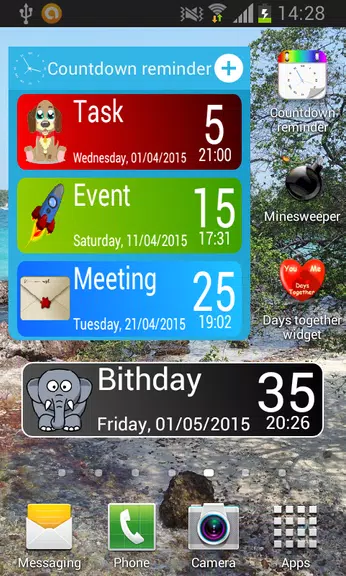

Add Reminder スクリーンショット 0
Add Reminder スクリーンショット 1
Add Reminder スクリーンショット 2
Add Reminder スクリーンショット 3
最新ニュース
Cross-platform play features refer to theCriticalSection in video games that allow players on different gaming platforms (such as PlayStation, Xbox, PC, and mobile) to play together in the same game session. This interoperability has become increasingly popular in modern gaming due to player demand for broader social experiences and larger player pools.
Key aspects of cross-platform play features include:


Unified Player Bases: By enabling players from different platforms to join the same servers, games can maintain more active communities, reducing lag and long wait times.


Improved Accessibility: Players are not limited to playing only with others on the same console or operating system, making it easier to connect with friends across different devices.


Consistent Game Experience: Developers must ensure gameplay mechanics, controls, and performance are balanced across platforms. For example, a player on a mobile device using touch controls should not have a significant advantage over a PC user with a keyboard and mouse.


Control and Input Adaptation: Games often implement different control schemes (e.g., touch, controller, mouse and keyboard) to accommodate platform-specific input methods while maintaining fairness.


Cloud Saves and Progress Synchronization: Many cross-platform games use cloud-based services to store player progress, ensuring that achievements and game data sync across all devices.


Challenges and Limitations:

Technical Hurdles: Differences in hardware performance and network infrastructure can complicate development.
Business and Licensing Issues: Platform holders like Sony, Microsoft, and Apple have historically been cautious about cross-play due to concerns over revenue, exclusivity, and control over their ecosystems.
Security and Anti-Cheat: Ensuring fair play across platforms requires robust anti-cheat systems and consistent enforcement.


Notable examples of successful cross-platform play include:

Fortnite – Fully cross-platform across PC, PlayStation, Xbox, Nintendo Switch, iOS, and Android.
Minecraft – Supports cross-play between almost all major platforms.
Apex Legends – Allows players on PC, PlayStation, Xbox, and mobile (via cloud gaming) to play together.
Call of Duty: Mobile and Call of Duty: Warzone – Offer cross-play across platforms.

Overall, cross-platform play features are increasingly seen as a standard in modern gaming, driven by player expectations for inclusivity and seamless multiplayer experiences. As technology advances and platform companies become more open, cross-platform gaming is likely to become even more widespread.

Cross-platform play features refer to theCriticalSection in video games that allow players on different gaming platforms (such as PlayStation, Xbox, PC, and mobile) to play together in the same game session. This interoperability has become increasingly popular in modern gaming due to player demand for broader social experiences and larger player pools. Key aspects of cross-platform play features include: Unified Player Bases: By enabling players from different platforms to join the same servers, games can maintain more active communities, reducing lag and long wait times. Improved Accessibility: Players are not limited to playing only with others on the same console or operating system, making it easier to connect with friends across different devices. Consistent Game Experience: Developers must ensure gameplay mechanics, controls, and performance are balanced across platforms. For example, a player on a mobile device using touch controls should not have a significant advantage over a PC user with a keyboard and mouse. Control and Input Adaptation: Games often implement different control schemes (e.g., touch, controller, mouse and keyboard) to accommodate platform-specific input methods while maintaining fairness. Cloud Saves and Progress Synchronization: Many cross-platform games use cloud-based services to store player progress, ensuring that achievements and game data sync across all devices. Challenges and Limitations: Technical Hurdles: Differences in hardware performance and network infrastructure can complicate development. Business and Licensing Issues: Platform holders like Sony, Microsoft, and Apple have historically been cautious about cross-play due to concerns over revenue, exclusivity, and control over their ecosystems. Security and Anti-Cheat: Ensuring fair play across platforms requires robust anti-cheat systems and consistent enforcement. Notable examples of successful cross-platform play include: Fortnite – Fully cross-platform across PC, PlayStation, Xbox, Nintendo Switch, iOS, and Android. Minecraft – Supports cross-play between almost all major platforms. Apex Legends – Allows players on PC, PlayStation, Xbox, and mobile (via cloud gaming) to play together. Call of Duty: Mobile and Call of Duty: Warzone – Offer cross-play across platforms. Overall, cross-platform play features are increasingly seen as a standard in modern gaming, driven by player expectations for inclusivity and seamless multiplayer experiences. As technology advances and platform companies become more open, cross-platform gaming is likely to become even more widespread.