
>  アプリ >  おしゃれな生活 >  Dinabang
Dinabang

Dinabang

カテゴリー : おしゃれな生活バージョン: 5.8.3

サイズ:42.80MOS : Android 5.1 or later

開発者:MOVI Ingeniería

4.5
ダウンロード
アプリケーションの説明

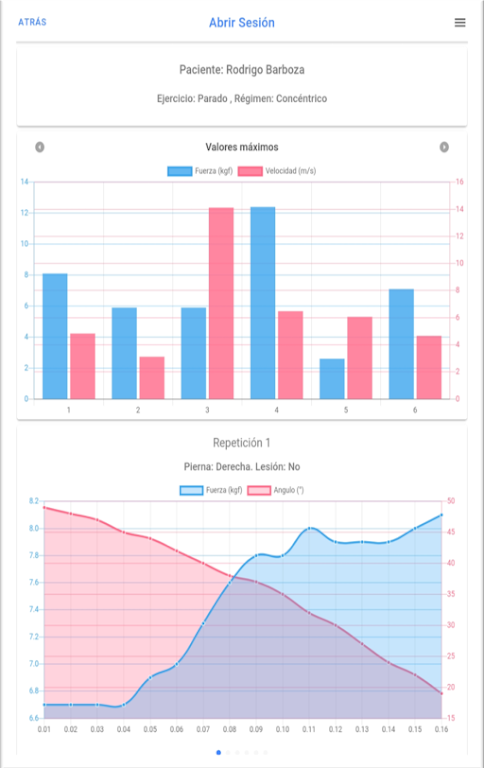
Dinabangは、運動ルーチンを監視および強化する方法を変える革新的なアプリです。このコンパクトで軽量のデバイスは、弾性バンドとシームレスに統合して、重要なメトリックに関するリアルタイムデータを収集します。力や速度などの運動測定から詳細な運動学的分析まで、このアプリはワークアウトパフォーマンスの徹底的な評価を提供します。カスタマイズ可能なエクササイズの多様な選択により、ユーザーはワークアウト体制を調整し、各動きの特定の開始条件と終了条件を設定できます。さらに、アプリの力と角度のアラーム機能により、トレーニング中に目標を絞ったレベルの努力と精度を維持できます。セッションセッションの履歴にアクセスすることにより、典型的なセッション内分析を超えて洞察を得ることができます。 Dinabangによって収集された客観的なデータは、運動の一貫性と回復の進捗の長期的な監視もサポートしています。

ディナバンの特徴:

cortableポータブルで軽量のデバイス:Dinabangのアプリには、トレーニング中に持ち運びが簡単なポータブルで軽量のデバイスが搭載されています。この機能により、どこでも身体活動を便利に追跡できます。

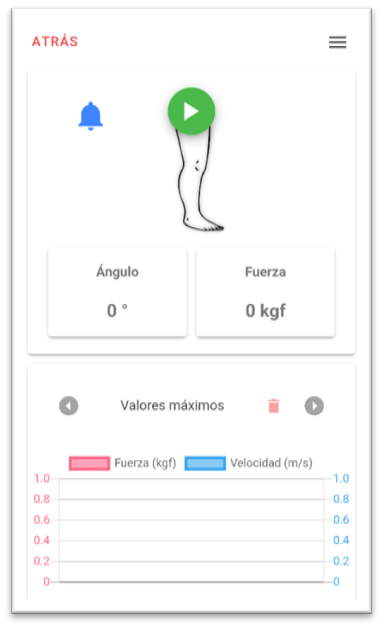
Realtimeトラッキング:アプリは、弾性バンドを使用した力、速度、電源などの主要なメトリックに関するリアルタイムデータをキャプチャおよび表示します。この即時のフィードバックは、その場でパフォーマンスを監視および調整するのに役立ちます。

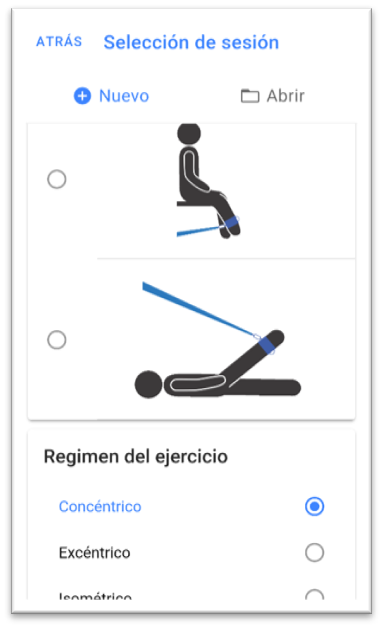
❤設定可能な演習:幅広い構成可能なエクササイズを使用すると、正確なタイプのエクササイズを選択して、動きの開始条件と終了条件を定義できます。このカスタマイズにより、アプリの測定と分析がトレーニング計画と正確に整合することが保証されます。

❤力と角度のアラーム:力と角度の上部と下部の両方のしきい値の両方にアラームを設定して、希望するパフォーマンスレベル内にとどまります。これらのアラームは、一貫性を維持し、ワークアウト中に過剰にそれを行うか、パフォーマンスが低下するのを防ぎます。

ユーザー向けのヒント:

reasied希望のパラメーターを設定します:適切なエクササイズを選択し、特定の開始および終了条件を設定することにより、Dinabangの構成可能なエクササイズを最大限に活用します。これにより、正確な測定値とワークアウトルーチンに合わせて調整された分析が得られます。

realimeリアルタイムパフォーマンスを監視する:アプリのリアルタイム追跡機能を使用して、運動中の力、速度、パワーメトリックに注意してください。このインスタントフィードバックは、必要な調整を行い、パフォーマンスを最適化するのに役立ちます。

force力と角度のアラームを使用します。力と角度のアラームを利用して、希望する努力と運動範囲内で運動していることを確認します。これらのアラームは、一貫性を維持し、潜在的な怪我や緊張を防ぐのに役立ちます。

結論:

Dinabangは、弾力性のあるバンドを使用した運動を追跡および分析するためのユーザーフレンドリーで効率的なソリューションを提供します。ポータブルで軽量なデザインにより、外出先でのトレーニングの進捗を追跡するのに最適なコンパニオンになります。リアルタイムトラッキング、カスタマイズ可能なエクササイズ、力と角度のアラームにより、このアプリはトレーニングを最適化するのに役立つ貴重な洞察を提供します。客観的な測定値を提供し、反復可能なエクササイズを可能にすることにより、Dinabangは性能向上と回復の両方の監視をサポートします。今すぐアプリをダウンロードして、運動の追跡を新たな高みに引き上げます。
Dinabang スクリーンショット 0
Dinabang スクリーンショット 1
Dinabang スクリーンショット 2
最新ニュース
Cross-platform play features refer to theCriticalSection in video games that allow players on different gaming platforms (such as PlayStation, Xbox, PC, and mobile) to play together in the same game session. This interoperability has become increasingly popular in modern gaming due to player demand for broader social experiences and larger player pools.
Key aspects of cross-platform play features include:


Unified Player Bases: By enabling players from different platforms to join the same servers, games can maintain more active communities, reducing lag and long wait times.


Improved Accessibility: Players are not limited to playing only with others on the same console or operating system, making it easier to connect with friends across different devices.


Consistent Game Experience: Developers must ensure gameplay mechanics, controls, and performance are balanced across platforms. For example, a player on a mobile device using touch controls should not have a significant advantage over a PC user with a keyboard and mouse.


Control and Input Adaptation: Games often implement different control schemes (e.g., touch, controller, mouse and keyboard) to accommodate platform-specific input methods while maintaining fairness.


Cloud Saves and Progress Synchronization: Many cross-platform games use cloud-based services to store player progress, ensuring that achievements and game data sync across all devices.


Challenges and Limitations:

Technical Hurdles: Differences in hardware performance and network infrastructure can complicate development.
Business and Licensing Issues: Platform holders like Sony, Microsoft, and Apple have historically been cautious about cross-play due to concerns over revenue, exclusivity, and control over their ecosystems.
Security and Anti-Cheat: Ensuring fair play across platforms requires robust anti-cheat systems and consistent enforcement.


Notable examples of successful cross-platform play include:

Fortnite – Fully cross-platform across PC, PlayStation, Xbox, Nintendo Switch, iOS, and Android.
Minecraft – Supports cross-play between almost all major platforms.
Apex Legends – Allows players on PC, PlayStation, Xbox, and mobile (via cloud gaming) to play together.
Call of Duty: Mobile and Call of Duty: Warzone – Offer cross-play across platforms.

Overall, cross-platform play features are increasingly seen as a standard in modern gaming, driven by player expectations for inclusivity and seamless multiplayer experiences. As technology advances and platform companies become more open, cross-platform gaming is likely to become even more widespread.

Cross-platform play features refer to theCriticalSection in video games that allow players on different gaming platforms (such as PlayStation, Xbox, PC, and mobile) to play together in the same game session. This interoperability has become increasingly popular in modern gaming due to player demand for broader social experiences and larger player pools. Key aspects of cross-platform play features include: Unified Player Bases: By enabling players from different platforms to join the same servers, games can maintain more active communities, reducing lag and long wait times. Improved Accessibility: Players are not limited to playing only with others on the same console or operating system, making it easier to connect with friends across different devices. Consistent Game Experience: Developers must ensure gameplay mechanics, controls, and performance are balanced across platforms. For example, a player on a mobile device using touch controls should not have a significant advantage over a PC user with a keyboard and mouse. Control and Input Adaptation: Games often implement different control schemes (e.g., touch, controller, mouse and keyboard) to accommodate platform-specific input methods while maintaining fairness. Cloud Saves and Progress Synchronization: Many cross-platform games use cloud-based services to store player progress, ensuring that achievements and game data sync across all devices. Challenges and Limitations: Technical Hurdles: Differences in hardware performance and network infrastructure can complicate development. Business and Licensing Issues: Platform holders like Sony, Microsoft, and Apple have historically been cautious about cross-play due to concerns over revenue, exclusivity, and control over their ecosystems. Security and Anti-Cheat: Ensuring fair play across platforms requires robust anti-cheat systems and consistent enforcement. Notable examples of successful cross-platform play include: Fortnite – Fully cross-platform across PC, PlayStation, Xbox, Nintendo Switch, iOS, and Android. Minecraft – Supports cross-play between almost all major platforms. Apex Legends – Allows players on PC, PlayStation, Xbox, and mobile (via cloud gaming) to play together. Call of Duty: Mobile and Call of Duty: Warzone – Offer cross-play across platforms. Overall, cross-platform play features are increasingly seen as a standard in modern gaming, driven by player expectations for inclusivity and seamless multiplayer experiences. As technology advances and platform companies become more open, cross-platform gaming is likely to become even more widespread.