
>  アプリ >  自動車と乗り物 >  Engen 1app
Engen 1app

Engen 1app

カテゴリー : 自動車と乗り物バージョン: 3.13.10

サイズ:73.6 MBOS : Android 5.0+

開発者:Engen

4.0
ダウンロード
アプリケーションの説明

あなたの将来の自動車の利便性

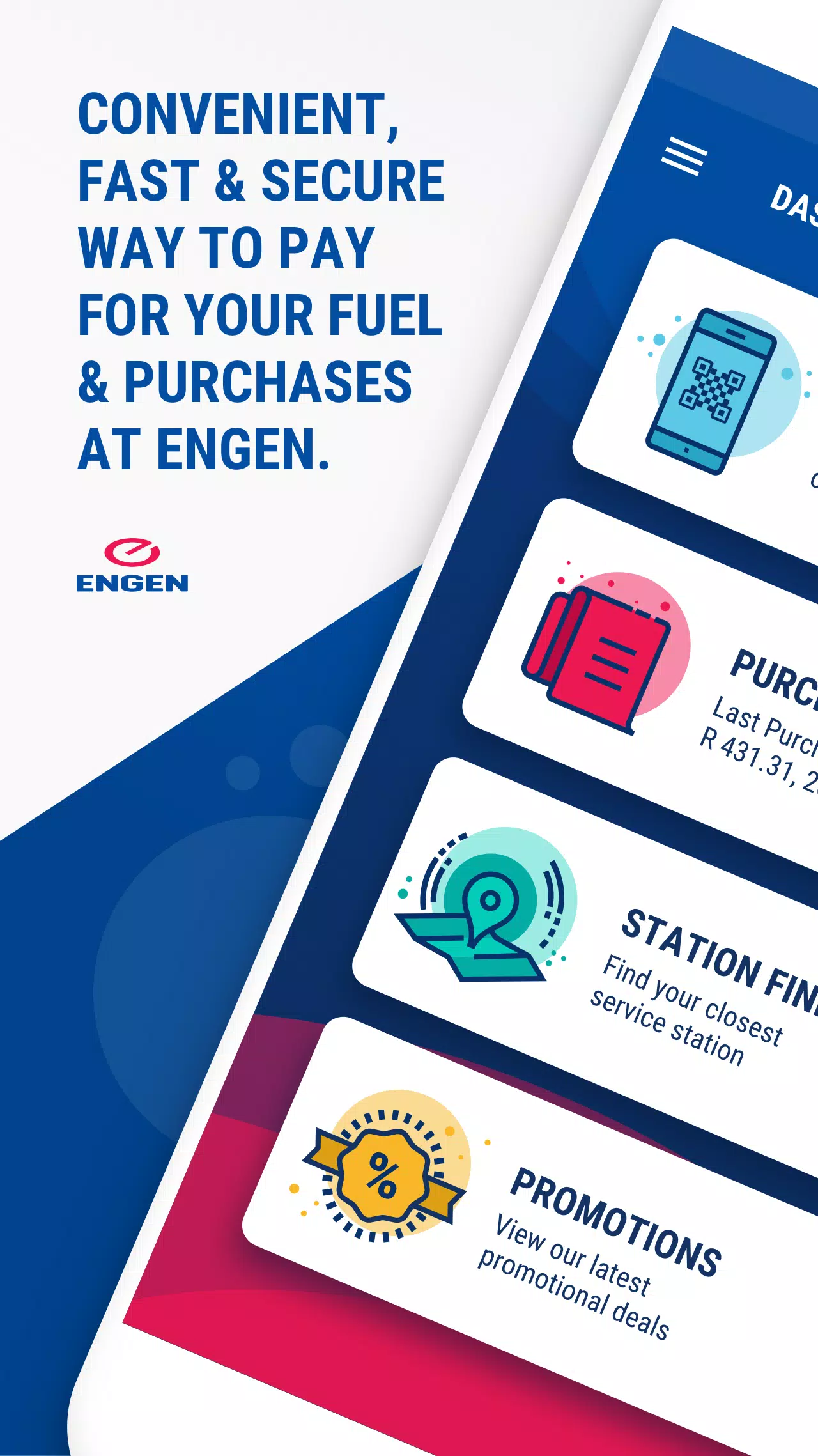
アプリでモーターリングのニーズを楽に管理します。便利なログイン方法を選択してください:Facebook、Gmail、Microsoft、または独自のアカウントを作成します。バイオメトリックログインは、速度とセキュリティを追加するためにも利用できます。

登録中またはアプリ内の後で銀行カードを統合されたマスターパスウォレットにロードします。現在、ガレージカードはサポートされていません。

FNBカードを使用していますか?心配しないでください、あなたのebucksの報酬はいつものように適用されます。

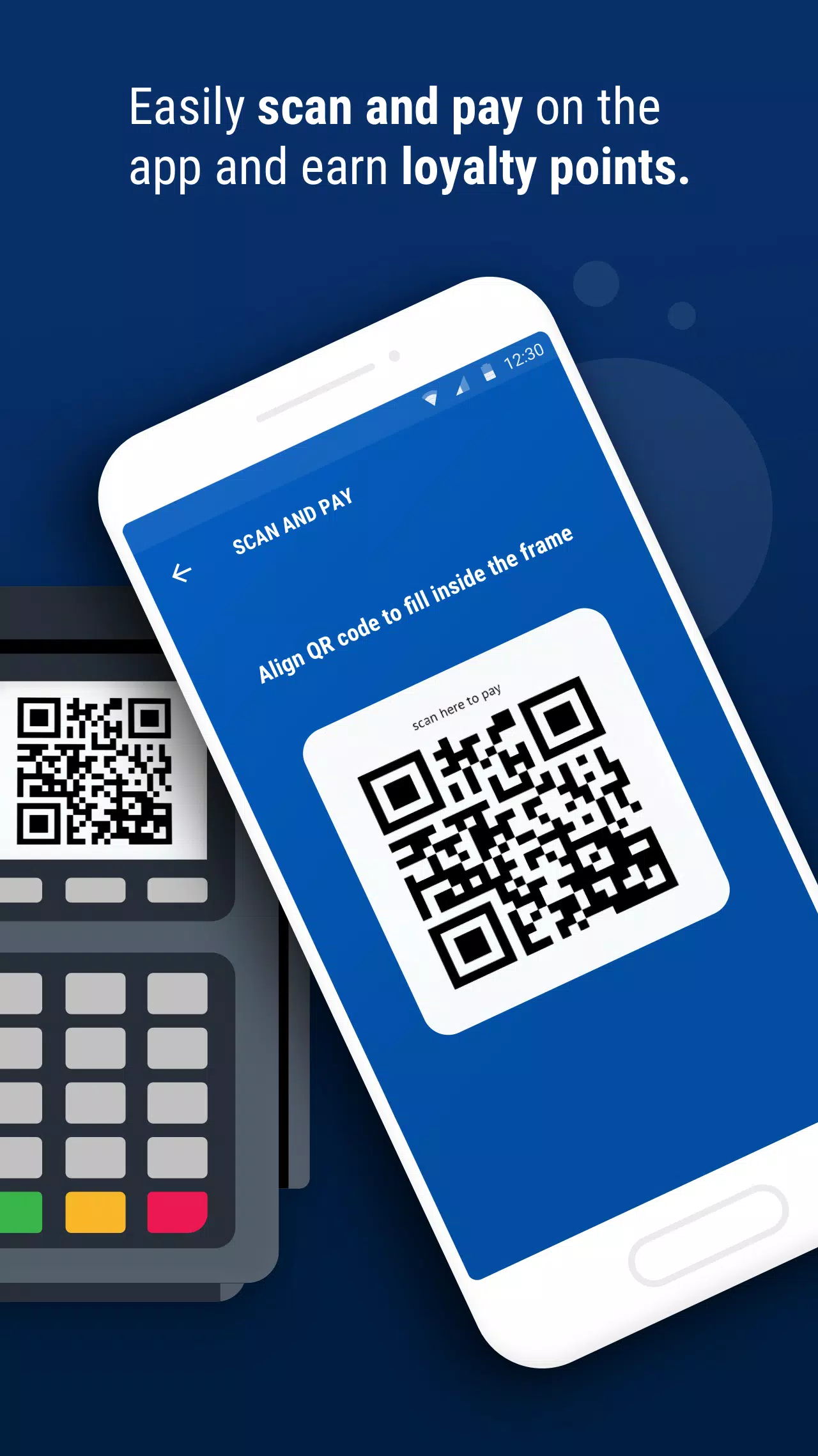
デビット/クレジットカード、1カード、または1カード燃料でシームレスな支払いをお楽しみください。

デビット/クレジットカードまたは既存の1カードを使用して、1カードと1カードの燃料バランス、または追加の受益者のバランスを簡単に補充できます。

Clicks ClubCardをリンクして、購入するたびに貴重なポイントを獲得します。

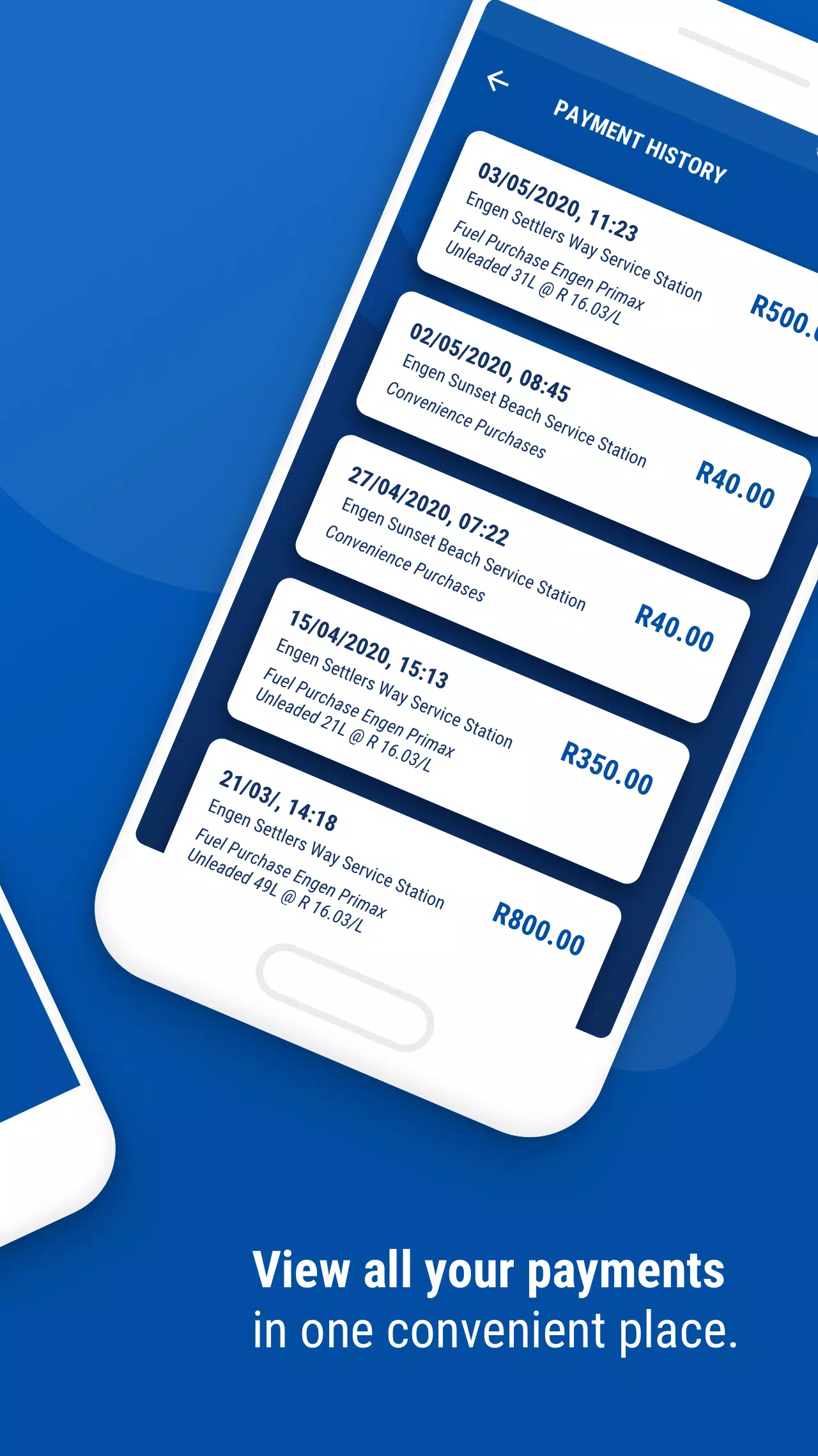
すべての取引の包括的な履歴にアクセスします。

私の車両のログブックに車両の詳細な記録を維持します。

ステーションエクスペリエンスを評価してフィードバックを共有してください。

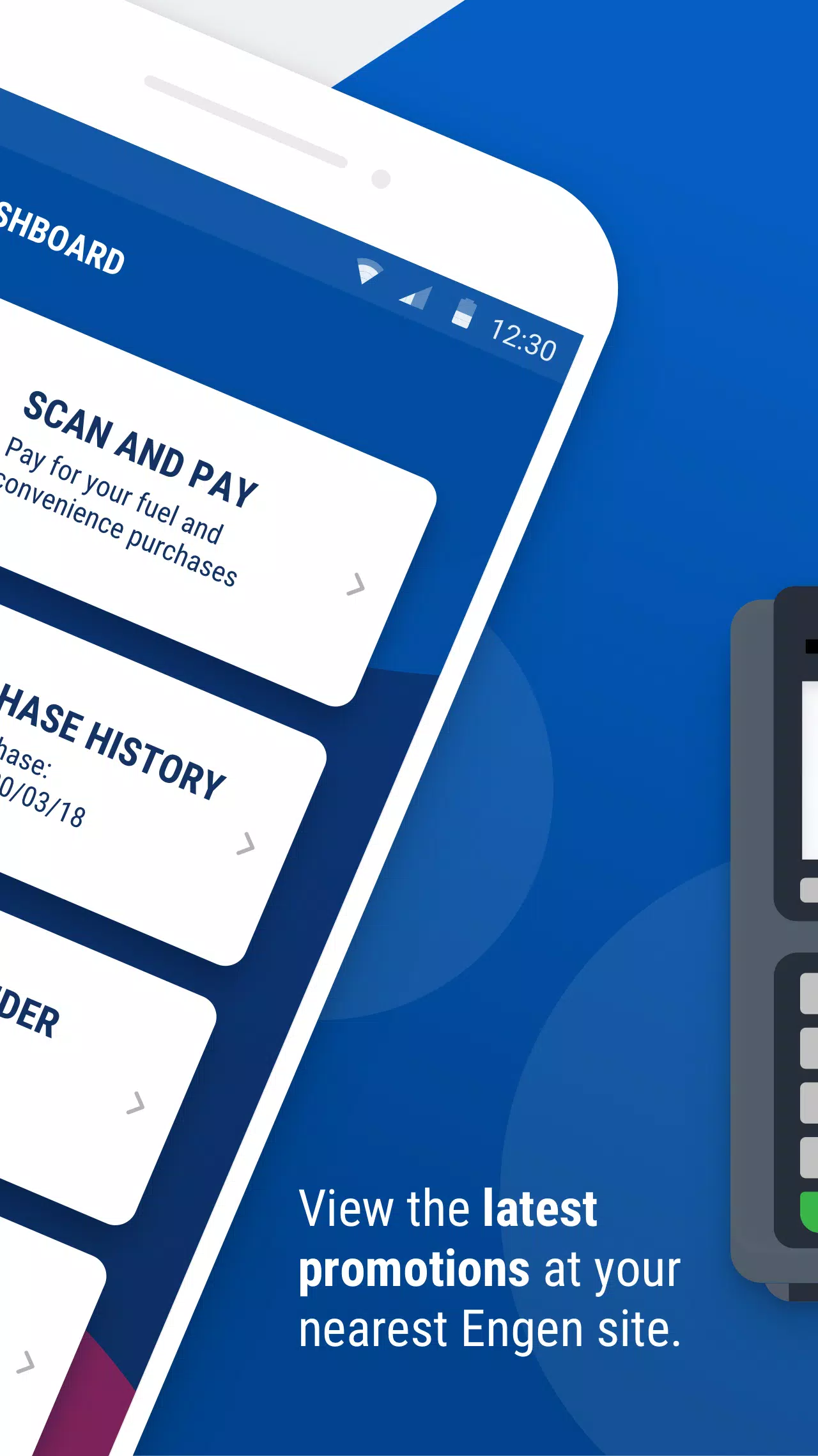
エンゲン内の最新のプロモーションについてお知らせください。

バージョン3.13.10の新しいもの

最後に更新された2024年11月2日

この更新には、競争体験の軽微な改善が含まれています。
Engen 1app スクリーンショット 0
Engen 1app スクリーンショット 1
Engen 1app スクリーンショット 2
Engen 1app スクリーンショット 3
最新ニュース
Cross-platform play features refer to theCriticalSection in video games that allow players on different gaming platforms (such as PlayStation, Xbox, PC, and mobile) to play together in the same game session. This interoperability has become increasingly popular in modern gaming due to player demand for broader social experiences and larger player pools.
Key aspects of cross-platform play features include:


Unified Player Bases: By enabling players from different platforms to join the same servers, games can maintain more active communities, reducing lag and long wait times.


Improved Accessibility: Players are not limited to playing only with others on the same console or operating system, making it easier to connect with friends across different devices.


Consistent Game Experience: Developers must ensure gameplay mechanics, controls, and performance are balanced across platforms. For example, a player on a mobile device using touch controls should not have a significant advantage over a PC user with a keyboard and mouse.


Control and Input Adaptation: Games often implement different control schemes (e.g., touch, controller, mouse and keyboard) to accommodate platform-specific input methods while maintaining fairness.


Cloud Saves and Progress Synchronization: Many cross-platform games use cloud-based services to store player progress, ensuring that achievements and game data sync across all devices.


Challenges and Limitations:

Technical Hurdles: Differences in hardware performance and network infrastructure can complicate development.
Business and Licensing Issues: Platform holders like Sony, Microsoft, and Apple have historically been cautious about cross-play due to concerns over revenue, exclusivity, and control over their ecosystems.
Security and Anti-Cheat: Ensuring fair play across platforms requires robust anti-cheat systems and consistent enforcement.


Notable examples of successful cross-platform play include:

Fortnite – Fully cross-platform across PC, PlayStation, Xbox, Nintendo Switch, iOS, and Android.
Minecraft – Supports cross-play between almost all major platforms.
Apex Legends – Allows players on PC, PlayStation, Xbox, and mobile (via cloud gaming) to play together.
Call of Duty: Mobile and Call of Duty: Warzone – Offer cross-play across platforms.

Overall, cross-platform play features are increasingly seen as a standard in modern gaming, driven by player expectations for inclusivity and seamless multiplayer experiences. As technology advances and platform companies become more open, cross-platform gaming is likely to become even more widespread.

Cross-platform play features refer to theCriticalSection in video games that allow players on different gaming platforms (such as PlayStation, Xbox, PC, and mobile) to play together in the same game session. This interoperability has become increasingly popular in modern gaming due to player demand for broader social experiences and larger player pools. Key aspects of cross-platform play features include: Unified Player Bases: By enabling players from different platforms to join the same servers, games can maintain more active communities, reducing lag and long wait times. Improved Accessibility: Players are not limited to playing only with others on the same console or operating system, making it easier to connect with friends across different devices. Consistent Game Experience: Developers must ensure gameplay mechanics, controls, and performance are balanced across platforms. For example, a player on a mobile device using touch controls should not have a significant advantage over a PC user with a keyboard and mouse. Control and Input Adaptation: Games often implement different control schemes (e.g., touch, controller, mouse and keyboard) to accommodate platform-specific input methods while maintaining fairness. Cloud Saves and Progress Synchronization: Many cross-platform games use cloud-based services to store player progress, ensuring that achievements and game data sync across all devices. Challenges and Limitations: Technical Hurdles: Differences in hardware performance and network infrastructure can complicate development. Business and Licensing Issues: Platform holders like Sony, Microsoft, and Apple have historically been cautious about cross-play due to concerns over revenue, exclusivity, and control over their ecosystems. Security and Anti-Cheat: Ensuring fair play across platforms requires robust anti-cheat systems and consistent enforcement. Notable examples of successful cross-platform play include: Fortnite – Fully cross-platform across PC, PlayStation, Xbox, Nintendo Switch, iOS, and Android. Minecraft – Supports cross-play between almost all major platforms. Apex Legends – Allows players on PC, PlayStation, Xbox, and mobile (via cloud gaming) to play together. Call of Duty: Mobile and Call of Duty: Warzone – Offer cross-play across platforms. Overall, cross-platform play features are increasingly seen as a standard in modern gaming, driven by player expectations for inclusivity and seamless multiplayer experiences. As technology advances and platform companies become more open, cross-platform gaming is likely to become even more widespread.