
>  アプリ >  自動車と乗り物 >  Go Share
Go Share

Go Share

カテゴリー : 自動車と乗り物バージョン: 2.14.11

サイズ:8.8 MBOS : Android 5.0+

開発者:Xmarton s.r.o.

4.5
ダウンロード
アプリケーションの説明

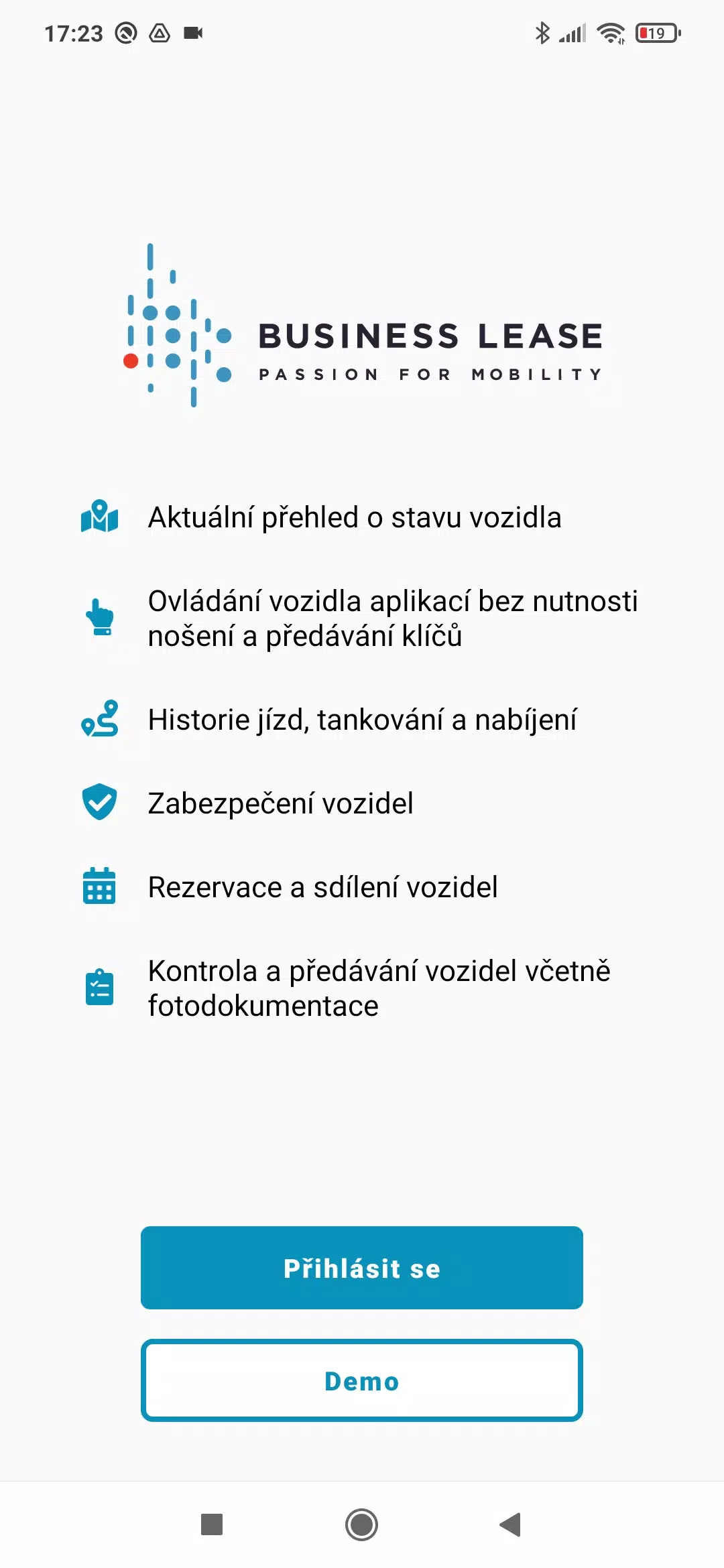
Go Shareは、複数のドライバーの間で車両を共有する必要がある企業にとって、完璧な電子ログブックおよびフリート管理ソリューションです。オンライン予約と携帯電話のコントロールでキーハンドオーバーを排除します。 Go Share Telematicsユニットを車両にインストールするだけです。詳細については、 www.businesslease.czをご覧ください

主な機能:

安全性:

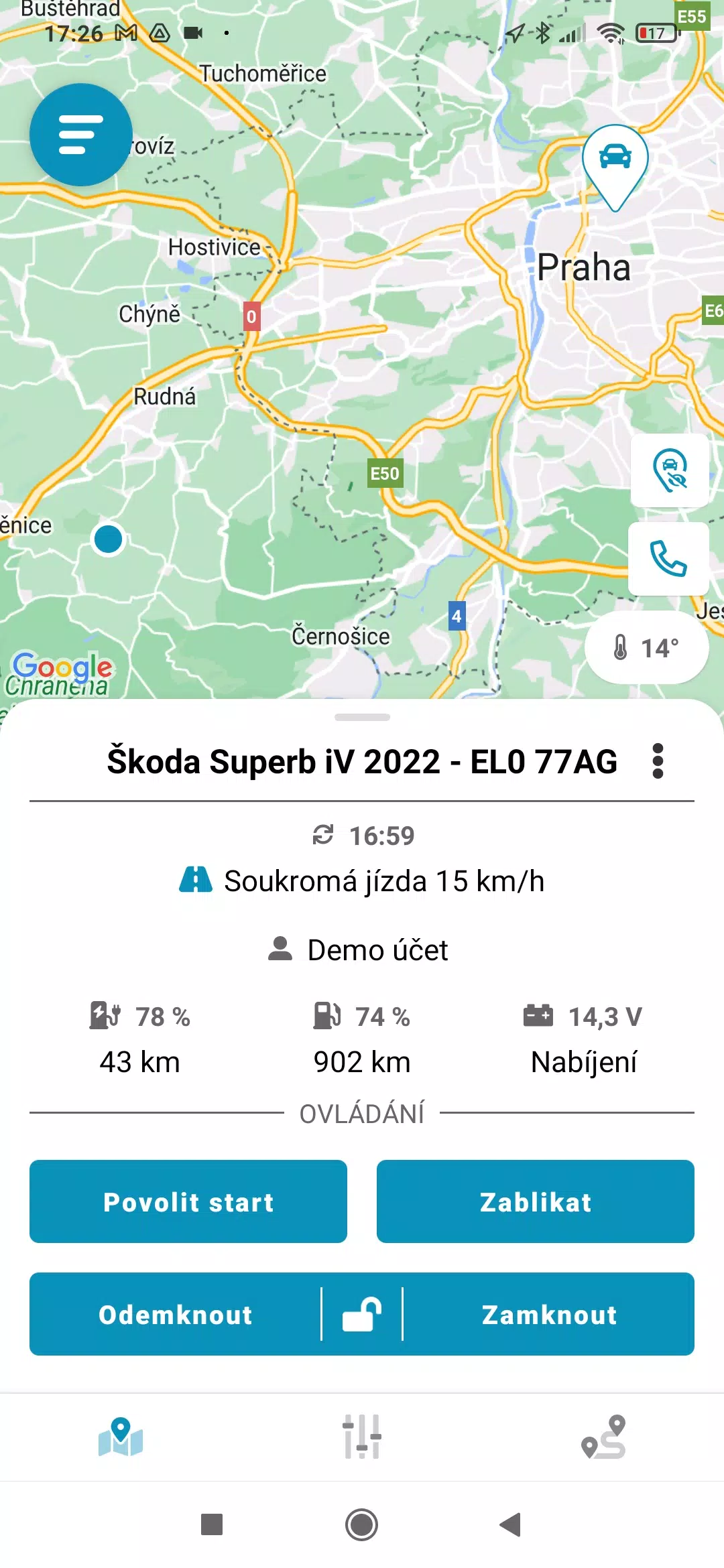
  • 特定のドライバーが車両を起動することを許可します。
  • 即時の事故通知を受け取り、緊急支援を派遣します。
  • 盗難の場合に車両の起動をリモートブロックします。
  • 衝撃、牽引、または不正な動きのアラートを取得します。

利便性:

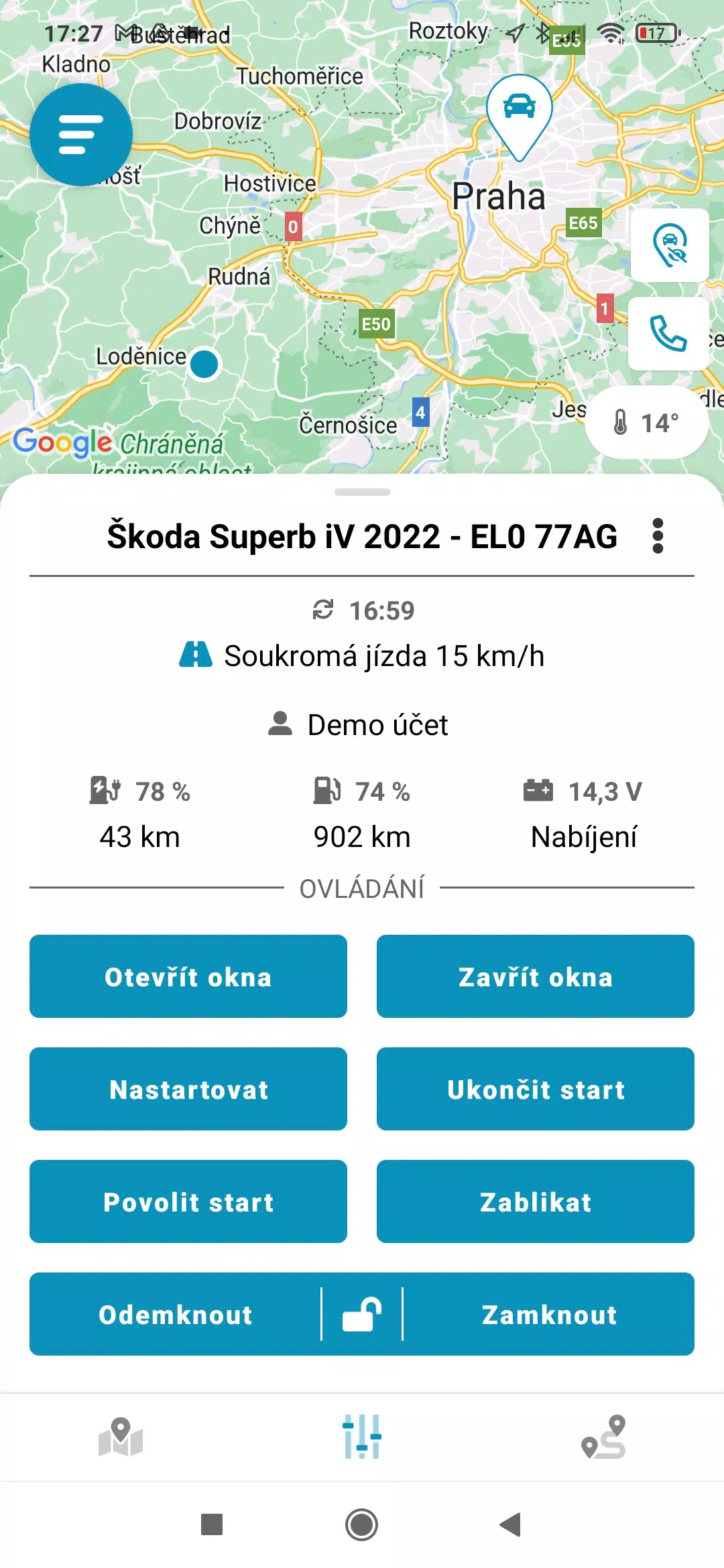
  • 複数のユーザー(たとえば、家族)は、キーを交換せずに車両にアクセスできます。
  • 携帯電話を介してロックステータスとエンジンステータスをリモートで確認します。
  • ハザードライトをリモートで制御します。
  • 接続された携帯電話を介した自動ドライバー認識。
  • リモートロックとロック解除。
  • 通知バーからの直接ロック/ロック解除。
  • リモートエンジンの開始と補助加熱活性化。

完全な概要:

  • 車両を見つけるためのGPS追跡。
  • ドア、窓、ライト、バッテリー、燃料レベル、エンジンステータスのリアルタイム監視。
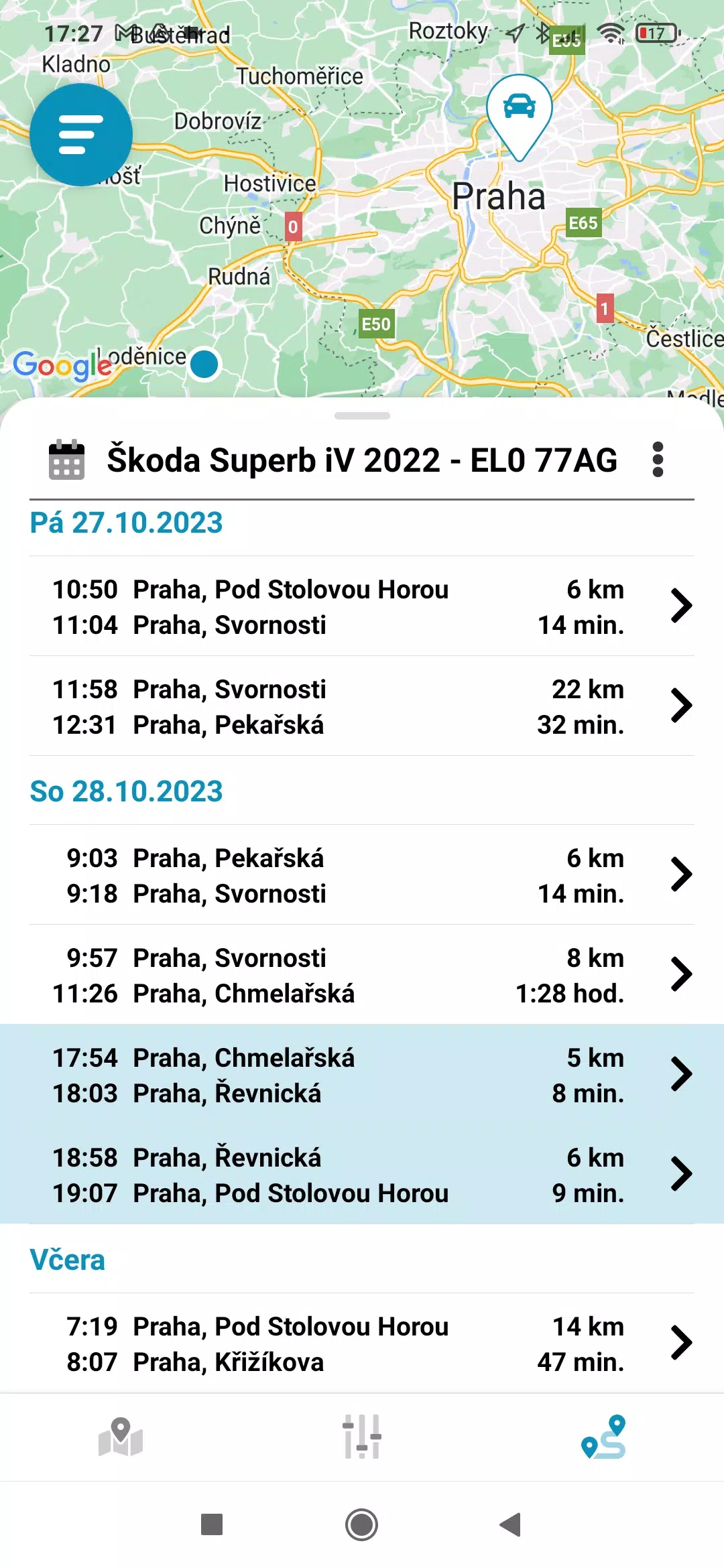
  • 詳細な旅行統計、走行距離、コスト、燃料消費。
  • XLSXとCSVエクスポートを備えた電子ログブック。

Go Shareアプリは、 fleet.businesslease.cz Webポータルと統合され、概要、駆動ログ、消費計算、レポートなどを含む包括的なフリート管理ツールを提供します。

質問、コメント、または提案については、 support@ businesslease.czまでお問い合わせください

Go Shareはビジネスリースによって提供されます。

ビジネスリースについて

Business Leaseは、乗客と軽い商用車の運用リースを専門とするモビリティサービスの大手プロバイダーです。 30年以上の経験により、クライアントの期待を超える柔軟でユーザーフレンドリーな革新的なソリューションを提供しています。持続可能性へのコミットメントは、詳細や並外れたカスタマーケアへの情熱と相まって、私たちを際立たせます。 AutoBINCKグループの一部として、最先端のモビリティの概念へのアクセスを活用しながら、現在のビジネスニーズに重点を置き、一流のサービスを確保しています。

ウェブサイト:https://www.businesslease.cz/produkty-a-sluzby/udrzitelnost-a-emobilita

フリートポータル:fleet.businesslease.cz

フォローしてください:

LinkedIn:https://www.linkedin.com/company/business-lease-group-bv/

Facebook:https://www.facebook.com/businessleasecz/

バージョン2.14.11の新しいもの

最終更新2024年9月18日

  • 車両の詳細
  • 車両セキュリティ設定
  • carsharing.xmarton.comからの予約
  • 更新された手順と連絡先画面
Go Share スクリーンショット 0
Go Share スクリーンショット 1
Go Share スクリーンショット 2
Go Share スクリーンショット 3
最新ニュース
Cross-platform play features refer to theCriticalSection in video games that allow players on different gaming platforms (such as PlayStation, Xbox, PC, and mobile) to play together in the same game session. This interoperability has become increasingly popular in modern gaming due to player demand for broader social experiences and larger player pools.
Key aspects of cross-platform play features include:


Unified Player Bases: By enabling players from different platforms to join the same servers, games can maintain more active communities, reducing lag and long wait times.


Improved Accessibility: Players are not limited to playing only with others on the same console or operating system, making it easier to connect with friends across different devices.


Consistent Game Experience: Developers must ensure gameplay mechanics, controls, and performance are balanced across platforms. For example, a player on a mobile device using touch controls should not have a significant advantage over a PC user with a keyboard and mouse.


Control and Input Adaptation: Games often implement different control schemes (e.g., touch, controller, mouse and keyboard) to accommodate platform-specific input methods while maintaining fairness.


Cloud Saves and Progress Synchronization: Many cross-platform games use cloud-based services to store player progress, ensuring that achievements and game data sync across all devices.


Challenges and Limitations:

Technical Hurdles: Differences in hardware performance and network infrastructure can complicate development.
Business and Licensing Issues: Platform holders like Sony, Microsoft, and Apple have historically been cautious about cross-play due to concerns over revenue, exclusivity, and control over their ecosystems.
Security and Anti-Cheat: Ensuring fair play across platforms requires robust anti-cheat systems and consistent enforcement.


Notable examples of successful cross-platform play include:

Fortnite – Fully cross-platform across PC, PlayStation, Xbox, Nintendo Switch, iOS, and Android.
Minecraft – Supports cross-play between almost all major platforms.
Apex Legends – Allows players on PC, PlayStation, Xbox, and mobile (via cloud gaming) to play together.
Call of Duty: Mobile and Call of Duty: Warzone – Offer cross-play across platforms.

Overall, cross-platform play features are increasingly seen as a standard in modern gaming, driven by player expectations for inclusivity and seamless multiplayer experiences. As technology advances and platform companies become more open, cross-platform gaming is likely to become even more widespread.

Cross-platform play features refer to theCriticalSection in video games that allow players on different gaming platforms (such as PlayStation, Xbox, PC, and mobile) to play together in the same game session. This interoperability has become increasingly popular in modern gaming due to player demand for broader social experiences and larger player pools. Key aspects of cross-platform play features include: Unified Player Bases: By enabling players from different platforms to join the same servers, games can maintain more active communities, reducing lag and long wait times. Improved Accessibility: Players are not limited to playing only with others on the same console or operating system, making it easier to connect with friends across different devices. Consistent Game Experience: Developers must ensure gameplay mechanics, controls, and performance are balanced across platforms. For example, a player on a mobile device using touch controls should not have a significant advantage over a PC user with a keyboard and mouse. Control and Input Adaptation: Games often implement different control schemes (e.g., touch, controller, mouse and keyboard) to accommodate platform-specific input methods while maintaining fairness. Cloud Saves and Progress Synchronization: Many cross-platform games use cloud-based services to store player progress, ensuring that achievements and game data sync across all devices. Challenges and Limitations: Technical Hurdles: Differences in hardware performance and network infrastructure can complicate development. Business and Licensing Issues: Platform holders like Sony, Microsoft, and Apple have historically been cautious about cross-play due to concerns over revenue, exclusivity, and control over their ecosystems. Security and Anti-Cheat: Ensuring fair play across platforms requires robust anti-cheat systems and consistent enforcement. Notable examples of successful cross-platform play include: Fortnite – Fully cross-platform across PC, PlayStation, Xbox, Nintendo Switch, iOS, and Android. Minecraft – Supports cross-play between almost all major platforms. Apex Legends – Allows players on PC, PlayStation, Xbox, and mobile (via cloud gaming) to play together. Call of Duty: Mobile and Call of Duty: Warzone – Offer cross-play across platforms. Overall, cross-platform play features are increasingly seen as a standard in modern gaming, driven by player expectations for inclusivity and seamless multiplayer experiences. As technology advances and platform companies become more open, cross-platform gaming is likely to become even more widespread.