
>  ゲーム >  言葉 >  Guess It
Guess It

Guess It

カテゴリー : 言葉バージョン: 2.0.3

サイズ:1.06MBOS : Android 6.0+

開発者:Dawid Misiło

3.5
ダウンロード
アプリケーションの説明

Guess It: 広告なしの楽しいソーシャル パーティー ワード ゲーム!

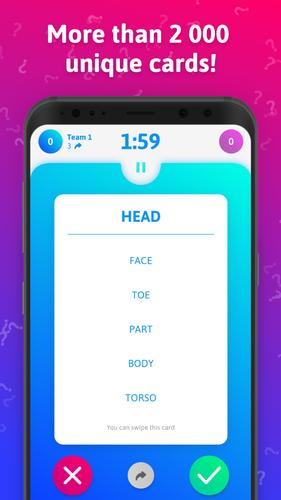
Guess It は、「禁じられた言葉」に似たスリル満点のソーシャル ワード ゲームで、パーティー、家族の集まり、友達との集まりに最適です。 完全に無料で広告なしで、ポーランド語 (約 4,000 枚のカード) と英語、ドイツ語、スペイン語 (それぞれ 2,000 枚以上のカード) で利用できます。 ゲームのオフライン機能により、どこにいても楽しくお楽しみいただけます。インターネット接続は必要ありません!

ゲームプレイ:

2 つのチームに分かれて (チームのオプションは近々追加予定です!)、楽しみを始めましょう!チームの 1 人のプレーヤーが電話を受け取り、相手チームのメンバーが審判として機能し、公平なプレーを確保します。 目的は、禁止されている単語を使用せずに、カードに表示されているキーワードをチームに推測させることです。グループに合わせてエクスペリエンスを調整するために、ルールをカスタマイズして、ジェスチャーや類似の単語を禁止することもできます。

直感的なコントロール:

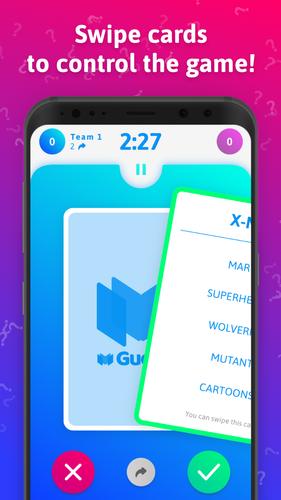
簡単なスワイプ ジェスチャを使用してカードを制御します。正しい推測の場合は右にスワイプ、間違った推測の場合は左にスワイプ、スキップするには下にスワイプします。

カスタマイズオプション:

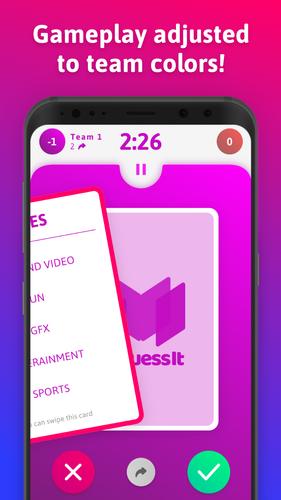
ラウンド時間、ポイント制限、スキップ許容量、チーム名、色を調整してゲームをカスタマイズしましょう! チームが所定の合計ポイントに達するまでプレイは続きます。

免責事項:

Guess It は、Hasbro または Hersch and Company の Taboo、Tabou、Tabu、Tabù、Tabuh、または類似の製品とは提携していません。
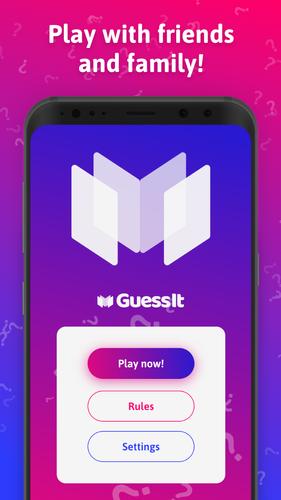
Guess It スクリーンショット 0
Guess It スクリーンショット 1
Guess It スクリーンショット 2
Guess It スクリーンショット 3
最新ニュース
Cross-platform play features refer to theCriticalSection in video games that allow players on different gaming platforms (such as PlayStation, Xbox, PC, and mobile) to play together in the same game session. This interoperability has become increasingly popular in modern gaming due to player demand for broader social experiences and larger player pools.
Key aspects of cross-platform play features include:


Unified Player Bases: By enabling players from different platforms to join the same servers, games can maintain more active communities, reducing lag and long wait times.


Improved Accessibility: Players are not limited to playing only with others on the same console or operating system, making it easier to connect with friends across different devices.


Consistent Game Experience: Developers must ensure gameplay mechanics, controls, and performance are balanced across platforms. For example, a player on a mobile device using touch controls should not have a significant advantage over a PC user with a keyboard and mouse.


Control and Input Adaptation: Games often implement different control schemes (e.g., touch, controller, mouse and keyboard) to accommodate platform-specific input methods while maintaining fairness.


Cloud Saves and Progress Synchronization: Many cross-platform games use cloud-based services to store player progress, ensuring that achievements and game data sync across all devices.


Challenges and Limitations:

Technical Hurdles: Differences in hardware performance and network infrastructure can complicate development.
Business and Licensing Issues: Platform holders like Sony, Microsoft, and Apple have historically been cautious about cross-play due to concerns over revenue, exclusivity, and control over their ecosystems.
Security and Anti-Cheat: Ensuring fair play across platforms requires robust anti-cheat systems and consistent enforcement.


Notable examples of successful cross-platform play include:

Fortnite – Fully cross-platform across PC, PlayStation, Xbox, Nintendo Switch, iOS, and Android.
Minecraft – Supports cross-play between almost all major platforms.
Apex Legends – Allows players on PC, PlayStation, Xbox, and mobile (via cloud gaming) to play together.
Call of Duty: Mobile and Call of Duty: Warzone – Offer cross-play across platforms.

Overall, cross-platform play features are increasingly seen as a standard in modern gaming, driven by player expectations for inclusivity and seamless multiplayer experiences. As technology advances and platform companies become more open, cross-platform gaming is likely to become even more widespread.

Cross-platform play features refer to theCriticalSection in video games that allow players on different gaming platforms (such as PlayStation, Xbox, PC, and mobile) to play together in the same game session. This interoperability has become increasingly popular in modern gaming due to player demand for broader social experiences and larger player pools. Key aspects of cross-platform play features include: Unified Player Bases: By enabling players from different platforms to join the same servers, games can maintain more active communities, reducing lag and long wait times. Improved Accessibility: Players are not limited to playing only with others on the same console or operating system, making it easier to connect with friends across different devices. Consistent Game Experience: Developers must ensure gameplay mechanics, controls, and performance are balanced across platforms. For example, a player on a mobile device using touch controls should not have a significant advantage over a PC user with a keyboard and mouse. Control and Input Adaptation: Games often implement different control schemes (e.g., touch, controller, mouse and keyboard) to accommodate platform-specific input methods while maintaining fairness. Cloud Saves and Progress Synchronization: Many cross-platform games use cloud-based services to store player progress, ensuring that achievements and game data sync across all devices. Challenges and Limitations: Technical Hurdles: Differences in hardware performance and network infrastructure can complicate development. Business and Licensing Issues: Platform holders like Sony, Microsoft, and Apple have historically been cautious about cross-play due to concerns over revenue, exclusivity, and control over their ecosystems. Security and Anti-Cheat: Ensuring fair play across platforms requires robust anti-cheat systems and consistent enforcement. Notable examples of successful cross-platform play include: Fortnite – Fully cross-platform across PC, PlayStation, Xbox, Nintendo Switch, iOS, and Android. Minecraft – Supports cross-play between almost all major platforms. Apex Legends – Allows players on PC, PlayStation, Xbox, and mobile (via cloud gaming) to play together. Call of Duty: Mobile and Call of Duty: Warzone – Offer cross-play across platforms. Overall, cross-platform play features are increasingly seen as a standard in modern gaming, driven by player expectations for inclusivity and seamless multiplayer experiences. As technology advances and platform companies become more open, cross-platform gaming is likely to become even more widespread.