>  ゲーム >  ロール・プレイング >  JX2 Origin
JX2 Origin

JX2 Origin

カテゴリー : ロール・プレイングバージョン: 1.8

サイズ:1060.00MOS : Android 5.1 or later

開発者:ADNX,.JSC

4.4
ダウンロード
アプリケーションの説明

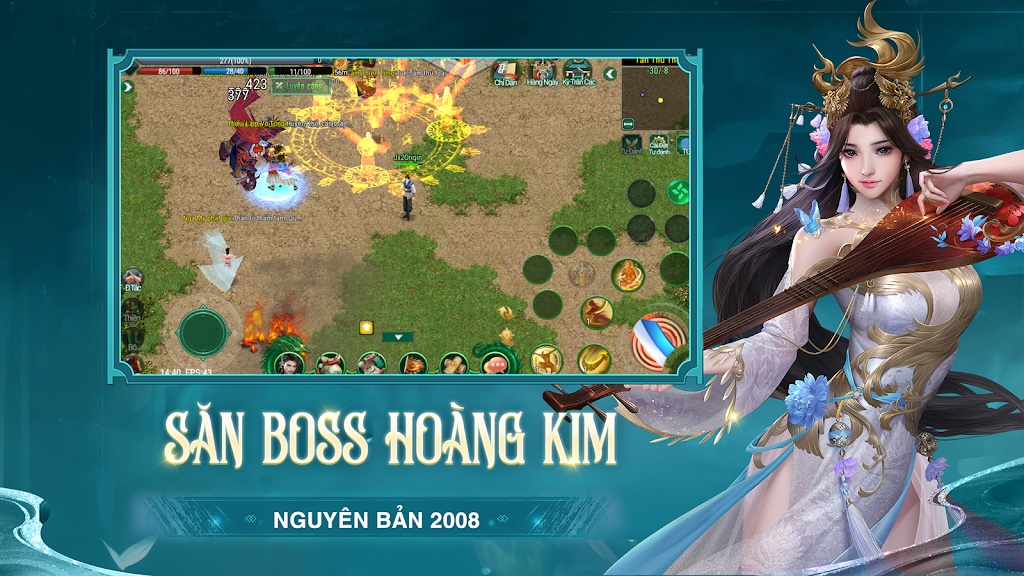
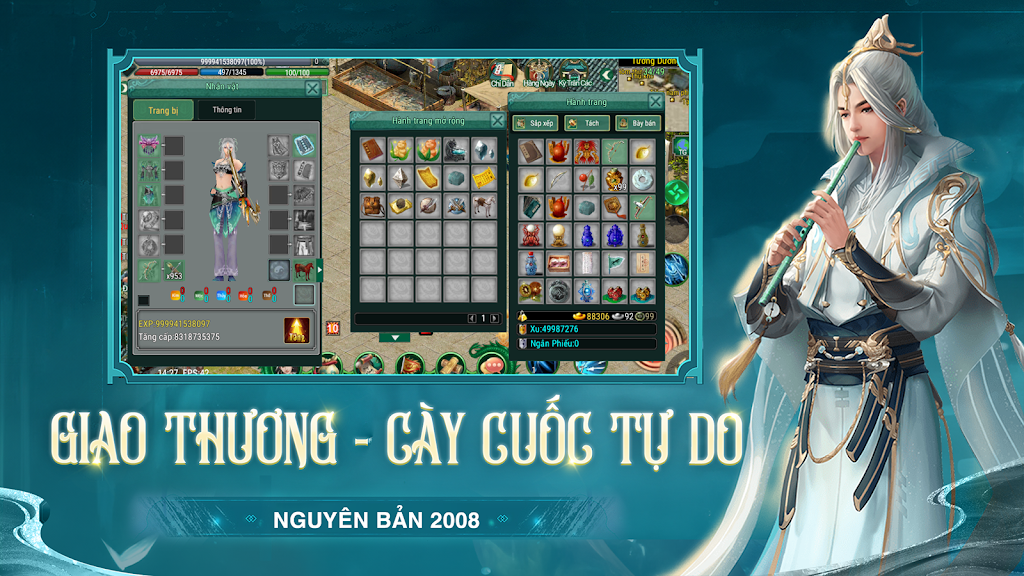
JX2 Origin は、2008 年の伝説的な武道の世界にあなたを連れ戻す MMORPG です。 12 の主要な武術宗派から選択します: 少林寺、唐門、ウドゥ、ミンジャオ、ドゥアングー、ガーミ、トゥイエン、カイバン、コンロングとヴォー・ダン。 無数のエキサイティングなミッションを伴う魅力的なストーリーに乗り出し、ゲームの広大な世界を探索しましょう。 注目すべき機能には、自由貿易、剣湖山の部族、不滅の領域、地上の宮殿、通遼の戦い、天門の戦いなどがあります。 JX2 Origin は、忠実な信者たちが古い思い出を追体験し、団結したコミュニティを一緒に構築できる遊び場です。

JX2 Origin の特徴:

  • 2008 年の伝説的な武道の世界を再現した MMORPG ゲームです。
  • プレイヤーは、12 の主要な武道の宗派のいずれかの弟子になることを選択できます。
  • 魅力的なストーリーと数多くの要素エキサイティングなクエスト。
  • 武道の領域の広大なオープンワールドを探索します。
  • 注目すべき機能には、自由貿易、剣術、超自然的なシーン、隠された神秘的な場所、壮大な戦場が含まれます。
  • プレイヤーが古い思い出を追体験し、強力なコミュニティを一緒に構築するためのプラットフォームです。

結論:

JX2 Origin は、プレイヤーを 2008 年の象徴的な武道の世界に戻す没入型 MMORPG ゲームです。その多様な武道の宗派、魅力的なストーリー、エキサイティングなクエストにより、プレイヤーは広大な世界の冒険に乗り出すことができます。没入型の領域。このゲームには、自由貿易、激しい剣術、超自然的なシーン、隠された神秘的な場所、壮大な戦場などのさまざまな機能があり、無限のエンターテイメントを提供します。 JX2 Origin に参加して懐かしい思い出を追体験し、武道コミュニティ内で強い絆を築きましょう。今すぐクリックしてダウンロードして旅を始めましょう!

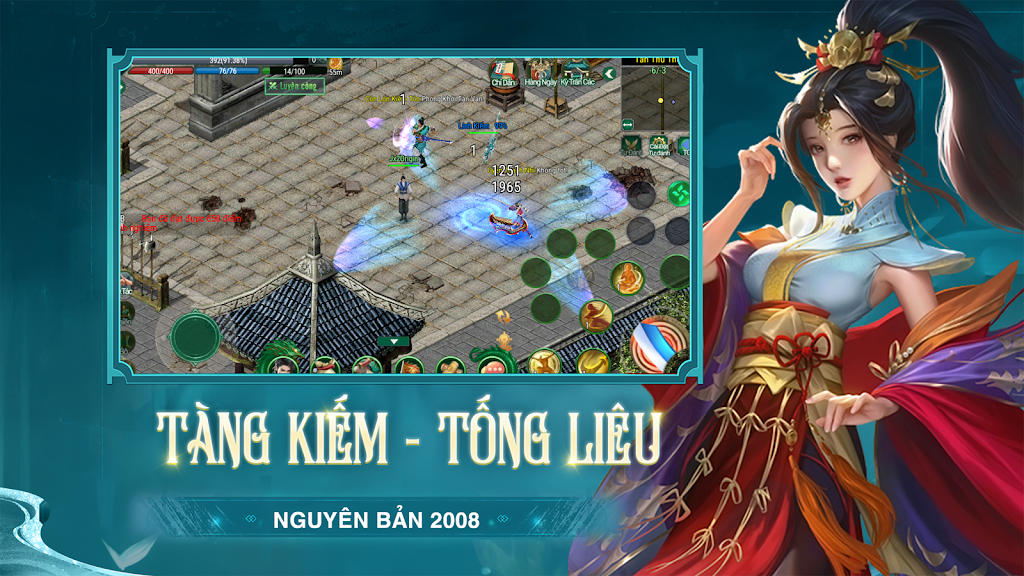
JX2 Origin スクリーンショット 0
JX2 Origin スクリーンショット 1
JX2 Origin スクリーンショット 2
JX2 Origin スクリーンショット 3
最新ニュース
Cross-platform play features refer to theCriticalSection in video games that allow players on different gaming platforms (such as PlayStation, Xbox, PC, and mobile) to play together in the same game session. This interoperability has become increasingly popular in modern gaming due to player demand for broader social experiences and larger player pools.
Key aspects of cross-platform play features include:


Unified Player Bases: By enabling players from different platforms to join the same servers, games can maintain more active communities, reducing lag and long wait times.


Improved Accessibility: Players are not limited to playing only with others on the same console or operating system, making it easier to connect with friends across different devices.


Consistent Game Experience: Developers must ensure gameplay mechanics, controls, and performance are balanced across platforms. For example, a player on a mobile device using touch controls should not have a significant advantage over a PC user with a keyboard and mouse.


Control and Input Adaptation: Games often implement different control schemes (e.g., touch, controller, mouse and keyboard) to accommodate platform-specific input methods while maintaining fairness.


Cloud Saves and Progress Synchronization: Many cross-platform games use cloud-based services to store player progress, ensuring that achievements and game data sync across all devices.


Challenges and Limitations:

Technical Hurdles: Differences in hardware performance and network infrastructure can complicate development.
Business and Licensing Issues: Platform holders like Sony, Microsoft, and Apple have historically been cautious about cross-play due to concerns over revenue, exclusivity, and control over their ecosystems.
Security and Anti-Cheat: Ensuring fair play across platforms requires robust anti-cheat systems and consistent enforcement.


Notable examples of successful cross-platform play include:

Fortnite – Fully cross-platform across PC, PlayStation, Xbox, Nintendo Switch, iOS, and Android.
Minecraft – Supports cross-play between almost all major platforms.
Apex Legends – Allows players on PC, PlayStation, Xbox, and mobile (via cloud gaming) to play together.
Call of Duty: Mobile and Call of Duty: Warzone – Offer cross-play across platforms.

Overall, cross-platform play features are increasingly seen as a standard in modern gaming, driven by player expectations for inclusivity and seamless multiplayer experiences. As technology advances and platform companies become more open, cross-platform gaming is likely to become even more widespread.

Cross-platform play features refer to theCriticalSection in video games that allow players on different gaming platforms (such as PlayStation, Xbox, PC, and mobile) to play together in the same game session. This interoperability has become increasingly popular in modern gaming due to player demand for broader social experiences and larger player pools. Key aspects of cross-platform play features include: Unified Player Bases: By enabling players from different platforms to join the same servers, games can maintain more active communities, reducing lag and long wait times. Improved Accessibility: Players are not limited to playing only with others on the same console or operating system, making it easier to connect with friends across different devices. Consistent Game Experience: Developers must ensure gameplay mechanics, controls, and performance are balanced across platforms. For example, a player on a mobile device using touch controls should not have a significant advantage over a PC user with a keyboard and mouse. Control and Input Adaptation: Games often implement different control schemes (e.g., touch, controller, mouse and keyboard) to accommodate platform-specific input methods while maintaining fairness. Cloud Saves and Progress Synchronization: Many cross-platform games use cloud-based services to store player progress, ensuring that achievements and game data sync across all devices. Challenges and Limitations: Technical Hurdles: Differences in hardware performance and network infrastructure can complicate development. Business and Licensing Issues: Platform holders like Sony, Microsoft, and Apple have historically been cautious about cross-play due to concerns over revenue, exclusivity, and control over their ecosystems. Security and Anti-Cheat: Ensuring fair play across platforms requires robust anti-cheat systems and consistent enforcement. Notable examples of successful cross-platform play include: Fortnite – Fully cross-platform across PC, PlayStation, Xbox, Nintendo Switch, iOS, and Android. Minecraft – Supports cross-play between almost all major platforms. Apex Legends – Allows players on PC, PlayStation, Xbox, and mobile (via cloud gaming) to play together. Call of Duty: Mobile and Call of Duty: Warzone – Offer cross-play across platforms. Overall, cross-platform play features are increasingly seen as a standard in modern gaming, driven by player expectations for inclusivity and seamless multiplayer experiences. As technology advances and platform companies become more open, cross-platform gaming is likely to become even more widespread.