
>  アプリ >  自動車と乗り物 >  Linked Charge
Linked Charge

Linked Charge

カテゴリー : 自動車と乗り物バージョン: 3.0.6

サイズ:81.9 MBOS : Android 5.0+

開発者:LHC NEW ENERGY COMPANY LIMITED

5.0
ダウンロード
アプリケーションの説明

Linked Chargeは、電気自動車の所有者の充電体験を合理化するように設計されたモバイルアプリです。新しいエネルギーセクターにスマートサービスを提供し、駅を見つけることから料金の完了までプロセスを簡素化します。

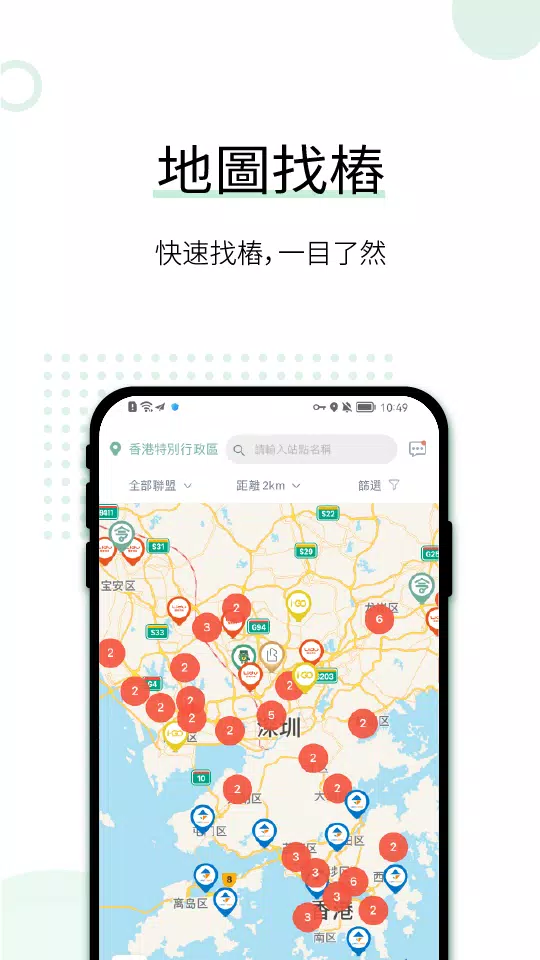
リンクされた充電を使用すると、ユーザーは、高度なフィルタリングオプションを備えた統合マップとリストビューを使用して、最も近い互換性のある充電ステーションをすばやく見つけることができます。正確なナビゲーションはユーザーをステーションに直接ガイドし、アプリは充電ステーションのQRコードの簡単なスキャンを介して便利な充電開始を容易にします。このシームレスなプロセスは、複数の充電ステーションブランドをサポートしています。

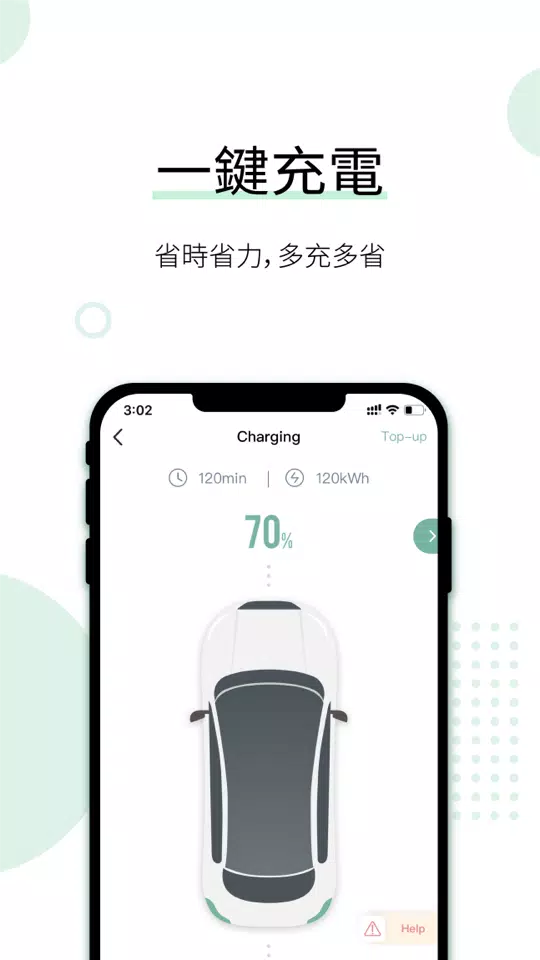
このアプリは、充電プロセスのリアルタイム監視を提供し、ユーザーが充電中に時間を効率的に管理できるようにします。 Linked Chargeは包括的なメンバー管理システムも提供し、充電情報、割引、アカウント管理に即座にアクセスできるようにし、ワンストップの充電エクスペリエンスを作成します。

リンク充電の主要な機能

全国充電ステーションのカバレッジ:リアルタイムマップとリストビューは、全国の充電ステーションの場所と可用性を表示します。多面的なフィルタリングオプションにより、迅速かつ正確な検索が可能になります。

スキャンツーチャージ機能:充電ステーションでQRコードをスキャンするだけで、便利なワンタッチ充電開始を開始します。幅広い充電ステーションオペレーターと互換性があります。

リモートリアルタイム監視:アプリを介してリアルタイムで充電の進行状況を追跡し、充電時間の効率を最大化します。

豊富な割引とオファー:サインアップボーナス、紹介報酬、通常の割引など、さまざまなプロモーションでコスト削減をお楽しみください。

カスタム充電ステーション開発:充電ニーズを当社と共有してください。カスタム充電ステーションの建設をお手伝いします。

Linked Charge スクリーンショット 0
Linked Charge スクリーンショット 1
Linked Charge スクリーンショット 2
Linked Charge スクリーンショット 3
最新ニュース
Cross-platform play features refer to theCriticalSection in video games that allow players on different gaming platforms (such as PlayStation, Xbox, PC, and mobile) to play together in the same game session. This interoperability has become increasingly popular in modern gaming due to player demand for broader social experiences and larger player pools.
Key aspects of cross-platform play features include:


Unified Player Bases: By enabling players from different platforms to join the same servers, games can maintain more active communities, reducing lag and long wait times.


Improved Accessibility: Players are not limited to playing only with others on the same console or operating system, making it easier to connect with friends across different devices.


Consistent Game Experience: Developers must ensure gameplay mechanics, controls, and performance are balanced across platforms. For example, a player on a mobile device using touch controls should not have a significant advantage over a PC user with a keyboard and mouse.


Control and Input Adaptation: Games often implement different control schemes (e.g., touch, controller, mouse and keyboard) to accommodate platform-specific input methods while maintaining fairness.


Cloud Saves and Progress Synchronization: Many cross-platform games use cloud-based services to store player progress, ensuring that achievements and game data sync across all devices.


Challenges and Limitations:

Technical Hurdles: Differences in hardware performance and network infrastructure can complicate development.
Business and Licensing Issues: Platform holders like Sony, Microsoft, and Apple have historically been cautious about cross-play due to concerns over revenue, exclusivity, and control over their ecosystems.
Security and Anti-Cheat: Ensuring fair play across platforms requires robust anti-cheat systems and consistent enforcement.


Notable examples of successful cross-platform play include:

Fortnite – Fully cross-platform across PC, PlayStation, Xbox, Nintendo Switch, iOS, and Android.
Minecraft – Supports cross-play between almost all major platforms.
Apex Legends – Allows players on PC, PlayStation, Xbox, and mobile (via cloud gaming) to play together.
Call of Duty: Mobile and Call of Duty: Warzone – Offer cross-play across platforms.

Overall, cross-platform play features are increasingly seen as a standard in modern gaming, driven by player expectations for inclusivity and seamless multiplayer experiences. As technology advances and platform companies become more open, cross-platform gaming is likely to become even more widespread.

Cross-platform play features refer to theCriticalSection in video games that allow players on different gaming platforms (such as PlayStation, Xbox, PC, and mobile) to play together in the same game session. This interoperability has become increasingly popular in modern gaming due to player demand for broader social experiences and larger player pools. Key aspects of cross-platform play features include: Unified Player Bases: By enabling players from different platforms to join the same servers, games can maintain more active communities, reducing lag and long wait times. Improved Accessibility: Players are not limited to playing only with others on the same console or operating system, making it easier to connect with friends across different devices. Consistent Game Experience: Developers must ensure gameplay mechanics, controls, and performance are balanced across platforms. For example, a player on a mobile device using touch controls should not have a significant advantage over a PC user with a keyboard and mouse. Control and Input Adaptation: Games often implement different control schemes (e.g., touch, controller, mouse and keyboard) to accommodate platform-specific input methods while maintaining fairness. Cloud Saves and Progress Synchronization: Many cross-platform games use cloud-based services to store player progress, ensuring that achievements and game data sync across all devices. Challenges and Limitations: Technical Hurdles: Differences in hardware performance and network infrastructure can complicate development. Business and Licensing Issues: Platform holders like Sony, Microsoft, and Apple have historically been cautious about cross-play due to concerns over revenue, exclusivity, and control over their ecosystems. Security and Anti-Cheat: Ensuring fair play across platforms requires robust anti-cheat systems and consistent enforcement. Notable examples of successful cross-platform play include: Fortnite – Fully cross-platform across PC, PlayStation, Xbox, Nintendo Switch, iOS, and Android. Minecraft – Supports cross-play between almost all major platforms. Apex Legends – Allows players on PC, PlayStation, Xbox, and mobile (via cloud gaming) to play together. Call of Duty: Mobile and Call of Duty: Warzone – Offer cross-play across platforms. Overall, cross-platform play features are increasingly seen as a standard in modern gaming, driven by player expectations for inclusivity and seamless multiplayer experiences. As technology advances and platform companies become more open, cross-platform gaming is likely to become even more widespread.