
>  ゲーム >  カジュアル >  Mini Block Craft 2
Mini Block Craft 2

Mini Block Craft 2

カテゴリー : カジュアルバージョン: 12.2.2.2

サイズ:138.5 MBOS : Android 5.0+

開発者:Build Block Studio

5.0
ダウンロード
アプリケーションの説明

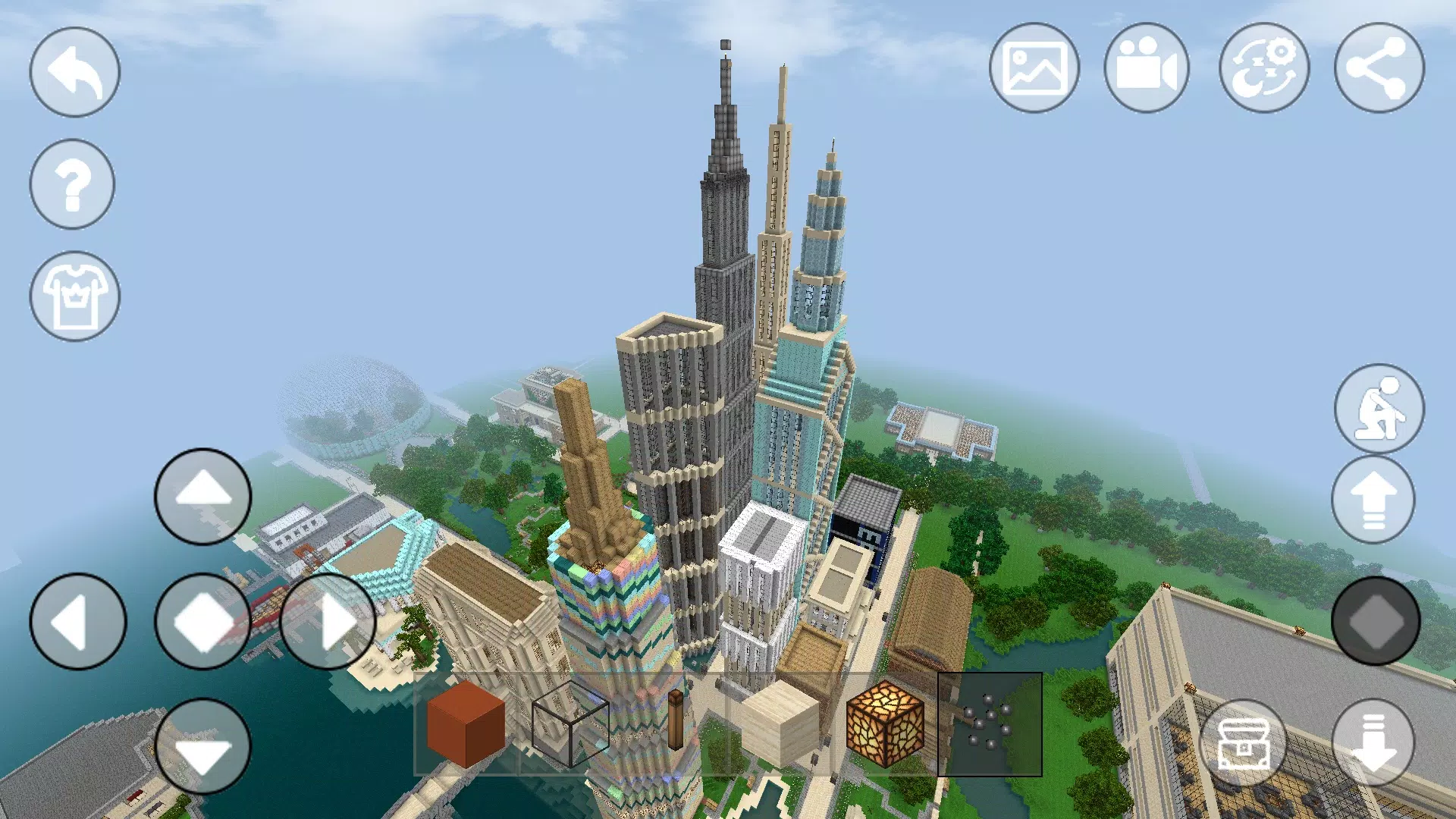
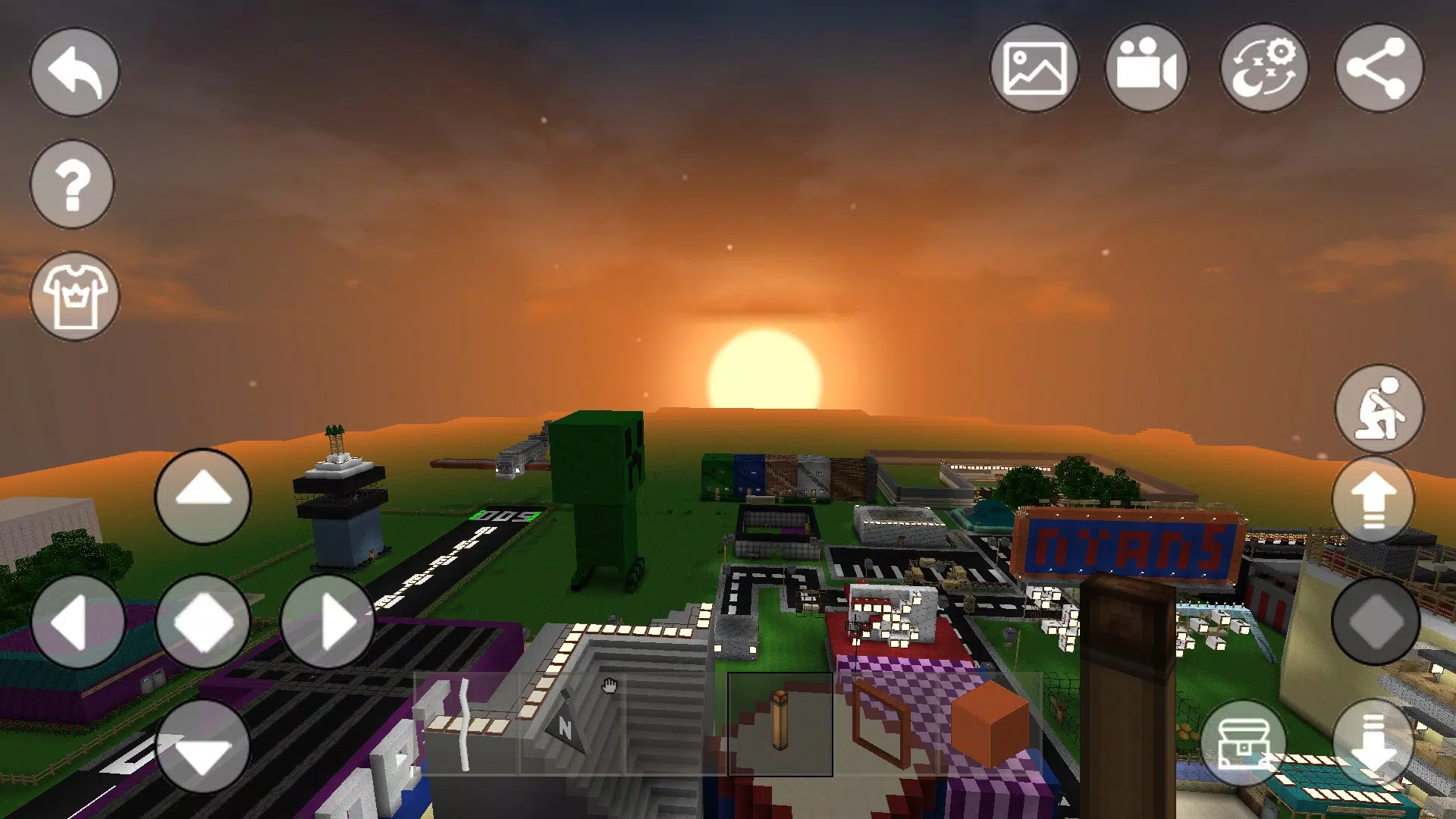
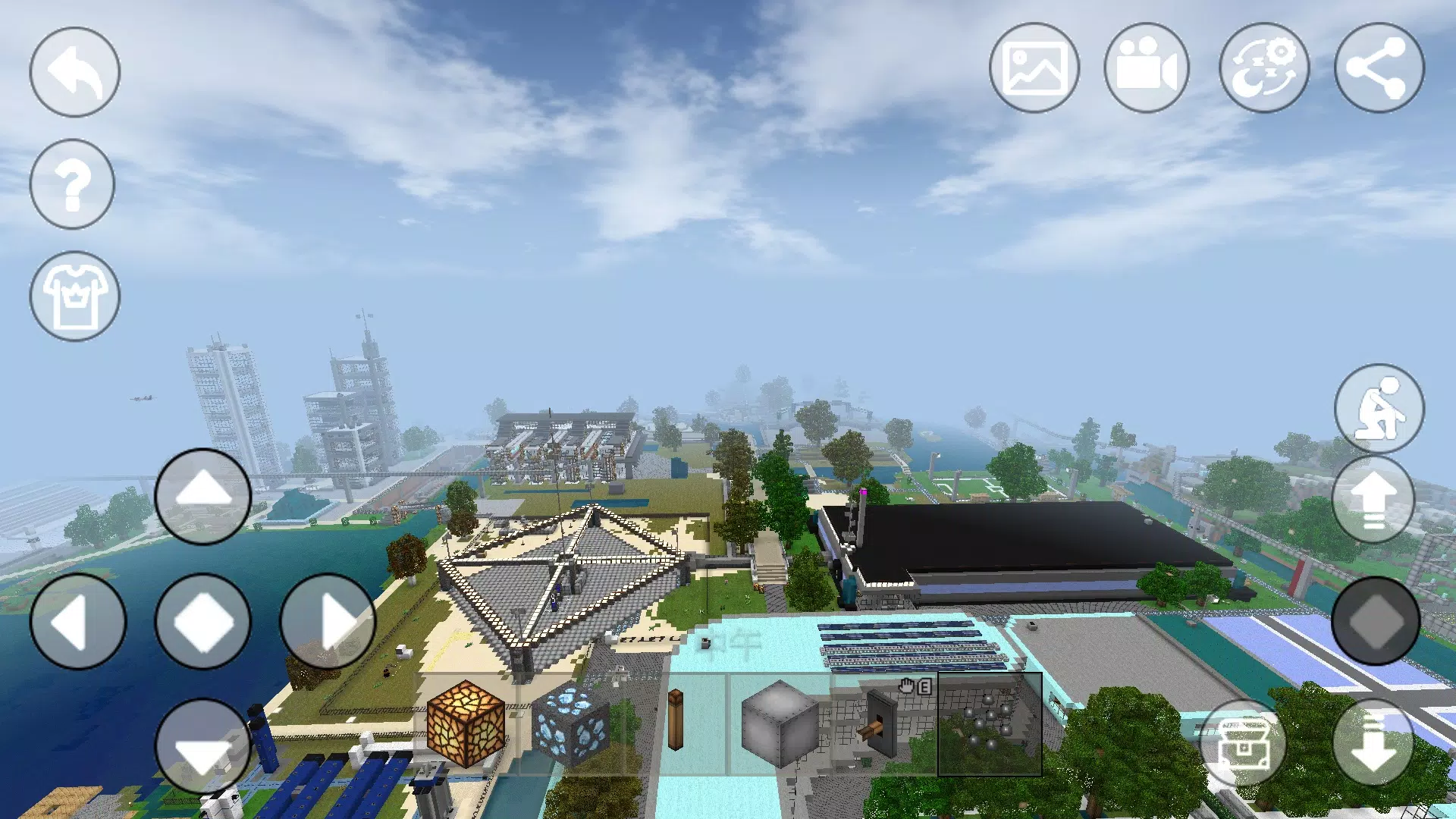
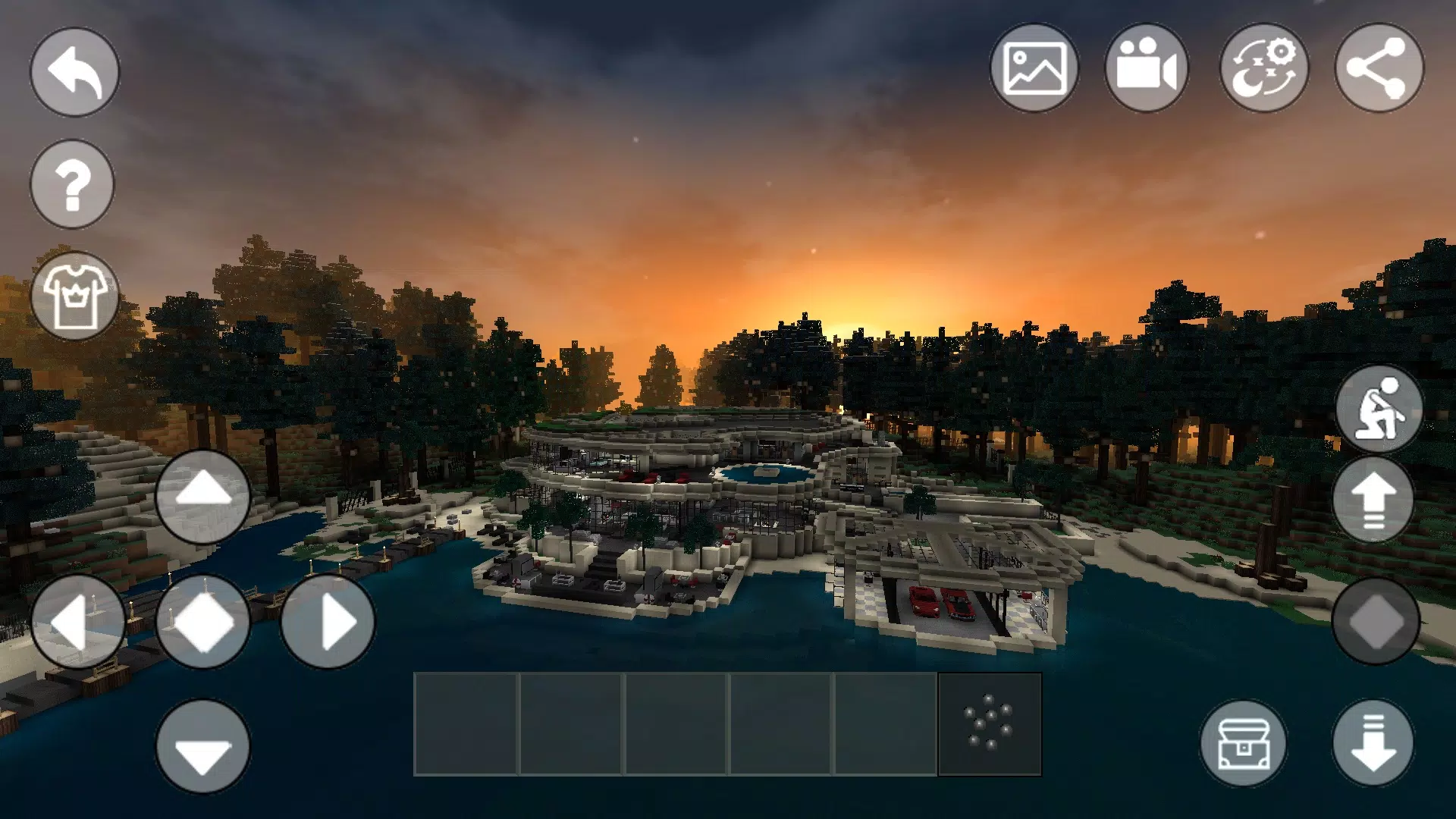
Mini Block Craft 2Mini Block Craft 2023とも呼ばれる)の魅惑的な世界に飛び込みます。これは、創造的な夢を実現するために時間とともに綿密に開発されたサンドボックスのクラフトと建物のゲームです。このピクセル化されたオープンワールドブロックゲームでは、可能性は無限です。ブロックを建築材料に変換したり、夢の家を作り上げたり、危険なモンスターやゾンビと対戦する広大な地図を探索したりするために冒険する力があります。クラフト、構築、探索の気分であれ、 Mini Block Craft 2は、想像力が走ることができる没入型の生きた世界を提供します。

ミニブロッククラフト2で内なるクラフトの神を解き放ちます。ここでは、新しい領土を探索し、リソースを集め、帝国を発展させるために使用できます。そびえ立つ都市の建設から新しいガジェットの発明まで、このゲームは無限の創造性と戦略的計画を奨励しています。

Mini Block Craft 2は公式のMojangアプリケーションではなく、Minecraft Pocket Editionに関連付けられておらず、接続されていないことに注意してください。 MinecraftはMojangの商標であり、 Mini Block Craft 2またはそのライセンサーの作成者によって承認されていないか、承認されていません。

最新バージョン12.2.2.mc2の新しいもの

2024年3月9日に最後に更新されました

  • v 12.2.2.mc2:新しいミニブロッククラフト2修正gdpr
  • v 9.2.2.mc2:新しいミニブロッククラフト2修正ロードゲームエラー
  • V 2.2.2.MC2:新しいミニブロッククラフト2(ミニブロッククラフト2023)がリリースされました!
  • V 4.2.2.mc2:
    1. Uppack Worlds Resourcesのバグを修正します。
    2. DIGブロックタイムバグを修正します。
  • v 7.2.2.mc2:バグを修正します。
Mini Block Craft 2 スクリーンショット 0
Mini Block Craft 2 スクリーンショット 1
Mini Block Craft 2 スクリーンショット 2
Mini Block Craft 2 スクリーンショット 3
最新ニュース
Cross-platform play features refer to theCriticalSection in video games that allow players on different gaming platforms (such as PlayStation, Xbox, PC, and mobile) to play together in the same game session. This interoperability has become increasingly popular in modern gaming due to player demand for broader social experiences and larger player pools.
Key aspects of cross-platform play features include:


Unified Player Bases: By enabling players from different platforms to join the same servers, games can maintain more active communities, reducing lag and long wait times.


Improved Accessibility: Players are not limited to playing only with others on the same console or operating system, making it easier to connect with friends across different devices.


Consistent Game Experience: Developers must ensure gameplay mechanics, controls, and performance are balanced across platforms. For example, a player on a mobile device using touch controls should not have a significant advantage over a PC user with a keyboard and mouse.


Control and Input Adaptation: Games often implement different control schemes (e.g., touch, controller, mouse and keyboard) to accommodate platform-specific input methods while maintaining fairness.


Cloud Saves and Progress Synchronization: Many cross-platform games use cloud-based services to store player progress, ensuring that achievements and game data sync across all devices.


Challenges and Limitations:

Technical Hurdles: Differences in hardware performance and network infrastructure can complicate development.
Business and Licensing Issues: Platform holders like Sony, Microsoft, and Apple have historically been cautious about cross-play due to concerns over revenue, exclusivity, and control over their ecosystems.
Security and Anti-Cheat: Ensuring fair play across platforms requires robust anti-cheat systems and consistent enforcement.


Notable examples of successful cross-platform play include:

Fortnite – Fully cross-platform across PC, PlayStation, Xbox, Nintendo Switch, iOS, and Android.
Minecraft – Supports cross-play between almost all major platforms.
Apex Legends – Allows players on PC, PlayStation, Xbox, and mobile (via cloud gaming) to play together.
Call of Duty: Mobile and Call of Duty: Warzone – Offer cross-play across platforms.

Overall, cross-platform play features are increasingly seen as a standard in modern gaming, driven by player expectations for inclusivity and seamless multiplayer experiences. As technology advances and platform companies become more open, cross-platform gaming is likely to become even more widespread.

Cross-platform play features refer to theCriticalSection in video games that allow players on different gaming platforms (such as PlayStation, Xbox, PC, and mobile) to play together in the same game session. This interoperability has become increasingly popular in modern gaming due to player demand for broader social experiences and larger player pools. Key aspects of cross-platform play features include: Unified Player Bases: By enabling players from different platforms to join the same servers, games can maintain more active communities, reducing lag and long wait times. Improved Accessibility: Players are not limited to playing only with others on the same console or operating system, making it easier to connect with friends across different devices. Consistent Game Experience: Developers must ensure gameplay mechanics, controls, and performance are balanced across platforms. For example, a player on a mobile device using touch controls should not have a significant advantage over a PC user with a keyboard and mouse. Control and Input Adaptation: Games often implement different control schemes (e.g., touch, controller, mouse and keyboard) to accommodate platform-specific input methods while maintaining fairness. Cloud Saves and Progress Synchronization: Many cross-platform games use cloud-based services to store player progress, ensuring that achievements and game data sync across all devices. Challenges and Limitations: Technical Hurdles: Differences in hardware performance and network infrastructure can complicate development. Business and Licensing Issues: Platform holders like Sony, Microsoft, and Apple have historically been cautious about cross-play due to concerns over revenue, exclusivity, and control over their ecosystems. Security and Anti-Cheat: Ensuring fair play across platforms requires robust anti-cheat systems and consistent enforcement. Notable examples of successful cross-platform play include: Fortnite – Fully cross-platform across PC, PlayStation, Xbox, Nintendo Switch, iOS, and Android. Minecraft – Supports cross-play between almost all major platforms. Apex Legends – Allows players on PC, PlayStation, Xbox, and mobile (via cloud gaming) to play together. Call of Duty: Mobile and Call of Duty: Warzone – Offer cross-play across platforms. Overall, cross-platform play features are increasingly seen as a standard in modern gaming, driven by player expectations for inclusivity and seamless multiplayer experiences. As technology advances and platform companies become more open, cross-platform gaming is likely to become even more widespread.