
>  アプリ >  ビジネスオフィス >  QmailClient
QmailClient

QmailClient

カテゴリー : ビジネスオフィスバージョン: 2.3.3.0807

サイズ:15.90MOS : Android 5.1 or later

開発者:QNAP

4.4
ダウンロード
アプリケーションの説明

QmailClient を使用してすべてのメールに簡単にアクセスできます

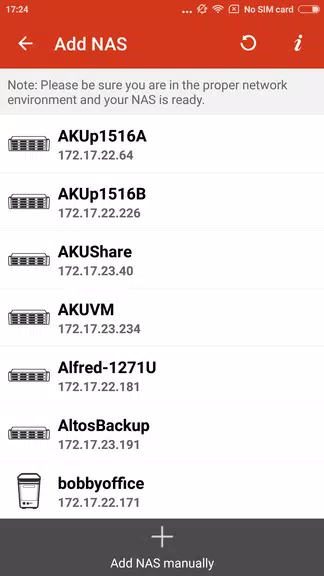
革新的な QmailClient アプリでメール管理エクスペリエンスを統合します。 QNAP NAS 上の電子メール アカウントをモバイル デバイスにシームレスに接続し、簡単な電子メール処理のために設計された一連の機能のロックを解除します。

QmailClient の特徴:

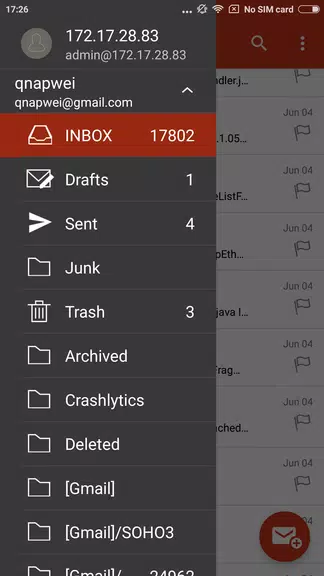
  • 統合電子メール管理: 単一の便利な場所から QNAP NAS 上のすべての電子メール アカウントにアクセスします。
  • モバイル添付ファイルのサポート: 簡単に添付メールの作成中にモバイル デバイスからの写真。
  • オフライン読み取り: NAS からモバイル デバイスに電子メールをキャッシュして、オフラインでアクセスできるようにし、中断のない読み取りを確保します。
  • 簡単なメール管理: 読み取り、返信、転送、移動などの重要な操作を実行します。 、モバイル デバイスから直接メールにフラグを立て、マーク付けし、削除します。

に関するヒントユーザー:

  • メール アカウントを QNAP NAS と同期して、すべてのメールを 1 か所に統合​​します。
  • モバイル添付機能を利用して、外出先でも写真を追加してメールを強化します。
  • 旅行中やインターネット接続が制限されているときにオフラインで読むために、事前に添付ファイルをモバイル デバイスにダウンロードしてください。
  • 包括的な機能を活用します。モバイル デバイスでメールを効率的に管理するためにアプリで利用できるアクション。

結論:

QmailClient アプリは、QNAP NAS ユーザーの電子メール管理に革命をもたらします。このユーザーフレンドリーなアプリを使用すると、整理整頓を行い、いつでもどこでもメールにアクセスし、オフラインで読むことができます。今すぐダウンロードしてメールのワークフローを合理化し、必要なものすべてをすぐに手に入れましょう。
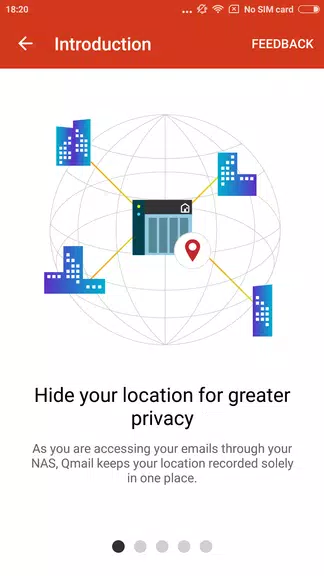
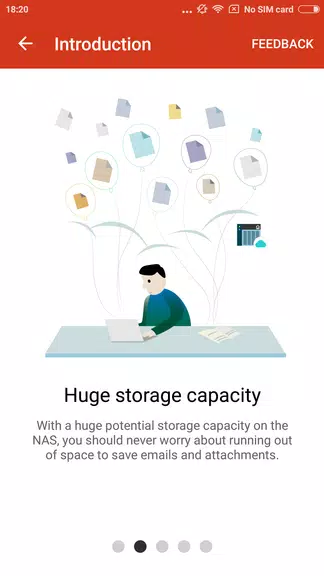
QmailClient スクリーンショット 0
QmailClient スクリーンショット 1
QmailClient スクリーンショット 2
QmailClient スクリーンショット 3
最新ニュース
Cross-platform play features refer to theCriticalSection in video games that allow players on different gaming platforms (such as PlayStation, Xbox, PC, and mobile) to play together in the same game session. This interoperability has become increasingly popular in modern gaming due to player demand for broader social experiences and larger player pools.
Key aspects of cross-platform play features include:


Unified Player Bases: By enabling players from different platforms to join the same servers, games can maintain more active communities, reducing lag and long wait times.


Improved Accessibility: Players are not limited to playing only with others on the same console or operating system, making it easier to connect with friends across different devices.


Consistent Game Experience: Developers must ensure gameplay mechanics, controls, and performance are balanced across platforms. For example, a player on a mobile device using touch controls should not have a significant advantage over a PC user with a keyboard and mouse.


Control and Input Adaptation: Games often implement different control schemes (e.g., touch, controller, mouse and keyboard) to accommodate platform-specific input methods while maintaining fairness.


Cloud Saves and Progress Synchronization: Many cross-platform games use cloud-based services to store player progress, ensuring that achievements and game data sync across all devices.


Challenges and Limitations:

Technical Hurdles: Differences in hardware performance and network infrastructure can complicate development.
Business and Licensing Issues: Platform holders like Sony, Microsoft, and Apple have historically been cautious about cross-play due to concerns over revenue, exclusivity, and control over their ecosystems.
Security and Anti-Cheat: Ensuring fair play across platforms requires robust anti-cheat systems and consistent enforcement.


Notable examples of successful cross-platform play include:

Fortnite – Fully cross-platform across PC, PlayStation, Xbox, Nintendo Switch, iOS, and Android.
Minecraft – Supports cross-play between almost all major platforms.
Apex Legends – Allows players on PC, PlayStation, Xbox, and mobile (via cloud gaming) to play together.
Call of Duty: Mobile and Call of Duty: Warzone – Offer cross-play across platforms.

Overall, cross-platform play features are increasingly seen as a standard in modern gaming, driven by player expectations for inclusivity and seamless multiplayer experiences. As technology advances and platform companies become more open, cross-platform gaming is likely to become even more widespread.

Cross-platform play features refer to theCriticalSection in video games that allow players on different gaming platforms (such as PlayStation, Xbox, PC, and mobile) to play together in the same game session. This interoperability has become increasingly popular in modern gaming due to player demand for broader social experiences and larger player pools. Key aspects of cross-platform play features include: Unified Player Bases: By enabling players from different platforms to join the same servers, games can maintain more active communities, reducing lag and long wait times. Improved Accessibility: Players are not limited to playing only with others on the same console or operating system, making it easier to connect with friends across different devices. Consistent Game Experience: Developers must ensure gameplay mechanics, controls, and performance are balanced across platforms. For example, a player on a mobile device using touch controls should not have a significant advantage over a PC user with a keyboard and mouse. Control and Input Adaptation: Games often implement different control schemes (e.g., touch, controller, mouse and keyboard) to accommodate platform-specific input methods while maintaining fairness. Cloud Saves and Progress Synchronization: Many cross-platform games use cloud-based services to store player progress, ensuring that achievements and game data sync across all devices. Challenges and Limitations: Technical Hurdles: Differences in hardware performance and network infrastructure can complicate development. Business and Licensing Issues: Platform holders like Sony, Microsoft, and Apple have historically been cautious about cross-play due to concerns over revenue, exclusivity, and control over their ecosystems. Security and Anti-Cheat: Ensuring fair play across platforms requires robust anti-cheat systems and consistent enforcement. Notable examples of successful cross-platform play include: Fortnite – Fully cross-platform across PC, PlayStation, Xbox, Nintendo Switch, iOS, and Android. Minecraft – Supports cross-play between almost all major platforms. Apex Legends – Allows players on PC, PlayStation, Xbox, and mobile (via cloud gaming) to play together. Call of Duty: Mobile and Call of Duty: Warzone – Offer cross-play across platforms. Overall, cross-platform play features are increasingly seen as a standard in modern gaming, driven by player expectations for inclusivity and seamless multiplayer experiences. As technology advances and platform companies become more open, cross-platform gaming is likely to become even more widespread.