
>  アプリ >  自動車と乗り物 >  VR Garage
VR Garage

VR Garage

カテゴリー : 自動車と乗り物バージョン: 2.0.37

サイズ:35.1 MBOS : Android 6.0+

開発者:V2R Autoinfinite Private Limited

4.7
ダウンロード
アプリケーションの説明

ガレージビジネスをVRガレージを備えた利益を生み出すマシンに変換してください! 360度のガレージ管理ソリューションは、あらゆるサイズのマルチブランド自転車と車のワークショップをエンドツーエンドのサポートを提供します。

VRガレージは、日常業務と高度なレポートのための強力でユーザーフレンドリーなツールであなたの成長を強化する第1位の管理ソリューションです。世界中のどこからでもビジネスパフォーマンスを監視し、収益性について貴重な洞察を得てください。

誰が利益を得ますか?

VRガレージは、小規模なマルチブランド操作から大規模なマルチブランド操作まで、さまざまなワークショップを提供しています。これには、自動車の起業家、ワークショップマネージャー、サービスセンターの所有者、自動車アクセサリーショップ、ディテールセンター、モバイルメカニクス、独立した技術者、および効率的な管理を求めている自動車サービス業界のすべての人が含まれます。

主な機能:

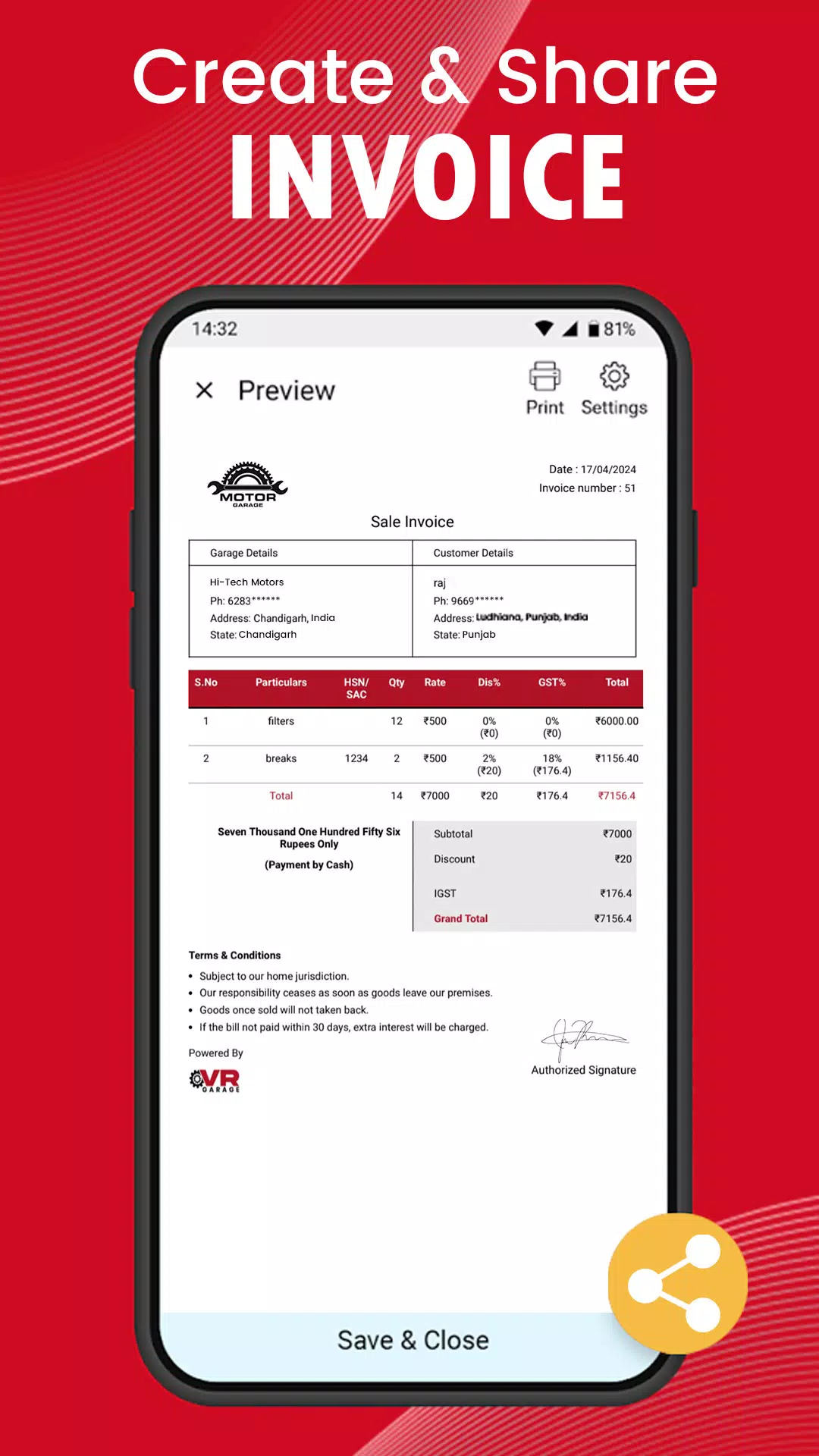
  • 請求書作成と請求管理
  • リアルタイムのジョブカードおよび検査レポートの更新と承認
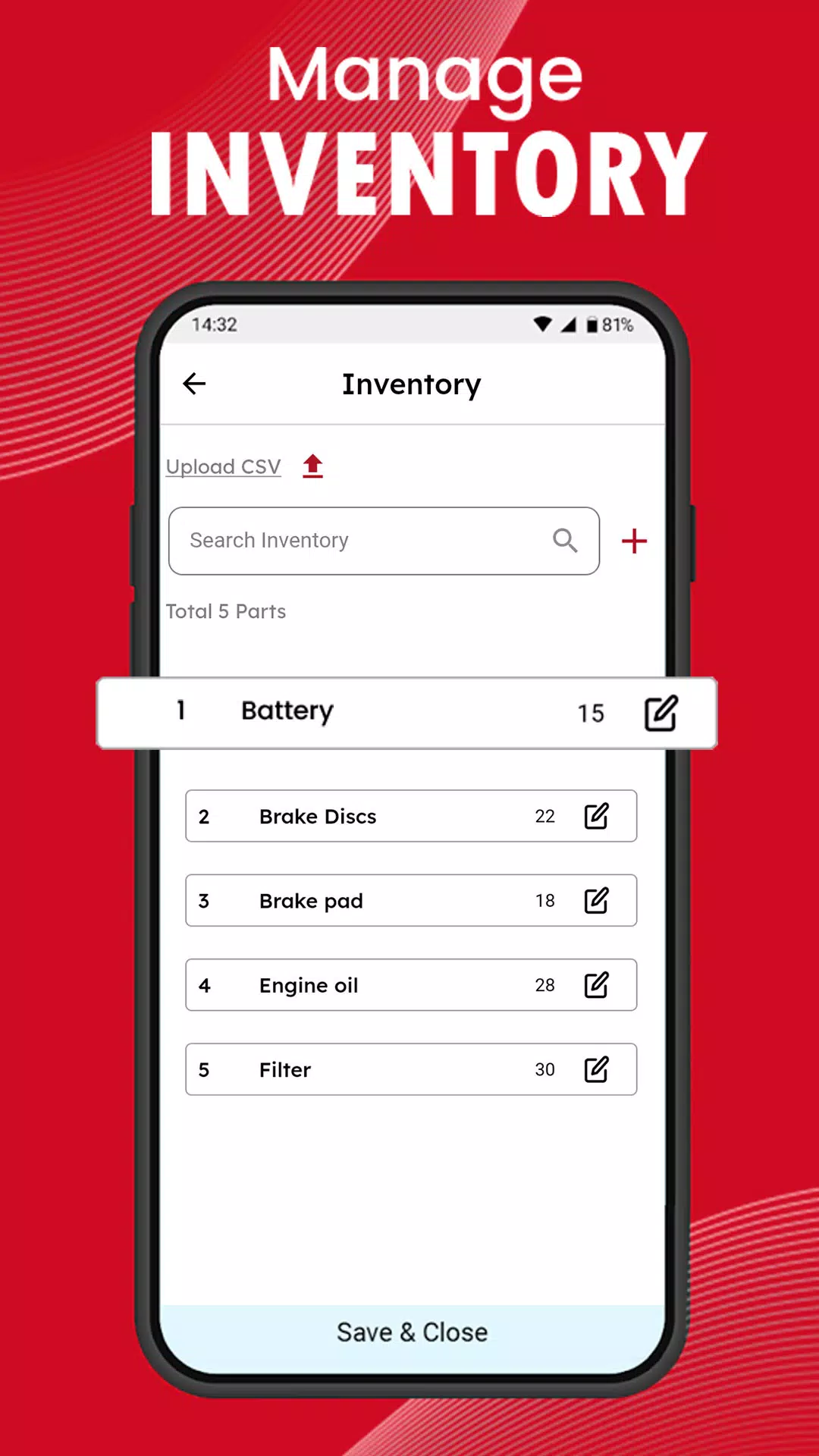
  • 完全な在庫と在庫管理
  • オンライン見積もり許可
  • 財務、アカウント、および監査報告管理
  • 購入、返品、在庫レベルの管理
  • オンラインプラットフォームと簡素化されたCRMを介した統合マーケティング
  • リアルタイムメカニックとスタッフ管理
  • リアルタイムワークショップのパフォーマンス監視
  • プッシュ通知によるサービスと支払いのリマインダー
  • 湾の利用を最大化するための割引作成と管理
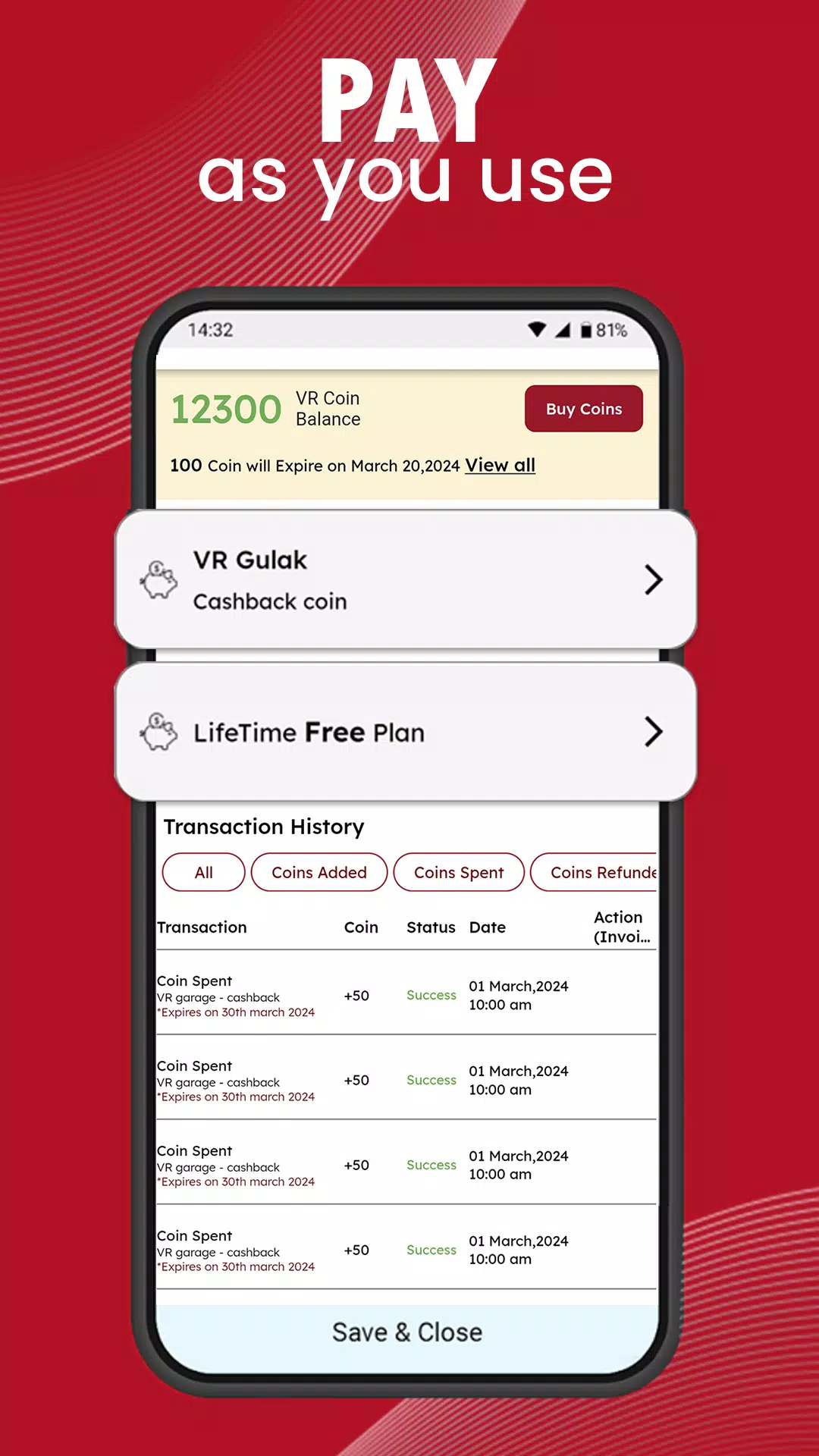
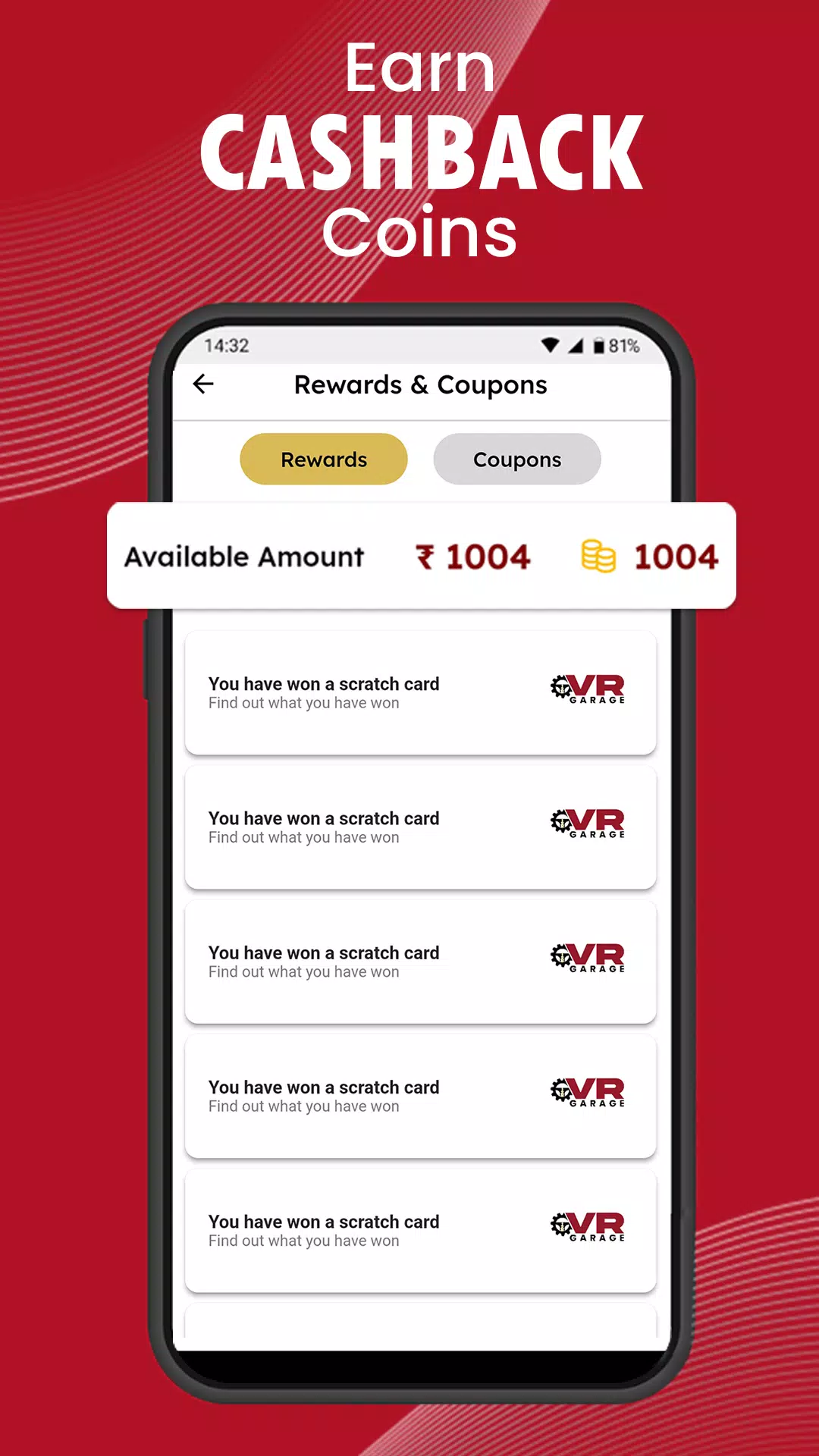
  • 報酬コインと財布システム
  • ガレージプロファイル、写真、評価、価格、割引管理
  • QRコード/Webページデジタルプロファイリング
  • オンラインビジネス統合(vecrep.comなど)
  • 市場動向に基づくダイナミックサービスの提供と価格の調整
  • 実行された作業のデジタルレコードキーピング、顧客のやり取り、および完全な車両履歴
  • リアルタイムの顧客フィードバックコレクション
  • サービスアシストビデオ説明者

なぜVRガレージをダウンロードするのですか?

時間を節約し、お金を節約し、もっと売ってください! VR Garageは、ガレージの専門家 *がガレージの専門家向けに設計した最高層の自動車ビジネス管理ソフトウェアです。すべての機能が特定のニーズを満たしていることを確認します。

  1. 安全なデジタル検査レポート、ジョブカード、請求書を作成します。
  2. ガレージの収益性を高めます。
  3. 顧客の保持を高め、リピートビジネスを生み出します。
  4. スタッフ、在庫、ベンダー、アカウント、および予約の管理時間を節約します。
  5. アプリ内分析とレポートでガレージのパフォーマンスを追跡します。
  6. ハイテクソリューションでデジタルの未来に備えてください。
  7. 車や自転車のジョブカードを作成する柔軟性。
  8. 永遠に無料のアップデート。
  9. あなたのビジネスを後押しするための無料のマーケティングツール。
  10. オンラインvecrep.comビジネス統合。
  11. 経済的なフリーミアムソリューション。

VRガレージは無料でダウンロードでき、生涯無料アクセスを提供します。今すぐアプリをダウンロードしてください!

「デモ、無料トライアル、販売の場合 - 連絡先:[email protected]; call/whatsapp:+91 9041686968」

バージョン2.0.37の新しいもの

2024年11月12日に最後に更新されました

バグの修正と改善。
VR Garage スクリーンショット 0
VR Garage スクリーンショット 1
VR Garage スクリーンショット 2
VR Garage スクリーンショット 3
最新ニュース
Cross-platform play features refer to theCriticalSection in video games that allow players on different gaming platforms (such as PlayStation, Xbox, PC, and mobile) to play together in the same game session. This interoperability has become increasingly popular in modern gaming due to player demand for broader social experiences and larger player pools.
Key aspects of cross-platform play features include:


Unified Player Bases: By enabling players from different platforms to join the same servers, games can maintain more active communities, reducing lag and long wait times.


Improved Accessibility: Players are not limited to playing only with others on the same console or operating system, making it easier to connect with friends across different devices.


Consistent Game Experience: Developers must ensure gameplay mechanics, controls, and performance are balanced across platforms. For example, a player on a mobile device using touch controls should not have a significant advantage over a PC user with a keyboard and mouse.


Control and Input Adaptation: Games often implement different control schemes (e.g., touch, controller, mouse and keyboard) to accommodate platform-specific input methods while maintaining fairness.


Cloud Saves and Progress Synchronization: Many cross-platform games use cloud-based services to store player progress, ensuring that achievements and game data sync across all devices.


Challenges and Limitations:

Technical Hurdles: Differences in hardware performance and network infrastructure can complicate development.
Business and Licensing Issues: Platform holders like Sony, Microsoft, and Apple have historically been cautious about cross-play due to concerns over revenue, exclusivity, and control over their ecosystems.
Security and Anti-Cheat: Ensuring fair play across platforms requires robust anti-cheat systems and consistent enforcement.


Notable examples of successful cross-platform play include:

Fortnite – Fully cross-platform across PC, PlayStation, Xbox, Nintendo Switch, iOS, and Android.
Minecraft – Supports cross-play between almost all major platforms.
Apex Legends – Allows players on PC, PlayStation, Xbox, and mobile (via cloud gaming) to play together.
Call of Duty: Mobile and Call of Duty: Warzone – Offer cross-play across platforms.

Overall, cross-platform play features are increasingly seen as a standard in modern gaming, driven by player expectations for inclusivity and seamless multiplayer experiences. As technology advances and platform companies become more open, cross-platform gaming is likely to become even more widespread.

Cross-platform play features refer to theCriticalSection in video games that allow players on different gaming platforms (such as PlayStation, Xbox, PC, and mobile) to play together in the same game session. This interoperability has become increasingly popular in modern gaming due to player demand for broader social experiences and larger player pools. Key aspects of cross-platform play features include: Unified Player Bases: By enabling players from different platforms to join the same servers, games can maintain more active communities, reducing lag and long wait times. Improved Accessibility: Players are not limited to playing only with others on the same console or operating system, making it easier to connect with friends across different devices. Consistent Game Experience: Developers must ensure gameplay mechanics, controls, and performance are balanced across platforms. For example, a player on a mobile device using touch controls should not have a significant advantage over a PC user with a keyboard and mouse. Control and Input Adaptation: Games often implement different control schemes (e.g., touch, controller, mouse and keyboard) to accommodate platform-specific input methods while maintaining fairness. Cloud Saves and Progress Synchronization: Many cross-platform games use cloud-based services to store player progress, ensuring that achievements and game data sync across all devices. Challenges and Limitations: Technical Hurdles: Differences in hardware performance and network infrastructure can complicate development. Business and Licensing Issues: Platform holders like Sony, Microsoft, and Apple have historically been cautious about cross-play due to concerns over revenue, exclusivity, and control over their ecosystems. Security and Anti-Cheat: Ensuring fair play across platforms requires robust anti-cheat systems and consistent enforcement. Notable examples of successful cross-platform play include: Fortnite – Fully cross-platform across PC, PlayStation, Xbox, Nintendo Switch, iOS, and Android. Minecraft – Supports cross-play between almost all major platforms. Apex Legends – Allows players on PC, PlayStation, Xbox, and mobile (via cloud gaming) to play together. Call of Duty: Mobile and Call of Duty: Warzone – Offer cross-play across platforms. Overall, cross-platform play features are increasingly seen as a standard in modern gaming, driven by player expectations for inclusivity and seamless multiplayer experiences. As technology advances and platform companies become more open, cross-platform gaming is likely to become even more widespread.