
>  ゲーム >  戦略 >  War Agent
War Agent

War Agent

カテゴリー : 戦略バージョン: 1.4

サイズ:45.07MOS : Android 5.1 or later

開発者:Bazinu Inc.

4.1
ダウンロード
アプリケーションの説明

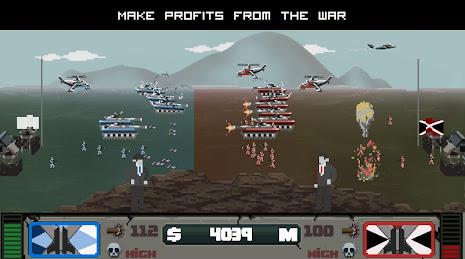
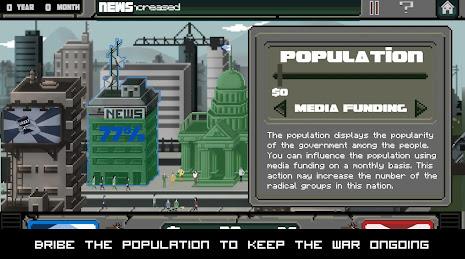
War Agent はスリリングで戦略的な資源管理ゲームで、プレイヤーを道徳的に曖昧な戦争の暴利世界に引き込みます。紛争の瀬戸際にある二国間で緊張が高まる中、勇気ある者たちに混乱を利用するチャンスが訪れる。このペースの速いゲームでは、プレイヤーは狡猾な War Agent の役割を引き受け、予測不可能な結果に満ちた危険な道を進みます。装甲車両、航空機、ミサイル発射装置など、さまざまな武器を自由に使えるため、プレイヤーはリソースを効率的に管理して敵の裏をかいて利益を最大化する必要があります。ただし、貪欲の影響は世界中に波及し、政府、国民、さらにはメディアにまで影響を与える可能性があるため、注意してください。賄賂で政府を操作することを選択しますか、それとも政府を完全に排除することを選択しますか?世論を自分に有利に動かすためにメディアに資金を提供できますか?戦争が激化する中、住民への影響をリアルタイムで目撃し、10 を超える困難なランダム イベントに立ち向かいましょう。臨場感あふれるサウンドと魅惑的な音楽を備えた War Agent は、道徳と権力の境界に疑問を抱かせるスリリングな冒険です。

War Agent の特徴:

  • 幅広い武器: アプリには、装甲車両、航空機、ミサイルランチャーなど、さまざまな武器のオプションが用意されています。プレイヤーはゲーム内でこれらの武器を選択して使用できます。
  • インタラクティブ チュートリアル: アプリには包括的なゲーム内インタラクティブ チュートリアルが含まれているため、ユーザーはゲームプレイの仕組みを理解し、簡単に始めることができます。
  • 複雑な政府と人口システム: このゲームには現実的な政府と人口システムが組み込まれており、進行中の戦争から大きな影響を受けます。ユーザーはリソース管理を成功させるためにこれらの要素を考慮する必要があります。
  • 政府に影響を与える能力: アプリでは、プレイヤーは政府に賄賂を贈ったり、政府を排除したりする権限を持っています。これにより、ゲームプレイにエキサイティングな要素が追加され、ユーザーが戦争の経過と利益を生み出す戦略を形作ることができます。
  • メディアへの影響: ユーザーは、ゲーム内のメディアに資金を提供して影響を与えることができます。人口。この機能は、メディアの力と、それが操作や利益獲得のためのツールとしてどのように使用されるかを示しています。
  • 戦争のリアルタイム結果: このアプリは、現実の状況を表示することで没入型の体験を提供します。 -戦争が国民に与える時間的影響。ユーザーは自分の決定や行動の影響をゲーム内で直接確認できるため、より魅力的で考えさせられるものになります。

結論:

War Agent は、プレイヤーが戦争で暴利を貪る世界を深く掘り下げることができるスリリングな資源管理ゲームです。幅広い武器、複雑な政府と人口システム、そしてその両方を Influence できるこのアプリは、現実的で没入型の体験を提供します。プレイヤーは戦略を立て、利益を上げ、自分の行動の結果をリアルタイムで目撃することができます。テンポの速い魅力的なゲームをお探しの場合は、今すぐクリックして War Agent をダウンロードし、利益をめぐる戦いで勝利を収めましょう。
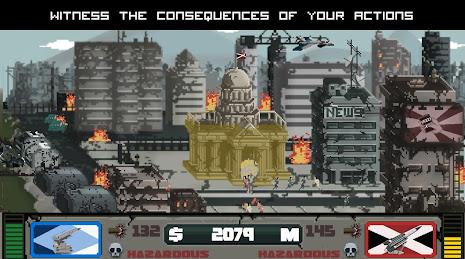

War Agent スクリーンショット 0
War Agent スクリーンショット 1
War Agent スクリーンショット 2
War Agent スクリーンショット 3
最新ニュース
Cross-platform play features refer to theCriticalSection in video games that allow players on different gaming platforms (such as PlayStation, Xbox, PC, and mobile) to play together in the same game session. This interoperability has become increasingly popular in modern gaming due to player demand for broader social experiences and larger player pools.
Key aspects of cross-platform play features include:


Unified Player Bases: By enabling players from different platforms to join the same servers, games can maintain more active communities, reducing lag and long wait times.


Improved Accessibility: Players are not limited to playing only with others on the same console or operating system, making it easier to connect with friends across different devices.


Consistent Game Experience: Developers must ensure gameplay mechanics, controls, and performance are balanced across platforms. For example, a player on a mobile device using touch controls should not have a significant advantage over a PC user with a keyboard and mouse.


Control and Input Adaptation: Games often implement different control schemes (e.g., touch, controller, mouse and keyboard) to accommodate platform-specific input methods while maintaining fairness.


Cloud Saves and Progress Synchronization: Many cross-platform games use cloud-based services to store player progress, ensuring that achievements and game data sync across all devices.


Challenges and Limitations:

Technical Hurdles: Differences in hardware performance and network infrastructure can complicate development.
Business and Licensing Issues: Platform holders like Sony, Microsoft, and Apple have historically been cautious about cross-play due to concerns over revenue, exclusivity, and control over their ecosystems.
Security and Anti-Cheat: Ensuring fair play across platforms requires robust anti-cheat systems and consistent enforcement.


Notable examples of successful cross-platform play include:

Fortnite – Fully cross-platform across PC, PlayStation, Xbox, Nintendo Switch, iOS, and Android.
Minecraft – Supports cross-play between almost all major platforms.
Apex Legends – Allows players on PC, PlayStation, Xbox, and mobile (via cloud gaming) to play together.
Call of Duty: Mobile and Call of Duty: Warzone – Offer cross-play across platforms.

Overall, cross-platform play features are increasingly seen as a standard in modern gaming, driven by player expectations for inclusivity and seamless multiplayer experiences. As technology advances and platform companies become more open, cross-platform gaming is likely to become even more widespread.

Cross-platform play features refer to theCriticalSection in video games that allow players on different gaming platforms (such as PlayStation, Xbox, PC, and mobile) to play together in the same game session. This interoperability has become increasingly popular in modern gaming due to player demand for broader social experiences and larger player pools. Key aspects of cross-platform play features include: Unified Player Bases: By enabling players from different platforms to join the same servers, games can maintain more active communities, reducing lag and long wait times. Improved Accessibility: Players are not limited to playing only with others on the same console or operating system, making it easier to connect with friends across different devices. Consistent Game Experience: Developers must ensure gameplay mechanics, controls, and performance are balanced across platforms. For example, a player on a mobile device using touch controls should not have a significant advantage over a PC user with a keyboard and mouse. Control and Input Adaptation: Games often implement different control schemes (e.g., touch, controller, mouse and keyboard) to accommodate platform-specific input methods while maintaining fairness. Cloud Saves and Progress Synchronization: Many cross-platform games use cloud-based services to store player progress, ensuring that achievements and game data sync across all devices. Challenges and Limitations: Technical Hurdles: Differences in hardware performance and network infrastructure can complicate development. Business and Licensing Issues: Platform holders like Sony, Microsoft, and Apple have historically been cautious about cross-play due to concerns over revenue, exclusivity, and control over their ecosystems. Security and Anti-Cheat: Ensuring fair play across platforms requires robust anti-cheat systems and consistent enforcement. Notable examples of successful cross-platform play include: Fortnite – Fully cross-platform across PC, PlayStation, Xbox, Nintendo Switch, iOS, and Android. Minecraft – Supports cross-play between almost all major platforms. Apex Legends – Allows players on PC, PlayStation, Xbox, and mobile (via cloud gaming) to play together. Call of Duty: Mobile and Call of Duty: Warzone – Offer cross-play across platforms. Overall, cross-platform play features are increasingly seen as a standard in modern gaming, driven by player expectations for inclusivity and seamless multiplayer experiences. As technology advances and platform companies become more open, cross-platform gaming is likely to become even more widespread.