
>  アプリ >  おしゃれな生活 >  YI IoT
YI IoT

YI IoT

カテゴリー : おしゃれな生活バージョン: 4.2.820240306

サイズ:135.57MOS : Android 5.1 or later

開発者:ANTS TECHNOLOGY (HK) LIMITED

4
ダウンロード
アプリケーションの説明

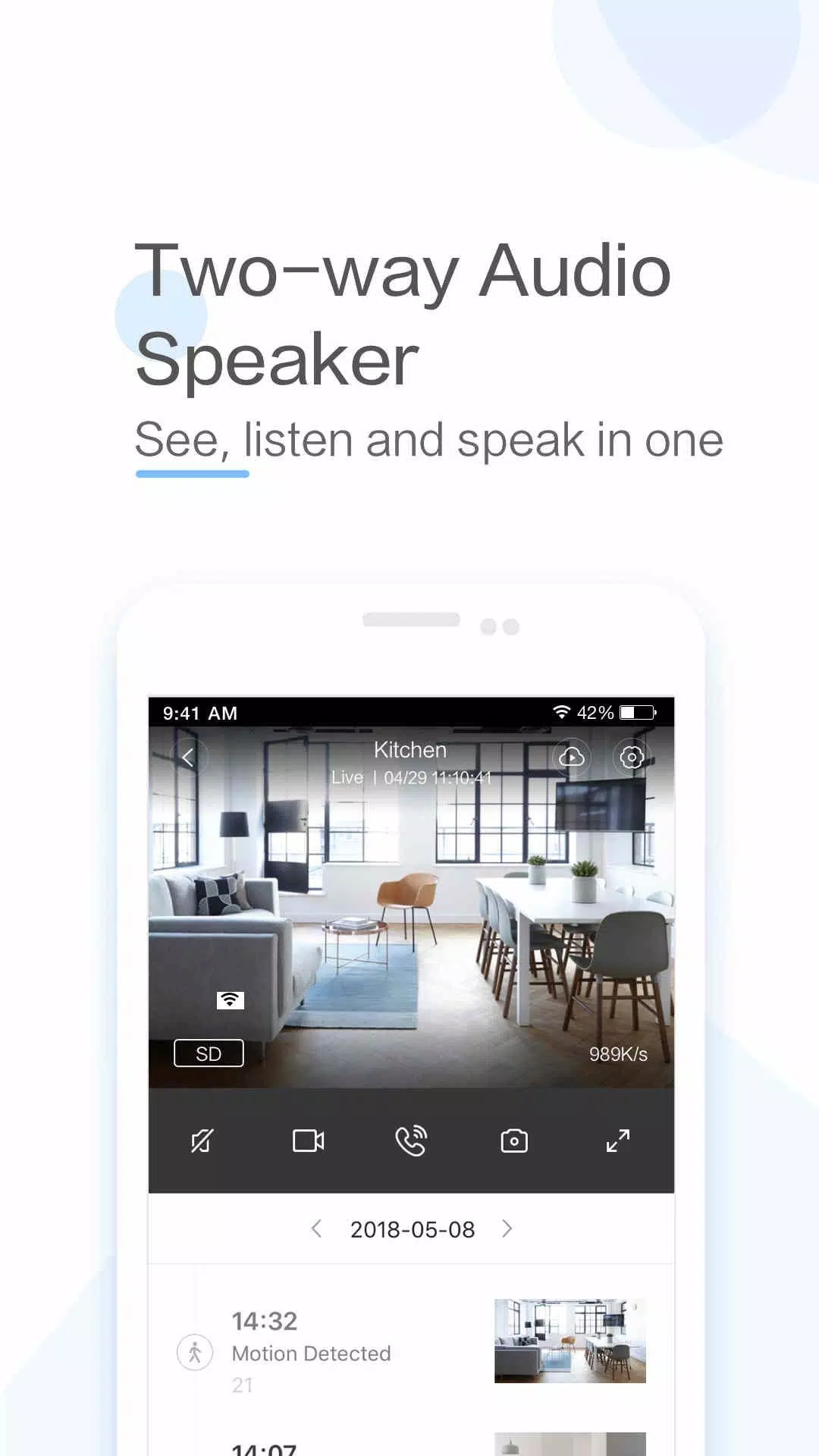
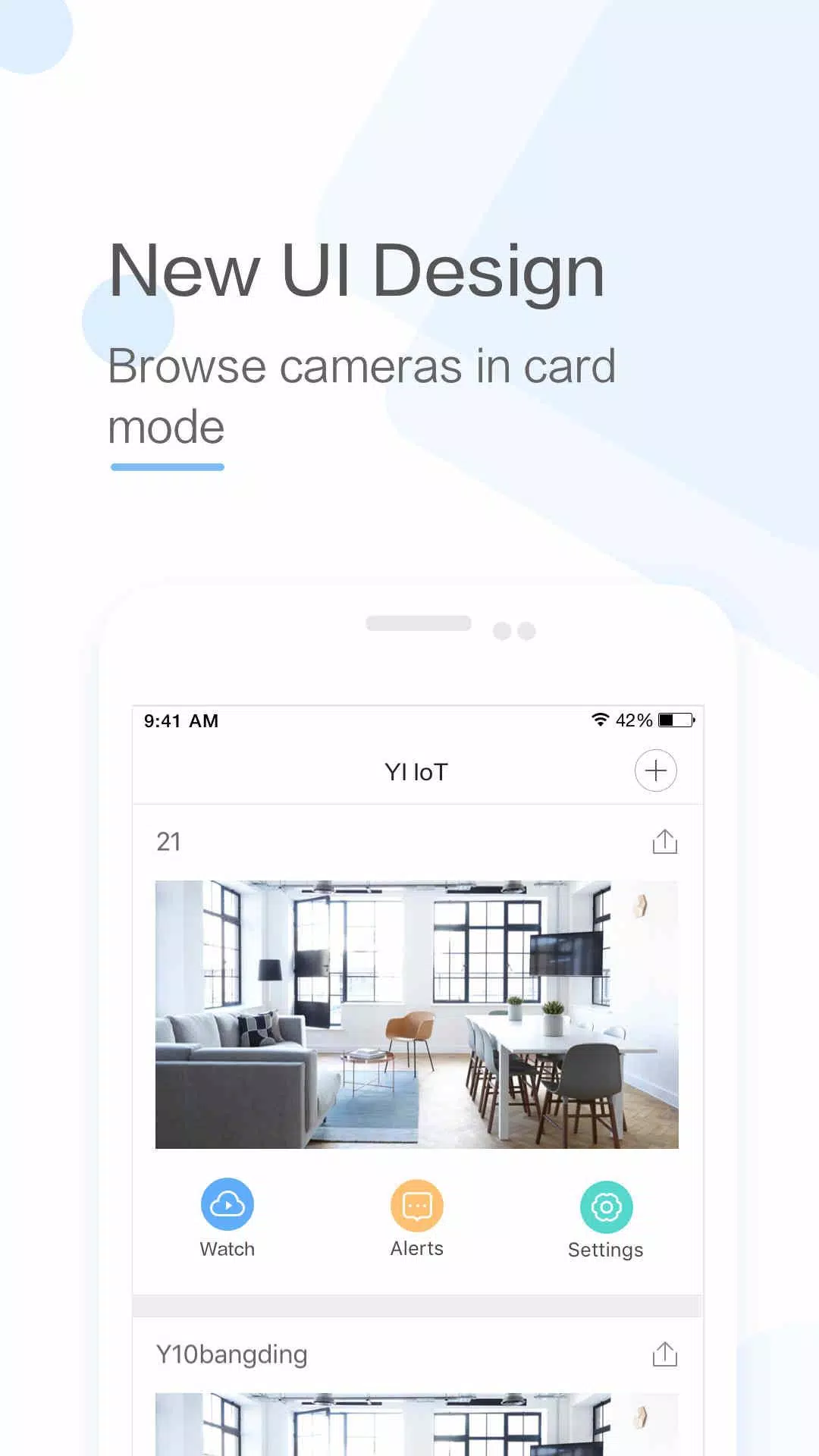
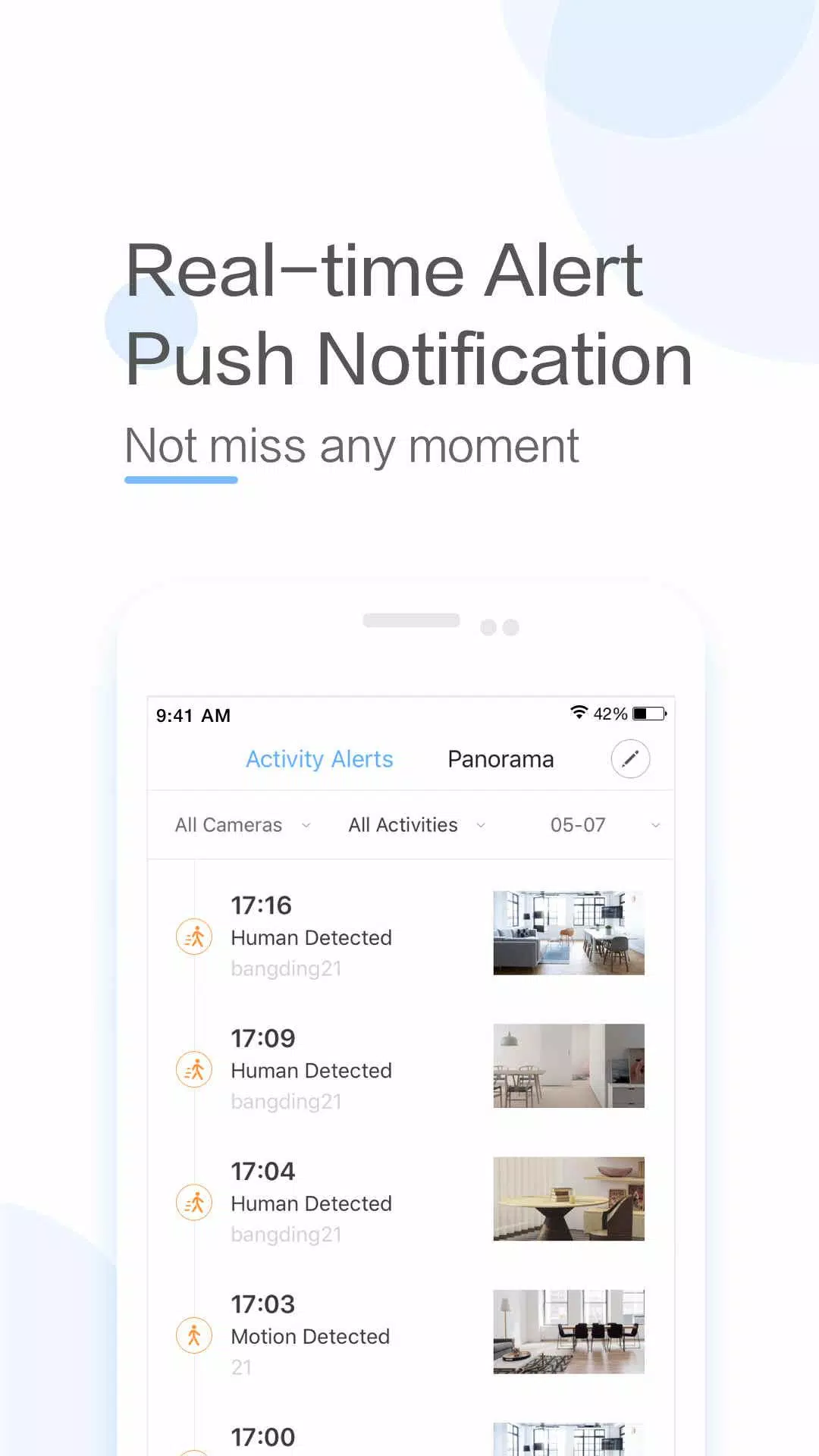
Yi IoTは、最先端のスマートカメラアプリであり、自宅にシームレスに接続し、世界中のどこからでもリアルタイムのビデオとオーディオを通じて環境を監視およびやり取りできます。ペットをチェックインしたり、家の安全を確保したり、家族とのつながりを維持したりするかどうかにかかわらず、Yi IoTは、さまざまな機能を備えた堅牢なソリューションを提供します。愛する人と通信できる双方向のオーディオから、あらゆるアクティビティを通知し続けるモーション検出アラートまで、アプリは包括的なホームモニタリングを提供します。屋内、屋外、ドームモデルなど、さまざまなYIカメラと互換性があるため、家のあらゆる角度を覆うことができます。直感的なインターフェース、クラウドストレージオプション、スマート検出機能により、Yi IoTは、家のセキュリティを強化し、安心を維持するための信頼できる選択肢として際立っています。

Yi IoTの特徴:

>どこにいても、リアルタイムのビデオとオーディオを通じて家族と簡単につながります。

>モバイルデバイスを簡単にタップして、愛する人と双方向の会話をします。

>明確で大きな音声品質を保証する特別に設計されたマイクおよびスピーカーシステムの恩恵を受ける。

>視聴体験を向上させるために、左右にモバイルデバイスをパンすることにより、完全なパノラマビューを体験してください。

>アプリのジャイロスコープサポートを利用して、携帯電話のオリエンテーションに合わせて、すべてのコーナーを簡単に監視できます。

>一定のつながりを維持し、Yi IoTアプリであなたの愛する人に目を光らせてください。

結論:

Yi IoTは、リアルタイムのビデオとオーディオを通じて家族とのつながりを維持するための究極のアプリです。遠くからの双方向の会話を可能にし、優れた監視のための完全なパノラマビューを提供します。 Gyroscopeサポートなどの高度な機能により、Yi IoTアプリは、自宅の隅々を楽に監視できるようにします。今すぐYi IoTをダウンロードして、つながりを保ち、あなたの家が安全であることを知ってもたらされる心の安らぎを楽しんでください。

このアプリの使用方法:

アプリをダウンロード:Google PlayストアまたはApple App StoreからYi IoTアプリを入手してください。

アプリを起動する:アプリを開き、「+」ボタンをタップして新しいデバイスを追加します。

Wi-Fiに接続する:カメラが電源を入れ、モバイルデバイスがWi-Fiネットワークに接続されていることを確認してください。

QRコードをスキャンします。カメラレンズを配置して、画面に表示されているQRコードをスキャンして、接続を確立します。

カメラに名前を付ける:接続したら、簡単に識別できるようにカメラに名前を付けます。

クラウドストレージのセットアップ:モーショントリガーされたビデオクリップのクラウドストレージをアクティブにするかどうかを決定します。

設定の構成:モーション検出、ビデオ品質、通知などの微調整設定。ニーズに合わせて。

ライブフィードを表示:アプリでカメラを選択して、ライブビデオフィードにアクセスします。

双方向のオーディオを使用してください:双方向オーディオ機能をテストして、カメラの近くの機能と通信します。

高度な設定の探索:スケジューリング、アクティビティゾーン、スマートアラートなどの追加オプションを掘り下げて、監視エクスペリエンスを強化します。
YI IoT スクリーンショット 0
YI IoT スクリーンショット 1
YI IoT スクリーンショット 2
最新ニュース
Cross-platform play features refer to theCriticalSection in video games that allow players on different gaming platforms (such as PlayStation, Xbox, PC, and mobile) to play together in the same game session. This interoperability has become increasingly popular in modern gaming due to player demand for broader social experiences and larger player pools.
Key aspects of cross-platform play features include:


Unified Player Bases: By enabling players from different platforms to join the same servers, games can maintain more active communities, reducing lag and long wait times.


Improved Accessibility: Players are not limited to playing only with others on the same console or operating system, making it easier to connect with friends across different devices.


Consistent Game Experience: Developers must ensure gameplay mechanics, controls, and performance are balanced across platforms. For example, a player on a mobile device using touch controls should not have a significant advantage over a PC user with a keyboard and mouse.


Control and Input Adaptation: Games often implement different control schemes (e.g., touch, controller, mouse and keyboard) to accommodate platform-specific input methods while maintaining fairness.


Cloud Saves and Progress Synchronization: Many cross-platform games use cloud-based services to store player progress, ensuring that achievements and game data sync across all devices.


Challenges and Limitations:

Technical Hurdles: Differences in hardware performance and network infrastructure can complicate development.
Business and Licensing Issues: Platform holders like Sony, Microsoft, and Apple have historically been cautious about cross-play due to concerns over revenue, exclusivity, and control over their ecosystems.
Security and Anti-Cheat: Ensuring fair play across platforms requires robust anti-cheat systems and consistent enforcement.


Notable examples of successful cross-platform play include:

Fortnite – Fully cross-platform across PC, PlayStation, Xbox, Nintendo Switch, iOS, and Android.
Minecraft – Supports cross-play between almost all major platforms.
Apex Legends – Allows players on PC, PlayStation, Xbox, and mobile (via cloud gaming) to play together.
Call of Duty: Mobile and Call of Duty: Warzone – Offer cross-play across platforms.

Overall, cross-platform play features are increasingly seen as a standard in modern gaming, driven by player expectations for inclusivity and seamless multiplayer experiences. As technology advances and platform companies become more open, cross-platform gaming is likely to become even more widespread.

Cross-platform play features refer to theCriticalSection in video games that allow players on different gaming platforms (such as PlayStation, Xbox, PC, and mobile) to play together in the same game session. This interoperability has become increasingly popular in modern gaming due to player demand for broader social experiences and larger player pools. Key aspects of cross-platform play features include: Unified Player Bases: By enabling players from different platforms to join the same servers, games can maintain more active communities, reducing lag and long wait times. Improved Accessibility: Players are not limited to playing only with others on the same console or operating system, making it easier to connect with friends across different devices. Consistent Game Experience: Developers must ensure gameplay mechanics, controls, and performance are balanced across platforms. For example, a player on a mobile device using touch controls should not have a significant advantage over a PC user with a keyboard and mouse. Control and Input Adaptation: Games often implement different control schemes (e.g., touch, controller, mouse and keyboard) to accommodate platform-specific input methods while maintaining fairness. Cloud Saves and Progress Synchronization: Many cross-platform games use cloud-based services to store player progress, ensuring that achievements and game data sync across all devices. Challenges and Limitations: Technical Hurdles: Differences in hardware performance and network infrastructure can complicate development. Business and Licensing Issues: Platform holders like Sony, Microsoft, and Apple have historically been cautious about cross-play due to concerns over revenue, exclusivity, and control over their ecosystems. Security and Anti-Cheat: Ensuring fair play across platforms requires robust anti-cheat systems and consistent enforcement. Notable examples of successful cross-platform play include: Fortnite – Fully cross-platform across PC, PlayStation, Xbox, Nintendo Switch, iOS, and Android. Minecraft – Supports cross-play between almost all major platforms. Apex Legends – Allows players on PC, PlayStation, Xbox, and mobile (via cloud gaming) to play together. Call of Duty: Mobile and Call of Duty: Warzone – Offer cross-play across platforms. Overall, cross-platform play features are increasingly seen as a standard in modern gaming, driven by player expectations for inclusivity and seamless multiplayer experiences. As technology advances and platform companies become more open, cross-platform gaming is likely to become even more widespread.