
>  アプリ >  家の内装 >  Zipato
Zipato

Zipato

カテゴリー : 家の内装バージョン: 3.5.0

サイズ:55.5 MBOS : Android 5.0+

開発者:Zipato@3plus

4.9
ダウンロード
アプリケーションの説明

Zipatoアプリは、スマートホームシステムを作成および管理するための包括的なオールインワンソリューションを提供し、ユーザーフレンドリーなインターフェイスを使用してプロのユーザーとDIYユーザーの両方に対応しています。この強力なアプリケーションは、スマートホーム環境を構築および監督するプロセスを簡素化します。

Zipatoアプリの重要な機能

デバイスマネージャ

Zipatoアプリはデバイス管理に優れており、ユーザーが以下を可能にします。

  • 複数のスマートホームシステムを作成および管理します。
  • マルチサーバーシステムを含むサーバーを構成および管理します。
  • より複雑なセットアップのために、システムを他のシステムにサブシステムとして統合します。
  • Z-Wave、KNX、Modbus、Enocean、Ule、Zigbee、Philips Hue、Sonosなど、さまざまな標準で動作するデバイスをペア、構成、監視します。

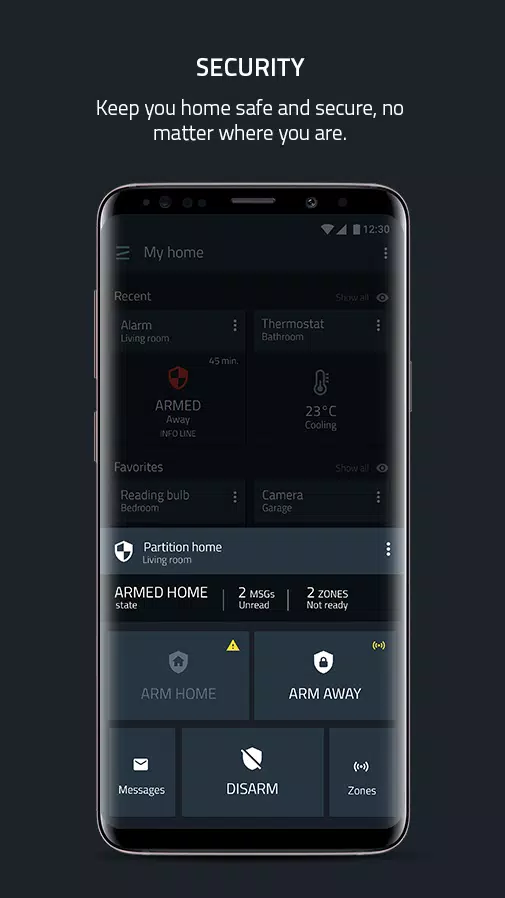
専門的なセキュリティアラーム

次のような機能であなたの家のセキュリティを強化する

  • カスタマイズされたセキュリティゾーンのマルチパーティションとクロスゾーニング。
  • アクセスレベルを管理するユーザーロール。
  • 侵入者、煙、水漏れ、一酸化炭素の包括的な検出とアラート。

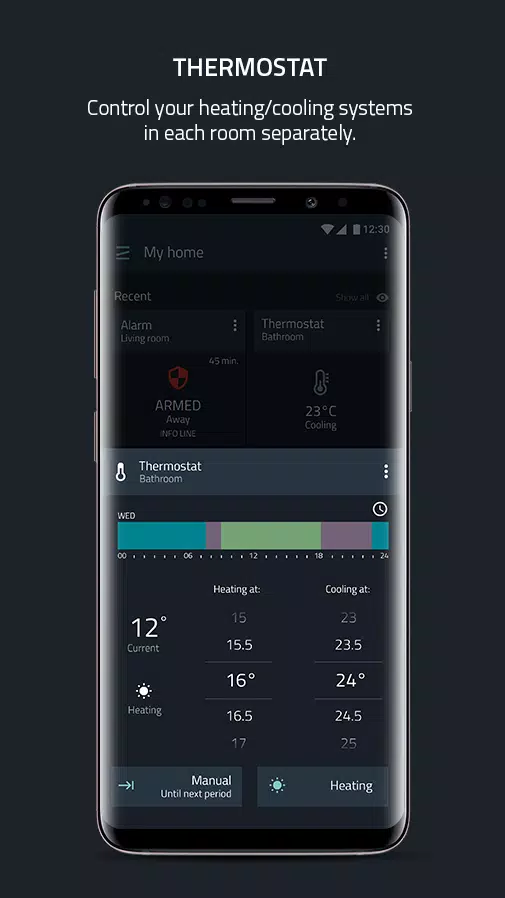
スマートサーモスタット

システムデバイスを使用してパーソナライズされたスマートサーモスタットを作成します。

  • テーラード温度制御用の複数のゾーンとスケジューラー。
  • サポートされている基準に基づいて、他の一般的なサーモスタットとの統合。

ビデオインターコム

以下を含むドアフォンシステムで入り口を固定します。

  • 簡単に通信するためのビデオと音声機能。
  • Zipato SIPサーバーおよびその他の人気のあるSIPサーバーとの統合。

ライトとパワー管理

あなたの家の照明とパワーを制御して監視します:

  • 調光、スイッチング、RGBW、および消費監視。
  • カーテン、ローラーシャッター、バルブのモーターコントロール。
  • エアコンと視聴覚デバイスのIR制御。
  • アクセスコード管理を備えたドアロックコントロール。

ビデオ監視

高度なビデオ機能を使用して、あなたの家に目を光らせてください:

  • IPカメラからのライブビュー。
  • イベントベースの録音とメッセージング。
  • マルチカメラの監視ビュー。
  • 録音されたビデオとスナップショットをレビューするためのタイムラインとギャラリービュー。

オートメーション

あなたの家を簡単に自動化します:

  • シンプルな自動化ルールのモバイルルール作成者。
  • あなたの場所に基づいてルールをトリガーするジオフェンス。
  • 高度な構成オプションを備えたカスタマイズ可能なスケジューラ。
  • 合理化された制御のためのシナリオとデバイスグループ化。
  • オンラインルール作成者によって作成されたルールとの統合。

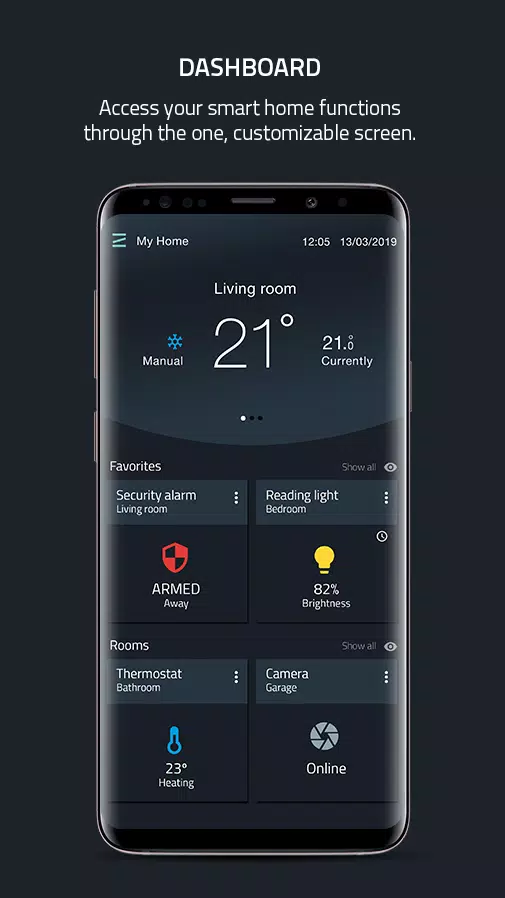
ダッシュボード

汎用性の高いダッシュボードでホームコントロールをカスタマイズします。

  • 完全にカスタマイズ可能なインターフェイス。
  • タイプ、部屋、シーン、またはカスタム設定によって整理されたデバイスウィジェットを備えたコンテナを作成します。
  • 簡単にナビゲーションを得るために、スクロール可能またはリストされているコンテナビュー。
  • 迅速な監視用の特別なホームページ情報ウィジェット。
  • すべてのシステムデバイスに複数の制御オプションを備えた直感的なウィジェット。
  • タブレット上の垂直モードとランドスケープモードの両方をサポートします。

知識ベース

情報を入手してください:

  • 最新のプラットフォームの更新に関するニュースと発表。
  • 特定の機能を紹介する記事とデモビデオ。

- 注記 -

Zipatoアプリを使用するには、Zipabox2やZipatile2など、少なくとも1つのZipatoコントローラーが必要です。

- 既存のZipatoユーザー向けの注意 -

Zipatoアプリは、新しいシステムであるZipato V3バックエンドで動作します。既存のユーザーは、Zipato V2環境からコントローラーを解除し、このアプリを通じてZipato V3環境の新しいシステム内に登録する必要があります。

バージョン3.5.0の新しいもの

2024年10月25日に最後に更新されました

修正:

  • Z-Waveハードリセットでの失敗したメッセージの処理の改善。
  • 固定エネルギーを節約クールなセットポイントの問題を節約します。
  • その他の一般的なバグ修正。

改善:

  • メンテナンスモードでコントローラー用のバナーを追加しました。
  • 強化されたカメラサムネイルパフォーマンス。
  • 改善されたカメラギャラリーとクリップビュー。
  • 全体的な安定性とパフォーマンスの向上。

特徴:

  • Zigbeeハードリセット機能を追加しました。
  • より良い視覚監視のために、カメラスナップショットビューを導入しました。
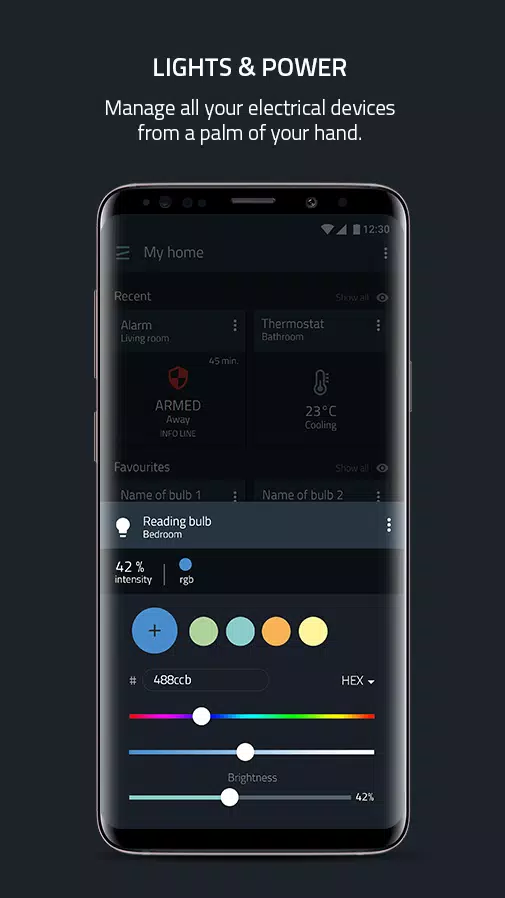
Zipato スクリーンショット 0
Zipato スクリーンショット 1
Zipato スクリーンショット 2
Zipato スクリーンショット 3
最新ニュース
Cross-platform play features refer to theCriticalSection in video games that allow players on different gaming platforms (such as PlayStation, Xbox, PC, and mobile) to play together in the same game session. This interoperability has become increasingly popular in modern gaming due to player demand for broader social experiences and larger player pools.
Key aspects of cross-platform play features include:


Unified Player Bases: By enabling players from different platforms to join the same servers, games can maintain more active communities, reducing lag and long wait times.


Improved Accessibility: Players are not limited to playing only with others on the same console or operating system, making it easier to connect with friends across different devices.


Consistent Game Experience: Developers must ensure gameplay mechanics, controls, and performance are balanced across platforms. For example, a player on a mobile device using touch controls should not have a significant advantage over a PC user with a keyboard and mouse.


Control and Input Adaptation: Games often implement different control schemes (e.g., touch, controller, mouse and keyboard) to accommodate platform-specific input methods while maintaining fairness.


Cloud Saves and Progress Synchronization: Many cross-platform games use cloud-based services to store player progress, ensuring that achievements and game data sync across all devices.


Challenges and Limitations:

Technical Hurdles: Differences in hardware performance and network infrastructure can complicate development.
Business and Licensing Issues: Platform holders like Sony, Microsoft, and Apple have historically been cautious about cross-play due to concerns over revenue, exclusivity, and control over their ecosystems.
Security and Anti-Cheat: Ensuring fair play across platforms requires robust anti-cheat systems and consistent enforcement.


Notable examples of successful cross-platform play include:

Fortnite – Fully cross-platform across PC, PlayStation, Xbox, Nintendo Switch, iOS, and Android.
Minecraft – Supports cross-play between almost all major platforms.
Apex Legends – Allows players on PC, PlayStation, Xbox, and mobile (via cloud gaming) to play together.
Call of Duty: Mobile and Call of Duty: Warzone – Offer cross-play across platforms.

Overall, cross-platform play features are increasingly seen as a standard in modern gaming, driven by player expectations for inclusivity and seamless multiplayer experiences. As technology advances and platform companies become more open, cross-platform gaming is likely to become even more widespread.

Cross-platform play features refer to theCriticalSection in video games that allow players on different gaming platforms (such as PlayStation, Xbox, PC, and mobile) to play together in the same game session. This interoperability has become increasingly popular in modern gaming due to player demand for broader social experiences and larger player pools. Key aspects of cross-platform play features include: Unified Player Bases: By enabling players from different platforms to join the same servers, games can maintain more active communities, reducing lag and long wait times. Improved Accessibility: Players are not limited to playing only with others on the same console or operating system, making it easier to connect with friends across different devices. Consistent Game Experience: Developers must ensure gameplay mechanics, controls, and performance are balanced across platforms. For example, a player on a mobile device using touch controls should not have a significant advantage over a PC user with a keyboard and mouse. Control and Input Adaptation: Games often implement different control schemes (e.g., touch, controller, mouse and keyboard) to accommodate platform-specific input methods while maintaining fairness. Cloud Saves and Progress Synchronization: Many cross-platform games use cloud-based services to store player progress, ensuring that achievements and game data sync across all devices. Challenges and Limitations: Technical Hurdles: Differences in hardware performance and network infrastructure can complicate development. Business and Licensing Issues: Platform holders like Sony, Microsoft, and Apple have historically been cautious about cross-play due to concerns over revenue, exclusivity, and control over their ecosystems. Security and Anti-Cheat: Ensuring fair play across platforms requires robust anti-cheat systems and consistent enforcement. Notable examples of successful cross-platform play include: Fortnite – Fully cross-platform across PC, PlayStation, Xbox, Nintendo Switch, iOS, and Android. Minecraft – Supports cross-play between almost all major platforms. Apex Legends – Allows players on PC, PlayStation, Xbox, and mobile (via cloud gaming) to play together. Call of Duty: Mobile and Call of Duty: Warzone – Offer cross-play across platforms. Overall, cross-platform play features are increasingly seen as a standard in modern gaming, driven by player expectations for inclusivity and seamless multiplayer experiences. As technology advances and platform companies become more open, cross-platform gaming is likely to become even more widespread.