Дом >  Новости >  «Blade Runner: Tokyo Nexus представляет Cyberpunk Future's Japan в IGN Fan Fest 2025»

«Blade Runner: Tokyo Nexus представляет Cyberpunk Future's Japan в IGN Fan Fest 2025»

Authore: EleanorОбновлять:Apr 26,2025

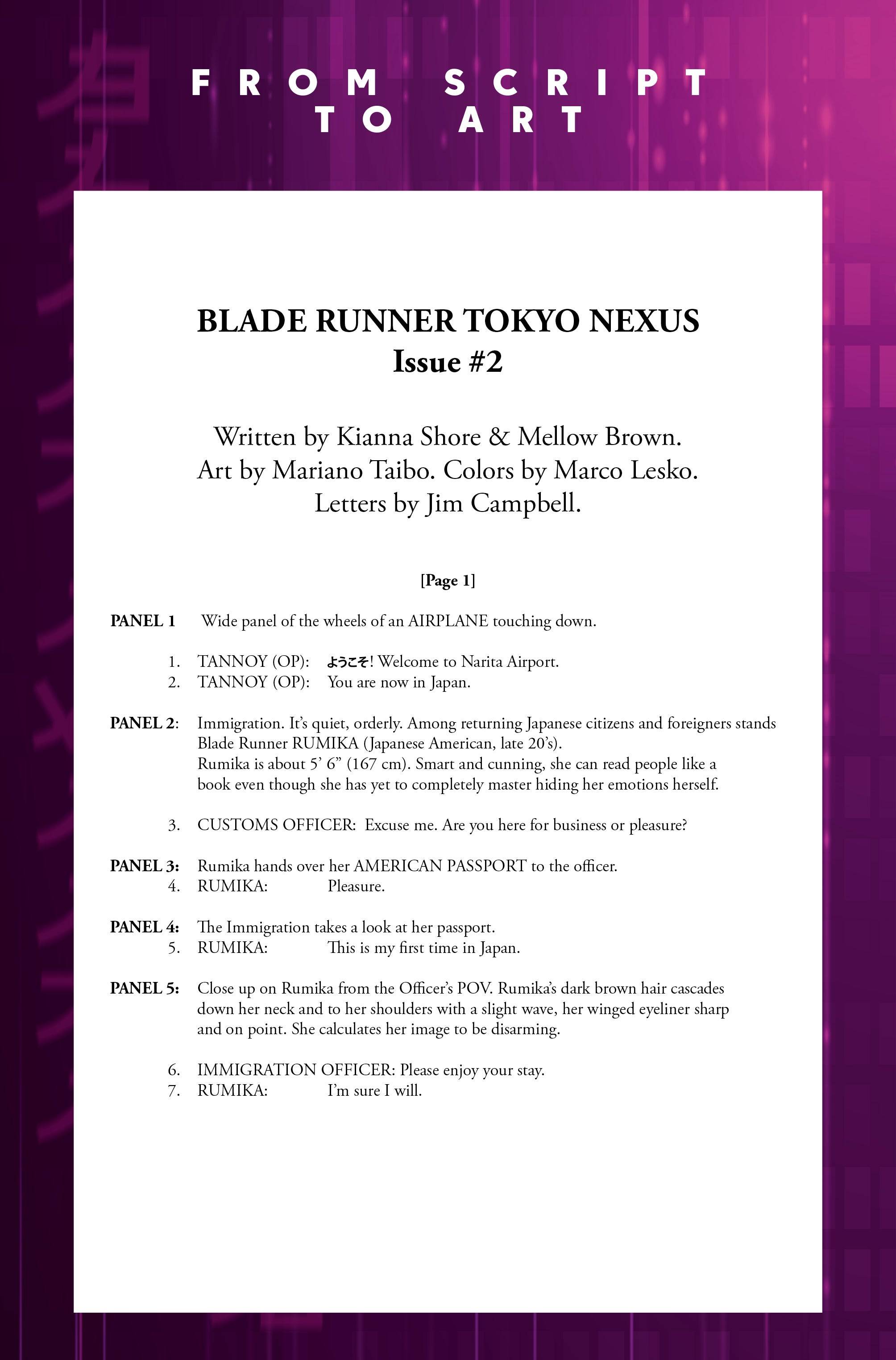
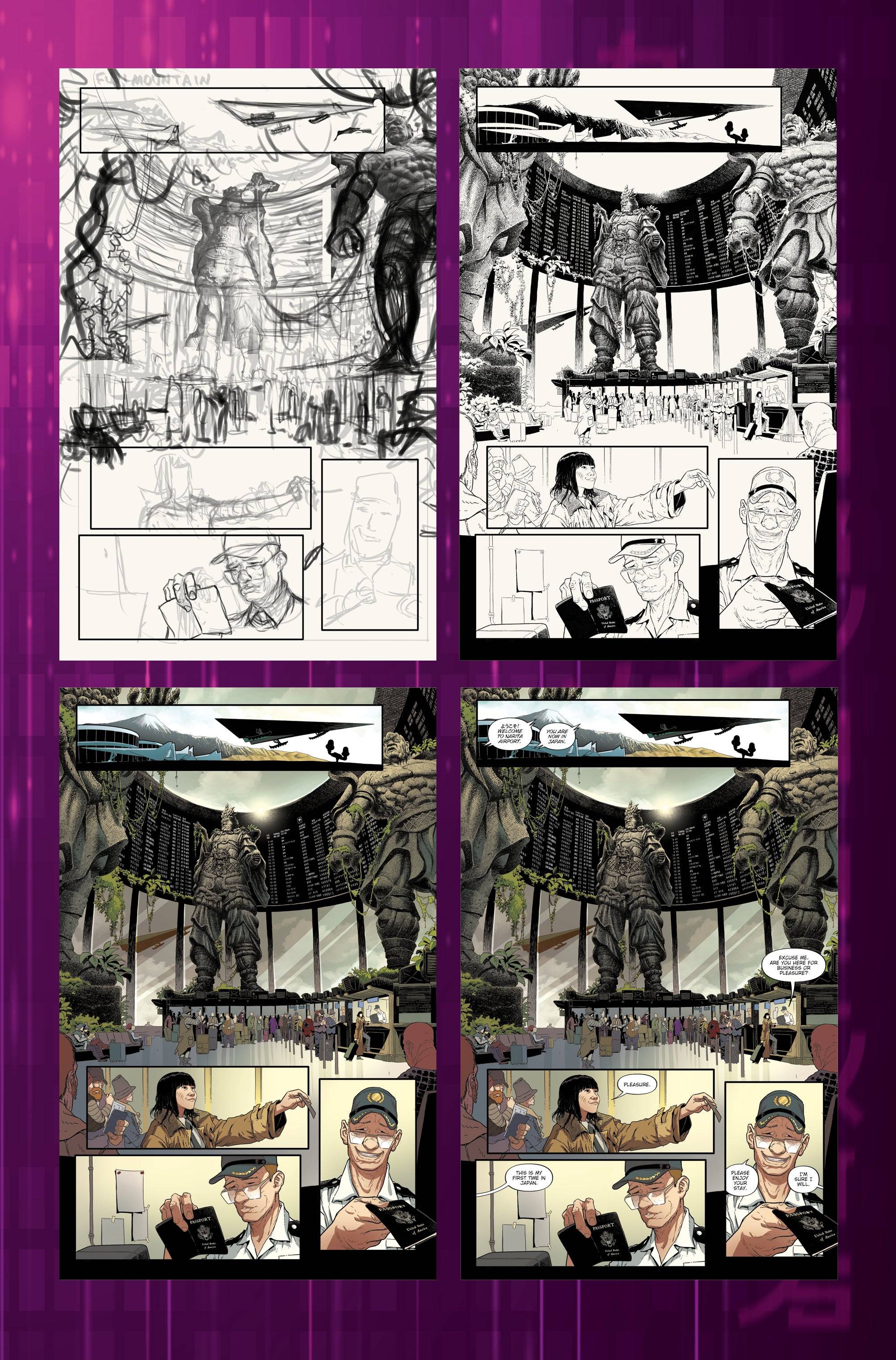
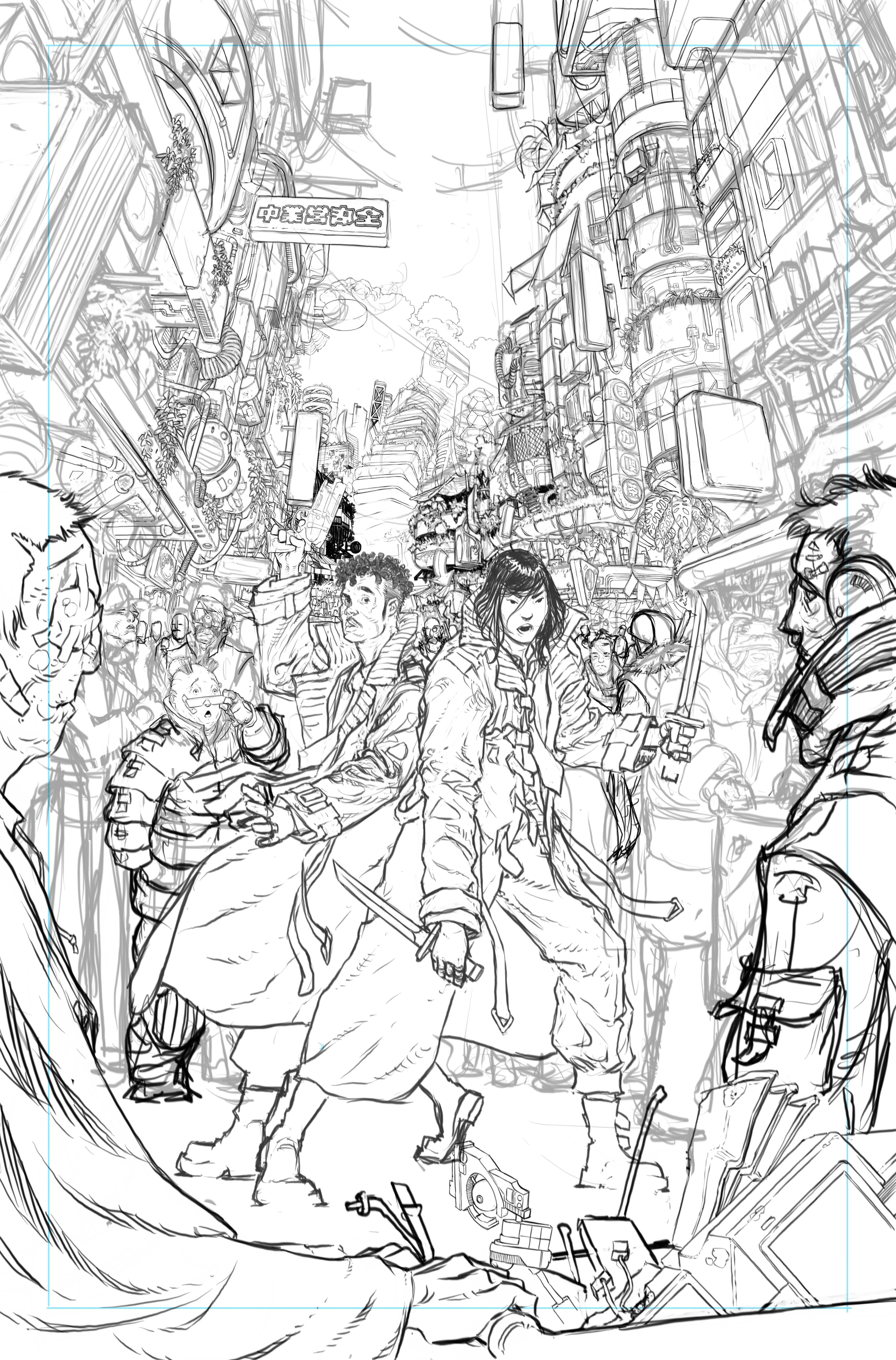
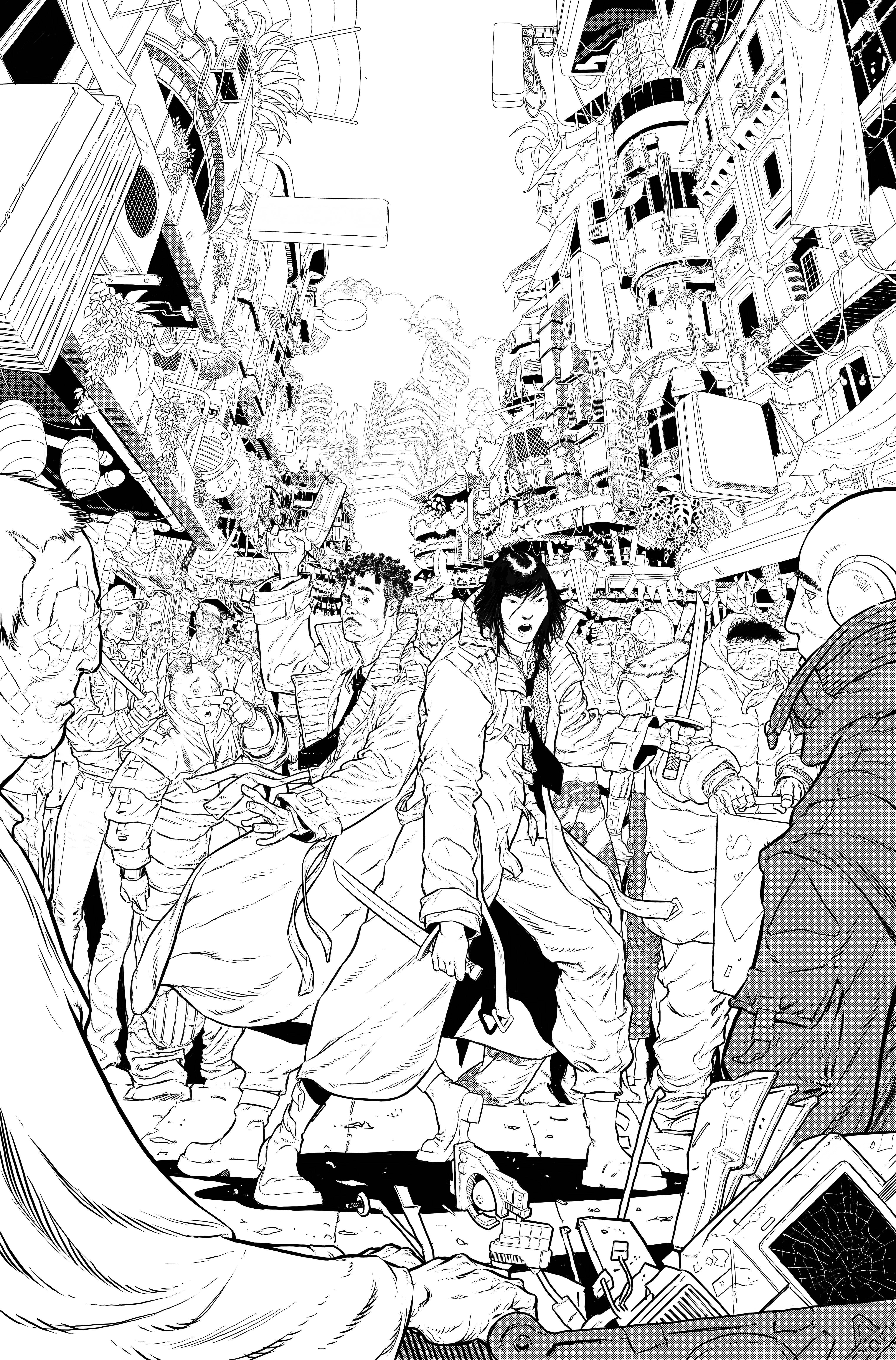
Франшиза Blade Runner по -настоящему процветала в сфере комиксов, когда Titan Comics расширяет свою киберпанк -вселенную за счет различных доборов и приквелов. Среди них Blade Runner: Tokyo Nexus выделяется как первая серия, установленная в Японии, принося культовую эстетику на новую территорию. В рамках IGN FAN FEST 2025 мы имели честь поговорить с писателями Кианной Шор и смягченным Брауном, чтобы углубиться в то, как они создали это уникальное дополнение к франшизе. Ниже вы можете изучить эксклюзивную галерею слайд -шоу, демонстрирующую путешествие от сценария к потрясающим произведениям, а затем продолжить чтение для получения дополнительной информации:

Blade Runner: Tokyo Nexus закулисная художественная галерея
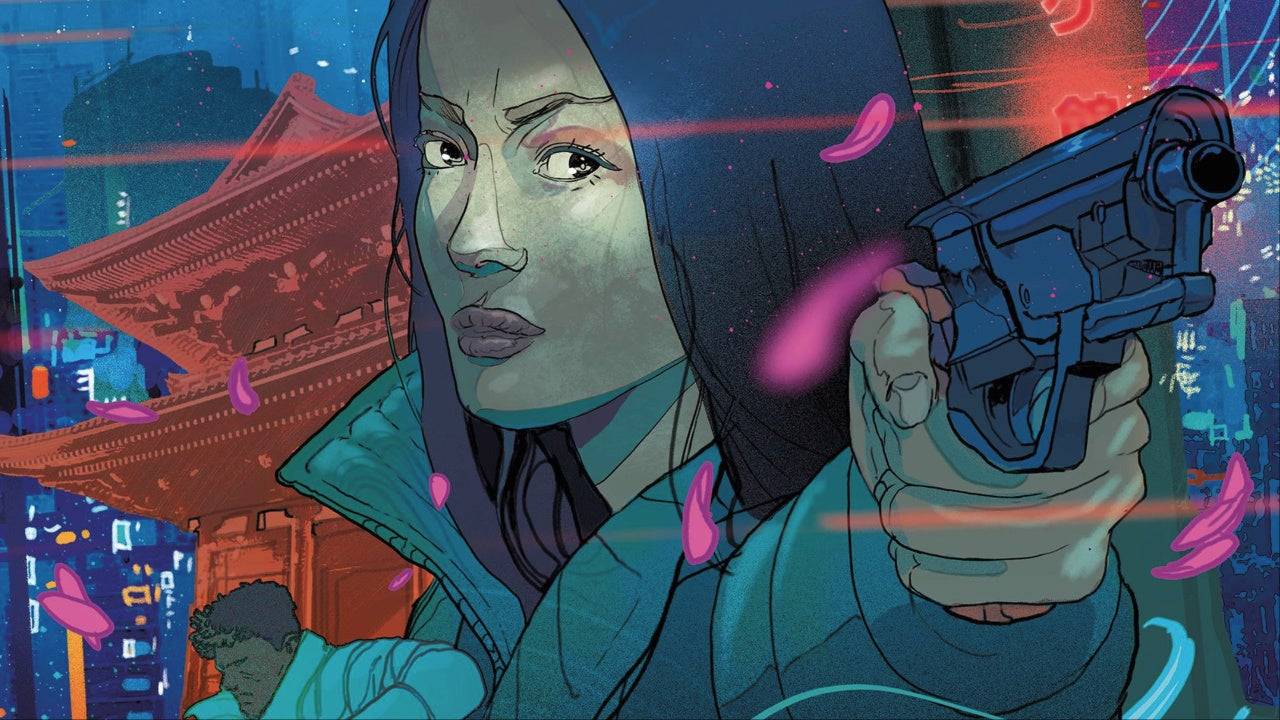
6 изображений

Постановление истории в Токио, городском знаком в повествованиях о киберпанках, таких как Акира и Призрак в ракушечнике, представлял уникальную проблему. Писатели стремились отличить изображение Токио от известного, неонового залитого, пропитанного дождем Лос-Анджелес из оригинального бегуна лезвия.

«Мозговой штурм Токио во вселенной Blade Runner был волнующим процессом!» Шор воскликнул IGN. «Прожив в Японии в 2015 году и недавно посещая экспонаты, представляющие будущее, я хотел, чтобы в Токио было четко ощущение от Лос -Анджелеса, отражая различную историю и социально -экономику. Моя цель состояла в том, чтобы создать« Хоппунк »Токио».

Браун добавил: «Лос -Анджелес в Blade Runner изображен как разбитый и на краю, с неоновым маскировкой его распада. Напротив, наш Токио - это прекрасная утопия, где люди чувствуют себя сдержанными. Выйдите из линии, а« рай »может быть ужасающим. Это так же интенсивно, но по -другому».

Вместо того, чтобы рисовать прямо из Акиры и Призрака в оболочке, оба писателя ищут вдохновение в другом месте. Шор упомянул: «Я посмотрел на то, как японские СМИ изображают будущее стихийное бедствие по 3,11 года, наблюдая за аниме, как твое имя, Япония, раковина 2020 года и пузырь».

Браун повторил: «Я намеренно избегал повторяющегося аниме под влиянием бегуна лезвия, такого как кризис с пузырькой или психопас. При создании киберпанка вы часто размышляете о будущей траектории вашей нынешней окружающей среды. Я хотел захватить современные общественные страхи Японии и надежды».

В 2015 году, за несколько лет до событий оригинального фильма, Токио Nexus является отдельной историей в более широкой временной шкале Blade Runner. Шор объяснил: «Это уникальная обстановка, время и повествование, но сохраняет суть бегуна лезвия с влиянием корпорации Tyrell и загадков на распутывание. Есть кивки, но это приятно даже без предварительного знания».

Браун добавил: «Мы опираемся на повествование от Blade Runner: Origins и незадолго до бегуна Blade: 2019. Мы исследуем более глубокие вопросы, такие как« Война Калантия »и« Монополия »на репликантов. Токио Нексус закладывает основы для надвигающейся гражданской войны среди различных организаций бегущего клинса».

Центральным в Токио Nexus является партнерство между человеком Mead и Replicant Stix, два утомленных битва ветерана, полагающиеся исключительно друг на друга в суровом мире. Шор описал их как «лучшие друзья и платонические участники жизни, которые вместе прошли невообразимые испытания. Их выживание зависит от их способности снова доверять».

Браун добавил нюансированную перспективу: «Их отношения прекрасно вредны для здоровья. Мы играем с темой франшизы« более человека, чем человек ». Жажда жизни Стикс контрастирует с механическим, основанным на выживании мышления.

Играть

По мере развития повествования Мид и Стикс оказываются запутанными в конфликте с участием Tyrell Corp, Yakuza и нового игрока, Чешира. Шор дразнил: «Чешир стремится бросить вызов монополии Тирелла с новой военной моделью, предположительно превосходной по силе и скорости».

Браун уточнил: «Чешир - это не просто еще один криминальный наряд; они амбициозны. Когда они защищают беженцев из -за ученых Тайрелла в Токио, их потенциальные скирокиты».

Blade Runner: Tokyo Nexus vol. 1 - Die in Peace теперь доступен в комических магазинах и книжных магазинах. Вы также можете заказать книгу на Amazon .

Также в рамках IGN FAN FEST 2025, мы ранним взглядом на новую общую вселенную IDW's Godzilla и проникновенный пик предстоящей сюжетной линии Sonic the Hedgehog .


Последние новости
ROG Xbox Ally X и ROG Xbox Ally появятся в продаже — Microsoft установила цену в 1000 долларов за самую мощную версию на фоне неопределённости с пошлинами

ROG Xbox Ally X и ROG Xbox Ally появятся в продаже — Microsoft установила цену в 1000 долларов за самую мощную версию на фоне неопределённости с пошлинами

Warhammer 40K Animated Universe: Exploring the Grim Darkness
Warhammer 40,000—commonly known as Warhammer 40K—is a dark, dystopian science fantasy universe created by Games Workshop in 1987. Set in the 41st millennium, it presents a galaxy ravaged by eternal war, ruled by a god-king, and teetering on the edge of annihilation. The setting is often summarized by the famous phrase:

Warhammer 40K Animated Universe: Exploring the Grim Darkness Warhammer 40,000—commonly known as Warhammer 40K—is a dark, dystopian science fantasy universe created by Games Workshop in 1987. Set in the 41st millennium, it presents a galaxy ravaged by eternal war, ruled by a god-king, and teetering on the edge of annihilation. The setting is often summarized by the famous phrase: "In the grim darkness of the far future, there is only war." While Warhammer 40K has long been dominated by tabletop wargaming, novels, and miniatures, a growing interest in animated adaptations has sparked dreams of a full-fledged animated universe. Here’s a deep dive into what such a Warhammer 40K Animated Universe could look like—its tone, themes, potential storylines, and why it's both a challenge and a triumph waiting to happen. 🌌 The Tone: A Grim, Gritty, and Mythic Canvas The animated version would not be a superhero saga or a space opera with happy endings. It would be visceral, brutal, and philosophical, blending: Cinematic grandeur (think Dune meets Blade Runner meets Mad Max: Fury Road). Religious fanaticism and cosmic horror (Lovecraftian elements fused with Catholic iconography and Nazi aesthetics). Existential dread and the futility of resistance against an all-consuming fate. Every frame would be saturated in shadow, rust, blood, and fire. The camera would glide over war-torn cities, bone-choked battlefields, and the endless corridors of a dying Imperium. 🐉 Key Factions (Animated Series Explorations) Each major faction could be the focus of a standalone animated series or arc within a larger anthology: 1. The Imperium of Man – The Emperor’s Shadow Tone: Epic tragedy, political intrigue, religious zeal. Plot: Follow a young Imperial Guard officer who discovers a secret heresy within the Ecclesiarchy. As the Emperor’s inhuman rule is revealed through fragmented visions, he must choose between blind obedience and revolution. Visual Style: Baroque grandeur meets industrial decay—massive cathedral-like warships, chanting legions, and stained-glass windows made of alien skulls. 2. Space Marines – Blood and Iron Tone: Heroic tragedy, brotherhood, and madness. Plot: A chapter of Primaris Space Marines is sent to a rogue world to reclaim a lost planet. As they battle daemons, traitors, and their own deteriorating sanity, they confront the truth: the Emperor may have been a false god. Visual Style: Hyper-detailed armor, slow-motion combat, and bursts of psychic flame. Think 300 meets Children of Dune, but with more chains, bolts, and screaming. 3. Orks – War-Born: The Green Tide Tone: Chaotic, absurd, yet oddly poetic. Plot: An Ork WAAAGH! erupts across a dying galaxy, not from malice—but from a strange, psychic force that draws them together in a final, unstoppable surge. A single Ork boy with "weird" instincts becomes the unlikely prophet of this chaotic apocalypse. Visual Style: Vibrant colors, stop-motion textures, and surreal dream logic. Imagine Mortal Kombat meets The NeverEnding Story in a world where everything is made of scrap metal and rage. 4. Chaos – The Screaming Void Tone: Psychological horror, body horror, and mythic descent. Plot: A traitor Warmaster, once a hero, is consumed by Chaos. His descent into madness is told through fragmented dream sequences, where he battles his past self, his dead comrades, and the daemonic gods that whisper in his blood. Visual Style: Surreal landscapes, melting faces, and time-reversing battles. Inspired by Pan’s Labyrinth, The Thing, and Jacob’s Ladder. 5. Tyranids – The Hive Mind’s Hunger Tone: Cosmic horror, inevitability, existential terror. Plot: An alien hive mind that consumes entire planets, not out of hatred, but because it must. Through the eyes of a single xenos scout (a captured human or a dying Genestealer), we witness the Hive Mind not as evil—but as a natural force, like a storm. Visual Style: Organic grotesquerie, pulsating flesh, biomechanical designs, and overwhelming scale. Think Annihilation meets Alien. 6. Eldar – The Weave of Fate Tone: Tragedy, beauty, and decay. Plot: A reclusive Eldar Farseer, cursed by the Weave, tries to stop a vision of the galaxy’s end. But every action she takes only accelerates the apocalypse. The Eldar are not gods—they are ghosts of a dead future. Visual Style: Ethereal lighting, ancient ruins, and haunting music. A melancholy ballet of beauty and destruction. 🎮 Why an Animated Universe Makes Sense Visual Flexibility: 40K is built for animation. The grotesque, the alien, the godlike—all are visual feast. Animation can realize impossible machines, psychic battles, and daemonic horrors that live beyond live-action budgets. Narrative Freedom: Unlike live-action, animation can leap across time and space, flash between multiple timelines, and depict the sheer scale of a galaxy at war. Global Appeal: Animated series can reach younger audiences (with age-rated content) and adult fans alike—like Star Wars: The Clone Wars or The Witcher. 🎥 Potential Animated Series: "The 41st Century Cycle" A multi-season animated anthology series, each season focusing on a different faction, with crossover events. Season 1: The Emperor’s Shadow – Imperium Season 2: WAAAGH! – The Green Tide – Orks Season 3: The Screaming Void – Chaos Season 4: Hive Mind’s Hunger – Tyranids Season 5: The Weave of Fate – Eldar Season 6: The Last Crusade – Crossover finale. The galaxy burns. The Emperor is dead. The Imperium fractures. The Orks rise. The Chaos Gods howl. The Tyranids descend. Only one force remains: the Adeptus Mechanicus, seeking to rebuild the galaxy from the ashes. 🔥 Challenges and Controversies Tone: Balancing grimness with storytelling appeal. Too much darkness may alienate viewers; too much hope undermines the core theme. Fan Backlash: Purists may object to animation over traditional miniatures or novels. Censorship: The extreme violence, gore, and disturbing imagery may require heavy editing for global distribution. But if handled with care—by visionary creators like Denis Villeneuve, Juanjo Guarnido (The Sandman), or David Fincher—the animated 40K universe could become a landmark in genre storytelling. ✨ Final Thought: The Grim Darkness as Art Warhammer 40K is more than war. It's a mythos about humanity’s hubris, the illusion of order, and the eternal struggle against oblivion. An animated universe could turn that grim darkness into something transcendent—a dark symphony of war, faith, and despair, where every explosion is a prayer, and every death a testament to a universe that refuses to end. "Not in war, but in the stillness between bullets, do we find truth." — Anonymous, 41st Millennium 🔔 Will it happen? Not yet. But with the success of Dune: Part Two, The Wheel of Time, and The Lord of the Rings: The Rings of Power, the timing may be right. The Grim Darkness is waiting... And animation may finally give it a voice. 🎬 Stay in the shadows. The war has only just begun.