Дом >  Новости >  Civilization VI: Самая быстрая религиозная победа в рейтинге

Civilization VI: Самая быстрая религиозная победа в рейтинге

Authore: DylanОбновлять:Jan 23,2025

Civilization VI: Самая быстрая религиозная победа в рейтинге

Цивилизация 6: Покори веру – самые быстрые пути религиозной победы

Религиозная победа в Civilization 6 может быть на удивление быстрой, особенно если вы единственный, кто ее добивается. Некоторые цивилизации преуспевают в генерировании Веры, быстрой защите Святых мест и достижении быстрой Религиозной победы. Хотя некоторые предлагают надежные религиозные стратегии победы, эти лидеры при правильном подходе могут Achieve одержать победу с впечатляющей скоростью.

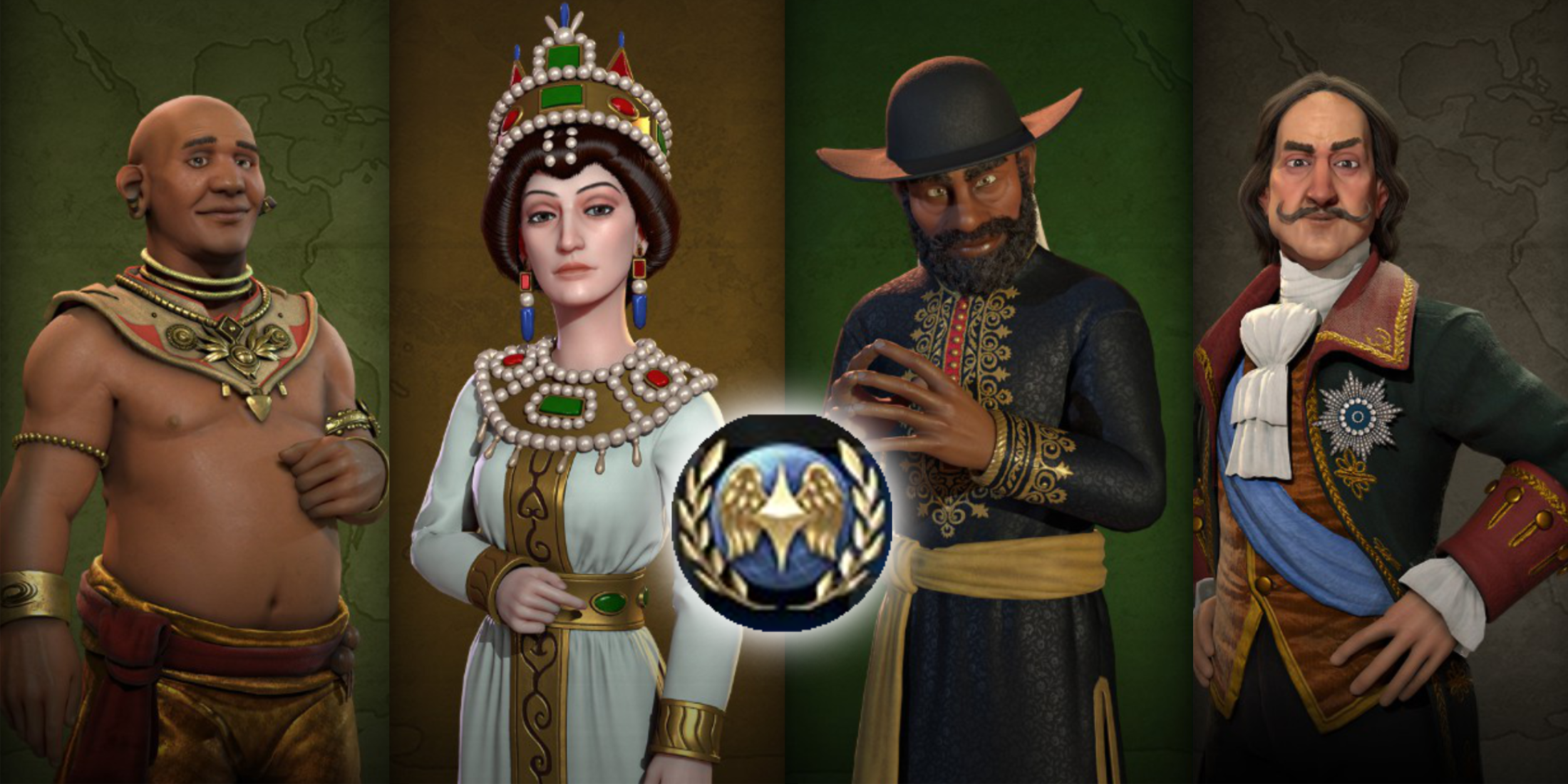
Феодора – Византия: религиозное завоевание

Способность лидера: Метанойя — Святые места получают Культуру, равную их бонусу соседства. Фермы получают 1 ед. веры от ипподромов и святых мест.

Способность цивилизации: Такси — 3 очка боевой и религиозной силы за каждый преобразованный Святой город. Убийство отряда распространяет вашу религию на контролирующую цивилизацию или город-государство.

Уникальные юниты: Дромон (классический юнит дальнего боя), Ипподром (заменяет развлекательный комплекс, предоставляет удобства и бесплатную тяжелую кавалерию после завершения и для каждого здания).

Стратегия Феодоры сосредоточена на религиозной войне. Способность «Византия» повышает боевую и религиозную силу с каждым преобразованным Святым городом, а убийства юнитов распространяют вашу религию. Ипподромы способствуют быстрому завоеванию с помощью свободной тяжелой кавалерии. Отдайте приоритет теологии и гражданским принципам монархии, чтобы получить быстрые слоты для политики. Основополагающая вера Крестовых походов обеспечивает дополнительную боевую мощь против отрядов вашей религии. Преобразуйте города, прежде чем вторгаться для быстрого захвата. Объедините военное давление с миссионерами/апостолами для быстрого обращения.

Менелик II – Эфиопия: Вера на склоне холма

Способность лидера: Совет министров – города, основанные на холмах, получают науку и культуру, равные 15% от их Веры. 4 Боевая мощь отрядов на холмах.

Способность цивилизации: Аксумское наследие — все улучшения ресурсов дают 1 единицу веры за каждую копию. Международные торговые пути дают 0,5 веры за каждый ресурс в исходном городе. Археологов и музеи можно приобрести за Веру.

Уникальные юниты: Конница оромо (средневековая легкая кавалерия), Высеченная в камне церковь (1 очка веры за каждую соседнюю плитку горы или холма, обеспечивает туризм от веры после бегства, распространяет 1 призыв).

Сила Менелика II заключается в его способностях лидера. Основание городов на холмах обеспечивает сбалансированный подход, порождая науку и культуру наряду с верой. Сосредоточьтесь на зданиях веры как можно раньше, чтобы обезопасить свой Пантеон и религию. Стройте высеченные в камне церкви возле гор и холмов для максимальной веры. Максимизируйте бонусы и роскошные ресурсы и обменивайте их на дополнительную Веру. Приоритезация культуры наряду с верой ускоряет гражданское развитие.

Джаяварман VII – Кхмеры: бум речной веры

Способность лидера: Монастыри короля – святые места получают еду, равную их бонусу соседства, 2 соседства от рек, 2 жилья возле рек и запускают культурную бомбу.

Способность цивилизации: Гранд-Барайс — акведуки дают 1 благо и 1 веру на каждого жителя. Фермы получают 2 еды рядом с акведуками и 1 веру рядом со святыми местами.

Уникальные юниты: Домри (средневековый осадный отряд), Прасат (6 веры, слот для реликвий, дополнительное жилье, культура и еда с определенными убеждениями). 0,5 культуры на одного жителя.

Джаяварман VII преуспевает в быстрых религиозных победах благодаря своим мощным способностям лидера. Размещение святых мест возле рек порождает огромную веру, жилье и культуру. Акведуки еще больше повышают Веру и Достоинства. Прасат обеспечивает значительную веру и поддерживает рост города. Отдайте приоритет акведукам, таким чудесам, как Великая баня и висячие сады, а также апостолам для быстрого преобразования.

Питер – Россия: Триумф Тундры

Способность лидера: Великое посольство — торговые пути с более развитыми цивилизациями дают 1 науку и 1 культуру за каждые 3 технологии или гражданское право, которыми они обладают.

Цивилизация: Мать Россия – 5 дополнительных плиток при основании города. Плитки тундры дают 1 Веру и 1 Производство. Юниты невосприимчивы к Blizzard, враги на территории России получают двойные штрафы.

Уникальные юниты: Казак (Промышленная эпоха), Лавра (Заменяет Святое место, расширяется на 2 клетки, когда там находится Великий Человек).

Петровская Россия предлагает уникальный путь религиозной победы. Возможность основывать города с дополнительными плитками и механика расширения Лавры обеспечивают быстрый территориальный рост. Бонус Веры и Производства от плиток Тундры, усиленный Танцем Пантеона Авроры, способствует раннему расширению. Объедините это с продвижением Магнуса для поселенцев, чтобы предотвратить потерю населения во время расширения. Отдайте приоритет Лаврам и Строителям, чтобы максимизировать эксплуатацию ресурсов. Петровская Россия может Achieve невероятно быстро одерживать религиозные победы.

Эти стратегии подчеркивают уникальные сильные стороны каждой цивилизации. Помните, что адаптация к конкретным игровым условиям и действиям оппонентов имеет решающее значение для успеха.


Последние новости
ROG Xbox Ally X и ROG Xbox Ally появятся в продаже — Microsoft установила цену в 1000 долларов за самую мощную версию на фоне неопределённости с пошлинами

ROG Xbox Ally X и ROG Xbox Ally появятся в продаже — Microsoft установила цену в 1000 долларов за самую мощную версию на фоне неопределённости с пошлинами

Warhammer 40K Animated Universe: Exploring the Grim Darkness
Warhammer 40,000—commonly known as Warhammer 40K—is a dark, dystopian science fantasy universe created by Games Workshop in 1987. Set in the 41st millennium, it presents a galaxy ravaged by eternal war, ruled by a god-king, and teetering on the edge of annihilation. The setting is often summarized by the famous phrase:

Warhammer 40K Animated Universe: Exploring the Grim Darkness Warhammer 40,000—commonly known as Warhammer 40K—is a dark, dystopian science fantasy universe created by Games Workshop in 1987. Set in the 41st millennium, it presents a galaxy ravaged by eternal war, ruled by a god-king, and teetering on the edge of annihilation. The setting is often summarized by the famous phrase: "In the grim darkness of the far future, there is only war." While Warhammer 40K has long been dominated by tabletop wargaming, novels, and miniatures, a growing interest in animated adaptations has sparked dreams of a full-fledged animated universe. Here’s a deep dive into what such a Warhammer 40K Animated Universe could look like—its tone, themes, potential storylines, and why it's both a challenge and a triumph waiting to happen. 🌌 The Tone: A Grim, Gritty, and Mythic Canvas The animated version would not be a superhero saga or a space opera with happy endings. It would be visceral, brutal, and philosophical, blending: Cinematic grandeur (think Dune meets Blade Runner meets Mad Max: Fury Road). Religious fanaticism and cosmic horror (Lovecraftian elements fused with Catholic iconography and Nazi aesthetics). Existential dread and the futility of resistance against an all-consuming fate. Every frame would be saturated in shadow, rust, blood, and fire. The camera would glide over war-torn cities, bone-choked battlefields, and the endless corridors of a dying Imperium. 🐉 Key Factions (Animated Series Explorations) Each major faction could be the focus of a standalone animated series or arc within a larger anthology: 1. The Imperium of Man – The Emperor’s Shadow Tone: Epic tragedy, political intrigue, religious zeal. Plot: Follow a young Imperial Guard officer who discovers a secret heresy within the Ecclesiarchy. As the Emperor’s inhuman rule is revealed through fragmented visions, he must choose between blind obedience and revolution. Visual Style: Baroque grandeur meets industrial decay—massive cathedral-like warships, chanting legions, and stained-glass windows made of alien skulls. 2. Space Marines – Blood and Iron Tone: Heroic tragedy, brotherhood, and madness. Plot: A chapter of Primaris Space Marines is sent to a rogue world to reclaim a lost planet. As they battle daemons, traitors, and their own deteriorating sanity, they confront the truth: the Emperor may have been a false god. Visual Style: Hyper-detailed armor, slow-motion combat, and bursts of psychic flame. Think 300 meets Children of Dune, but with more chains, bolts, and screaming. 3. Orks – War-Born: The Green Tide Tone: Chaotic, absurd, yet oddly poetic. Plot: An Ork WAAAGH! erupts across a dying galaxy, not from malice—but from a strange, psychic force that draws them together in a final, unstoppable surge. A single Ork boy with "weird" instincts becomes the unlikely prophet of this chaotic apocalypse. Visual Style: Vibrant colors, stop-motion textures, and surreal dream logic. Imagine Mortal Kombat meets The NeverEnding Story in a world where everything is made of scrap metal and rage. 4. Chaos – The Screaming Void Tone: Psychological horror, body horror, and mythic descent. Plot: A traitor Warmaster, once a hero, is consumed by Chaos. His descent into madness is told through fragmented dream sequences, where he battles his past self, his dead comrades, and the daemonic gods that whisper in his blood. Visual Style: Surreal landscapes, melting faces, and time-reversing battles. Inspired by Pan’s Labyrinth, The Thing, and Jacob’s Ladder. 5. Tyranids – The Hive Mind’s Hunger Tone: Cosmic horror, inevitability, existential terror. Plot: An alien hive mind that consumes entire planets, not out of hatred, but because it must. Through the eyes of a single xenos scout (a captured human or a dying Genestealer), we witness the Hive Mind not as evil—but as a natural force, like a storm. Visual Style: Organic grotesquerie, pulsating flesh, biomechanical designs, and overwhelming scale. Think Annihilation meets Alien. 6. Eldar – The Weave of Fate Tone: Tragedy, beauty, and decay. Plot: A reclusive Eldar Farseer, cursed by the Weave, tries to stop a vision of the galaxy’s end. But every action she takes only accelerates the apocalypse. The Eldar are not gods—they are ghosts of a dead future. Visual Style: Ethereal lighting, ancient ruins, and haunting music. A melancholy ballet of beauty and destruction. 🎮 Why an Animated Universe Makes Sense Visual Flexibility: 40K is built for animation. The grotesque, the alien, the godlike—all are visual feast. Animation can realize impossible machines, psychic battles, and daemonic horrors that live beyond live-action budgets. Narrative Freedom: Unlike live-action, animation can leap across time and space, flash between multiple timelines, and depict the sheer scale of a galaxy at war. Global Appeal: Animated series can reach younger audiences (with age-rated content) and adult fans alike—like Star Wars: The Clone Wars or The Witcher. 🎥 Potential Animated Series: "The 41st Century Cycle" A multi-season animated anthology series, each season focusing on a different faction, with crossover events. Season 1: The Emperor’s Shadow – Imperium Season 2: WAAAGH! – The Green Tide – Orks Season 3: The Screaming Void – Chaos Season 4: Hive Mind’s Hunger – Tyranids Season 5: The Weave of Fate – Eldar Season 6: The Last Crusade – Crossover finale. The galaxy burns. The Emperor is dead. The Imperium fractures. The Orks rise. The Chaos Gods howl. The Tyranids descend. Only one force remains: the Adeptus Mechanicus, seeking to rebuild the galaxy from the ashes. 🔥 Challenges and Controversies Tone: Balancing grimness with storytelling appeal. Too much darkness may alienate viewers; too much hope undermines the core theme. Fan Backlash: Purists may object to animation over traditional miniatures or novels. Censorship: The extreme violence, gore, and disturbing imagery may require heavy editing for global distribution. But if handled with care—by visionary creators like Denis Villeneuve, Juanjo Guarnido (The Sandman), or David Fincher—the animated 40K universe could become a landmark in genre storytelling. ✨ Final Thought: The Grim Darkness as Art Warhammer 40K is more than war. It's a mythos about humanity’s hubris, the illusion of order, and the eternal struggle against oblivion. An animated universe could turn that grim darkness into something transcendent—a dark symphony of war, faith, and despair, where every explosion is a prayer, and every death a testament to a universe that refuses to end. "Not in war, but in the stillness between bullets, do we find truth." — Anonymous, 41st Millennium 🔔 Will it happen? Not yet. But with the success of Dune: Part Two, The Wheel of Time, and The Lord of the Rings: The Rings of Power, the timing may be right. The Grim Darkness is waiting... And animation may finally give it a voice. 🎬 Stay in the shadows. The war has only just begun.