
>  アプリ >  ツール >  Bubble File - PDF Editor
Bubble File - PDF Editor

Bubble File - PDF Editor

カテゴリー : ツールバージョン: 1.0.4

サイズ:17.39MOS : Android 5.1 or later

開発者:GXTalk App

4.3
ダウンロード
アプリケーションの説明

PDF 管理のすべてのニーズを満たす究極のソリューションである Bubble File - PDF Editor を紹介します。このアプリは、モバイル デバイスでの PDF ファイルの処理方法に革命をもたらします。数回タップするだけで PDF ドキュメントをシームレスに閲覧、管理、編集できます。ユーザーフレンドリーなインターフェイスにより、PDF ファイル内を簡単に移動して、必要なものを正確に見つけることができます。しかしそれだけではありません! Bubble File - PDF Editor には QR コード スキャナーも内蔵されており、PDF ファイルに埋め込まれた QR コードを迅速かつ正確にスキャンできます。さらに、高品質の PDF ファイルの作成がかつてないほど簡単になりました。写真、スキャンしたドキュメント、その他のコンテンツを簡単に PDF 形式に変換します。

Bubble File - PDF Editor の特徴:

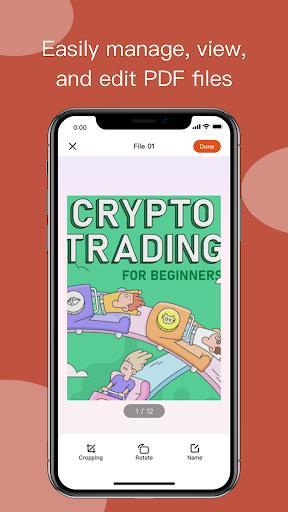
  • 簡単な PDF 管理: Bubble File - PDF Editor を使用すると、ユーザーはモバイル デバイスで PDF ファイルを簡単に管理できます。このアプリを使用すると、PDF ドキュメントをすばやく開き、表示、編集できます。
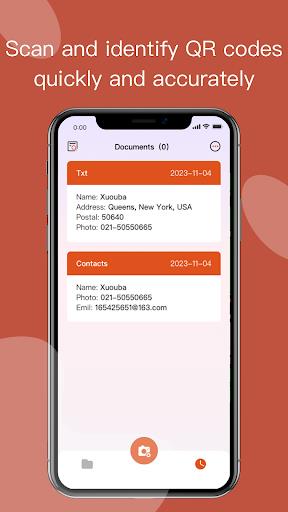
  • QR コード スキャナー: このアプリには、迅速かつ正確にスキャンして識別できる QR コード スキャナーが組み込まれています。 QRコード。この機能は、PDF ファイルに含まれる QR コードをスキャンする必要があるユーザーに特に便利です。
  • 便利な PDF 変換: ユーザーは、アプリを使用してさまざまなソースから高品質の PDF ファイルを作成できます。アルバムの写真、スキャンしたドキュメント、またはその他のコンテンツであっても、簡単に PDF ファイルに変換できます。
  • モバイル互換性: Bubble File - PDF Editor はモバイル デバイス向けに特別に設計されています。これにより、ユーザーは外出先でも PDF ファイルを簡単に管理できます。重要な書類や情報はすべてポケットに入れて持ち運ぶことができます。
  • ユーザーフレンドリーなインターフェイス: アプリは、操作が簡単なユーザーフレンドリーなインターフェイスを備えています。ユーザーは必要なファイルをすばやく見つけ、数回タップするだけで PDF ファイルの編集、整理、共有などのさまざまな操作を実行できます。
  • 生産性の向上: の強力な機能により、 Bubble File - PDF Editor を使用すると、ユーザーは生産性を向上させることができます。 PDF ファイルを効率的に管理し、QR コードを通じて重要な情報に簡単にアクセスし、さまざまな種類のコンテンツを数秒以内に PDF ファイルに変換できます。

結論:

Bubble File - PDF Editor は、モバイル デバイスで PDF ファイルを頻繁に操作するユーザーにとって必須のアプリです。簡単な PDF 管理、QR コード スキャン、PDF 変換機能、モバイル互換性、ユーザーフレンドリーなインターフェイス、生産性の向上により、PDF ドキュメントを効率的に管理および操作したい人にとって不可欠なツールとなっています。今すぐダウンロードをクリックして、Bubble File - PDF Editor の利便性と多機能性をご自身で体験してください!

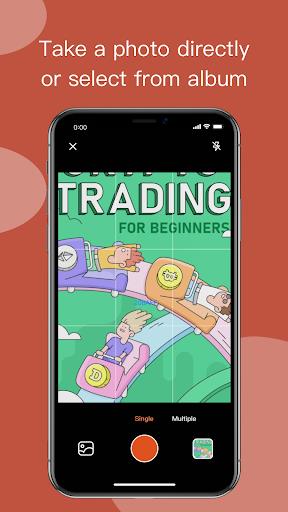
Bubble File - PDF Editor スクリーンショット 0
Bubble File - PDF Editor スクリーンショット 1
Bubble File - PDF Editor スクリーンショット 2
Bubble File - PDF Editor スクリーンショット 3
最新ニュース
Cross-platform play features refer to theCriticalSection in video games that allow players on different gaming platforms (such as PlayStation, Xbox, PC, and mobile) to play together in the same game session. This interoperability has become increasingly popular in modern gaming due to player demand for broader social experiences and larger player pools.
Key aspects of cross-platform play features include:


Unified Player Bases: By enabling players from different platforms to join the same servers, games can maintain more active communities, reducing lag and long wait times.


Improved Accessibility: Players are not limited to playing only with others on the same console or operating system, making it easier to connect with friends across different devices.


Consistent Game Experience: Developers must ensure gameplay mechanics, controls, and performance are balanced across platforms. For example, a player on a mobile device using touch controls should not have a significant advantage over a PC user with a keyboard and mouse.


Control and Input Adaptation: Games often implement different control schemes (e.g., touch, controller, mouse and keyboard) to accommodate platform-specific input methods while maintaining fairness.


Cloud Saves and Progress Synchronization: Many cross-platform games use cloud-based services to store player progress, ensuring that achievements and game data sync across all devices.


Challenges and Limitations:

Technical Hurdles: Differences in hardware performance and network infrastructure can complicate development.
Business and Licensing Issues: Platform holders like Sony, Microsoft, and Apple have historically been cautious about cross-play due to concerns over revenue, exclusivity, and control over their ecosystems.
Security and Anti-Cheat: Ensuring fair play across platforms requires robust anti-cheat systems and consistent enforcement.


Notable examples of successful cross-platform play include:

Fortnite – Fully cross-platform across PC, PlayStation, Xbox, Nintendo Switch, iOS, and Android.
Minecraft – Supports cross-play between almost all major platforms.
Apex Legends – Allows players on PC, PlayStation, Xbox, and mobile (via cloud gaming) to play together.
Call of Duty: Mobile and Call of Duty: Warzone – Offer cross-play across platforms.

Overall, cross-platform play features are increasingly seen as a standard in modern gaming, driven by player expectations for inclusivity and seamless multiplayer experiences. As technology advances and platform companies become more open, cross-platform gaming is likely to become even more widespread.

Cross-platform play features refer to theCriticalSection in video games that allow players on different gaming platforms (such as PlayStation, Xbox, PC, and mobile) to play together in the same game session. This interoperability has become increasingly popular in modern gaming due to player demand for broader social experiences and larger player pools. Key aspects of cross-platform play features include: Unified Player Bases: By enabling players from different platforms to join the same servers, games can maintain more active communities, reducing lag and long wait times. Improved Accessibility: Players are not limited to playing only with others on the same console or operating system, making it easier to connect with friends across different devices. Consistent Game Experience: Developers must ensure gameplay mechanics, controls, and performance are balanced across platforms. For example, a player on a mobile device using touch controls should not have a significant advantage over a PC user with a keyboard and mouse. Control and Input Adaptation: Games often implement different control schemes (e.g., touch, controller, mouse and keyboard) to accommodate platform-specific input methods while maintaining fairness. Cloud Saves and Progress Synchronization: Many cross-platform games use cloud-based services to store player progress, ensuring that achievements and game data sync across all devices. Challenges and Limitations: Technical Hurdles: Differences in hardware performance and network infrastructure can complicate development. Business and Licensing Issues: Platform holders like Sony, Microsoft, and Apple have historically been cautious about cross-play due to concerns over revenue, exclusivity, and control over their ecosystems. Security and Anti-Cheat: Ensuring fair play across platforms requires robust anti-cheat systems and consistent enforcement. Notable examples of successful cross-platform play include: Fortnite – Fully cross-platform across PC, PlayStation, Xbox, Nintendo Switch, iOS, and Android. Minecraft – Supports cross-play between almost all major platforms. Apex Legends – Allows players on PC, PlayStation, Xbox, and mobile (via cloud gaming) to play together. Call of Duty: Mobile and Call of Duty: Warzone – Offer cross-play across platforms. Overall, cross-platform play features are increasingly seen as a standard in modern gaming, driven by player expectations for inclusivity and seamless multiplayer experiences. As technology advances and platform companies become more open, cross-platform gaming is likely to become even more widespread.