
>  アプリ >  おしゃれな生活 >  Evite: Email & SMS Invitations
Evite: Email & SMS Invitations

Evite: Email & SMS Invitations

カテゴリー : おしゃれな生活バージョン: 18.0.0

サイズ:27.70MOS : Android 5.1 or later

開発者:Evite

4.4
ダウンロード
アプリケーションの説明

誕生日のバッシュであろうとのんびりしたバックであろうと、evite:Evite:Email&SMSの招待状があなたの究極の計画コンパニオンとして際立っているかどうかにかかわらず、完璧なイベントを調整することになると。このアプリは、イベントのユニークな雰囲気に合わせてカスタマイズできる、無料でプレミアムなデジタル招待状を提供しています。色からフォントまで、あらゆる側面を微調整して、招待状が集まりの本質を反映していることを確認できます。 Eviteを使用すると、RSVPSの追跡はリアルタイムの更新のおかげで簡単です。そのため、誰が来るのかについて常にループにいます。さらに、ビデオチャットリンクを追加する機能により、仮想イベントをホストすることは招待状を送信するのと同じくらい簡単になります。この多才なアプリを通して、あなたの愛する人とのつながりを維持することで、あなたがどこにいても人生の瞬間を祝いましょう。

Eviteの機能:電子メールとSMSの招待状:

パーソナライズされた招待状: Eviteは、数千の無料でプレミアムなデジタル招待状の広範なコレクションを誇っています。イベントの詳細と個人的な写真であなたの心のコンテンツにそれらをカスタマイズして、あなたの招待を本当にあなたのものにします。

リアルタイムRSVP追跡:リアルタイムトラッキングでゲストリストのトップにとどまります。誰があなたの招待状を見て、誰もが知っていることを維持するためにアップデートとリマインダーを楽に送信した人を見てください。

仮想イベント機能:今日の世界では、仮想集会は必須です。 Eviteを使用すると、招待状にビデオチャットリンクを追加し、距離に関係なくイベントが続くようにすることができます。

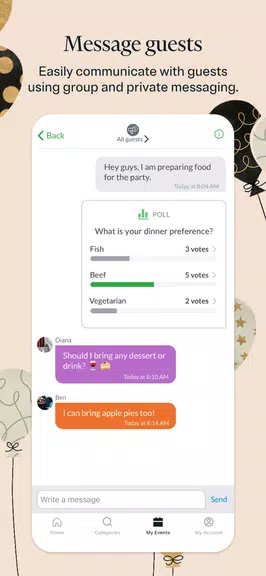
ソーシャルインタラクション:イベントの前、最中、および後、接続を生かし続けます。ゲストは、招待状のプライベートイベントフィードに関するコメント、いいね、写真、質問を介してやり取りし、集まりの周りに話題をもたらすことができます。

ユーザー向けのヒント:

招待状のカスタマイズ:招待状をパーソナライズして、イベントを忘れられないものにします。あなたの性格のスプラッシュを写真とあなたのゲストと共鳴する心からのメッセージを追加してください。

RSVP機能の利用:ゲストの応答を綿密に監視して、計画をスムーズに保ちます。 Eviteのタイムリーな更新を使用して、誰もが最新の詳細を知っていることを確認してください。

ゲストとのエンゲージメント:ゲストがエンゲージを奨励することにより、イベントの周りに興奮とコミュニティを構築します。会話を流れ続けるために、イベントフィードに関するコメント、写真、質問を共有するように促します。

結論:

EVITEを使用:電子メールとSMSの招待状、イベントの計画と参加は合理化され、楽しいものです。パーソナライズされた招待状のクラフトから、リアルタイムのRSVP追跡を活用して社会的相互作用を促進することまで、このアプリは、対面であろうと仮想であろうと、思い出に残る集まりをホストするための鍵です。あなたの愛する人とのつながりを保ち、すべての瞬間をeviteで数えます。今すぐアプリをダウンロードして、人生の貴重な瞬間をお祝いに変えて覚えておいてください。


Evite: Email & SMS Invitations スクリーンショット 0
Evite: Email & SMS Invitations スクリーンショット 1
Evite: Email & SMS Invitations スクリーンショット 2
Evite: Email & SMS Invitations スクリーンショット 3
最新ニュース
Cross-platform play features refer to theCriticalSection in video games that allow players on different gaming platforms (such as PlayStation, Xbox, PC, and mobile) to play together in the same game session. This interoperability has become increasingly popular in modern gaming due to player demand for broader social experiences and larger player pools.
Key aspects of cross-platform play features include:


Unified Player Bases: By enabling players from different platforms to join the same servers, games can maintain more active communities, reducing lag and long wait times.


Improved Accessibility: Players are not limited to playing only with others on the same console or operating system, making it easier to connect with friends across different devices.


Consistent Game Experience: Developers must ensure gameplay mechanics, controls, and performance are balanced across platforms. For example, a player on a mobile device using touch controls should not have a significant advantage over a PC user with a keyboard and mouse.


Control and Input Adaptation: Games often implement different control schemes (e.g., touch, controller, mouse and keyboard) to accommodate platform-specific input methods while maintaining fairness.


Cloud Saves and Progress Synchronization: Many cross-platform games use cloud-based services to store player progress, ensuring that achievements and game data sync across all devices.


Challenges and Limitations:

Technical Hurdles: Differences in hardware performance and network infrastructure can complicate development.
Business and Licensing Issues: Platform holders like Sony, Microsoft, and Apple have historically been cautious about cross-play due to concerns over revenue, exclusivity, and control over their ecosystems.
Security and Anti-Cheat: Ensuring fair play across platforms requires robust anti-cheat systems and consistent enforcement.


Notable examples of successful cross-platform play include:

Fortnite – Fully cross-platform across PC, PlayStation, Xbox, Nintendo Switch, iOS, and Android.
Minecraft – Supports cross-play between almost all major platforms.
Apex Legends – Allows players on PC, PlayStation, Xbox, and mobile (via cloud gaming) to play together.
Call of Duty: Mobile and Call of Duty: Warzone – Offer cross-play across platforms.

Overall, cross-platform play features are increasingly seen as a standard in modern gaming, driven by player expectations for inclusivity and seamless multiplayer experiences. As technology advances and platform companies become more open, cross-platform gaming is likely to become even more widespread.

Cross-platform play features refer to theCriticalSection in video games that allow players on different gaming platforms (such as PlayStation, Xbox, PC, and mobile) to play together in the same game session. This interoperability has become increasingly popular in modern gaming due to player demand for broader social experiences and larger player pools. Key aspects of cross-platform play features include: Unified Player Bases: By enabling players from different platforms to join the same servers, games can maintain more active communities, reducing lag and long wait times. Improved Accessibility: Players are not limited to playing only with others on the same console or operating system, making it easier to connect with friends across different devices. Consistent Game Experience: Developers must ensure gameplay mechanics, controls, and performance are balanced across platforms. For example, a player on a mobile device using touch controls should not have a significant advantage over a PC user with a keyboard and mouse. Control and Input Adaptation: Games often implement different control schemes (e.g., touch, controller, mouse and keyboard) to accommodate platform-specific input methods while maintaining fairness. Cloud Saves and Progress Synchronization: Many cross-platform games use cloud-based services to store player progress, ensuring that achievements and game data sync across all devices. Challenges and Limitations: Technical Hurdles: Differences in hardware performance and network infrastructure can complicate development. Business and Licensing Issues: Platform holders like Sony, Microsoft, and Apple have historically been cautious about cross-play due to concerns over revenue, exclusivity, and control over their ecosystems. Security and Anti-Cheat: Ensuring fair play across platforms requires robust anti-cheat systems and consistent enforcement. Notable examples of successful cross-platform play include: Fortnite – Fully cross-platform across PC, PlayStation, Xbox, Nintendo Switch, iOS, and Android. Minecraft – Supports cross-play between almost all major platforms. Apex Legends – Allows players on PC, PlayStation, Xbox, and mobile (via cloud gaming) to play together. Call of Duty: Mobile and Call of Duty: Warzone – Offer cross-play across platforms. Overall, cross-platform play features are increasingly seen as a standard in modern gaming, driven by player expectations for inclusivity and seamless multiplayer experiences. As technology advances and platform companies become more open, cross-platform gaming is likely to become even more widespread.