
Rian Johnson’s journey through the Star Wars galaxy—though ultimately uncharted—offers a fascinating "what if" in the expansive saga of the franchise. His early enthusiasm for crafting a new trilogy, rooted in deep collaboration with Lucasfilm’s Kathleen Kennedy, signaled a fresh wave of creative ambition. The idea of Johnson, known for his sharp narrative twists and character-driven storytelling, reimagining the Force with his signature style was tantalizing to fans and critics alike.
Yet, as Johnson candidly shared, the allure of Knives Out—a project that not only launched a successful franchise but also cemented his reputation as a master of modern mystery—proved too powerful to ignore. The shift from galactic epics to tightly wound whodunits wasn’t a retreat from storytelling greatness; it was a creative pivot toward a new artistic calling. His immersive world-building in Glass Onion and the intricate psychological layers of his murder mysteries reflect a similar depth of craft, just channeled through a different lens.
Johnson’s reflections also reveal a rare humility and maturity in navigating fandom’s expectations. Acknowledging that The Last Jedi divided audiences, he draws a poignant parallel to the passionate debates of the prequel era—reminding us that emotional investment often fuels both division and devotion. His ability to step back, reflect, and appreciate the enduring magic of Star Wars, even from afar, speaks volumes about his respect for the mythos.
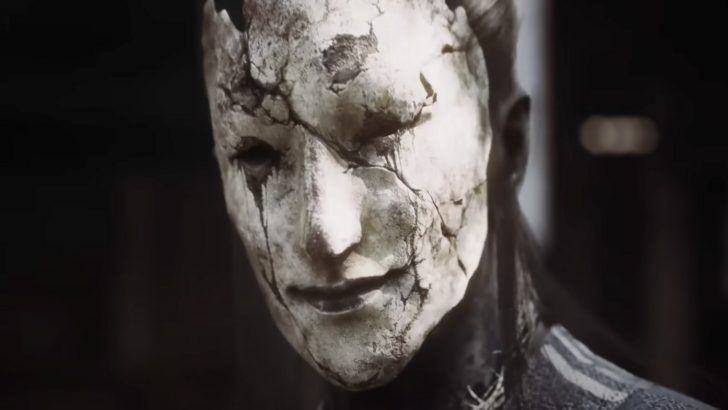
While fans may still dream of a return to Tatooine or a Kyber-Crystal-tinged mystery on Coruscant, Johnson’s current focus on original storytelling through Wake Up Dead Man (set for December release) proves he’s not abandoning narrative ambition—he’s simply choosing new frontiers.
And perhaps that’s the most Star Wars thing of all: the story isn’t over. It’s just waiting for a new chapter—written not by a galaxy far, far away, but by a storyteller who’s found his own galaxy to explore.