
>  ゲーム >  カジュアル >  Reaction Time Training
Reaction Time Training

Reaction Time Training

カテゴリー : カジュアルバージョン: 1.0

サイズ:27.3 MBOS : Android 5.1+

開発者:Games AToZ

3.8
ダウンロード
アプリケーションの説明

もちろん!以下は、元の構造と意味を維持しながら、流fluent英語で書かれたコンテンツの改良されたSEO最適化バージョンです。 [ttpp][yyxx]などのすべてのプレースホルダータグは、要求に従って保持されています。


今日のペースの速い世界では、スピードと迅速な意思決定が個人的および職業上の成功の両方で重要な役割を果たしています。反射性を研ぎ澄まし、反応時間を改善したい場合は、[TTPP]反応時間トレーニングはあなたにとって完璧な解決策です。この魅力的なゲームは、脳に挑戦し、焦点を強化し、視覚的な手がかりに迅速に対応する能力を高めるように設計されています。

事故を避けたり、スポーツに優れているのか、単に精神的に鋭いままであるかどうかにかかわらず、良い反応時間を持つことが不可欠です。 [YYXX]反応時間トレーニングゲームは、心を警戒し、関与させるインタラクティブなゲームプレイを通じてこの重要なスキルを開発するための楽しく効果的な方法を提供します。

ゲームはどのように機能しますか?

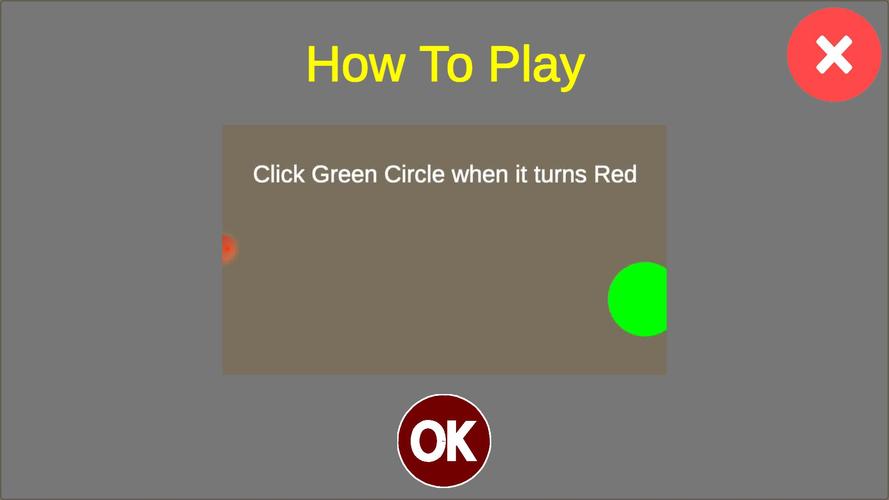
ゲームのコアメカニックは、画面上の動く円を中心に展開します。円は緑として始まり、右から左に移動します。色が赤に変わるとすぐに、できるだけ早くクリックする必要があります。応答が速いほど、スコアが良くなります。ただし、緑色の円をクリックするとゲームが終了します。タイミングとフォーカスが重要です。

このシンプルでありながら強力な概念は、脳を訓練して、圧力下でより効率的に反応するのに役立ちます。スピードだけではありません。また、正確さと、2秒間の決定中に精神的な明快さを維持することについてもあります。

なぜ反応時間トレーニングをするのですか?

このゲームでの定期的なトレーニングは、認知機能と反射を大幅に改善できます。多くの現実の状況では迅速な反応が不可欠であり、それらを改善することで、より短い時間でより賢い選択をするのに役立ちます。高齢者の場合、このようなゲームを通じて脳を活性に保つことは、年齢に関連する認知機能低下の遅延または防止に特に有益です。

このゲームは、反射を強化するための優れたツールであるだけでなく、長期的な精神的健康と俊敏性をサポートする脳訓練のエクササイズとしても機能します。

ゲーム機能

  • 3つの難易度:簡単、中程度、ハード
  • 没入型の効果音できれいなデザイン
  • さまざまな種類の円の動きパターン
  • オフラインゲームプレイ - インターネットは必要ありません
  • シンプルで直感的なユーザーインターフェイス

難易度レベルが説明されました

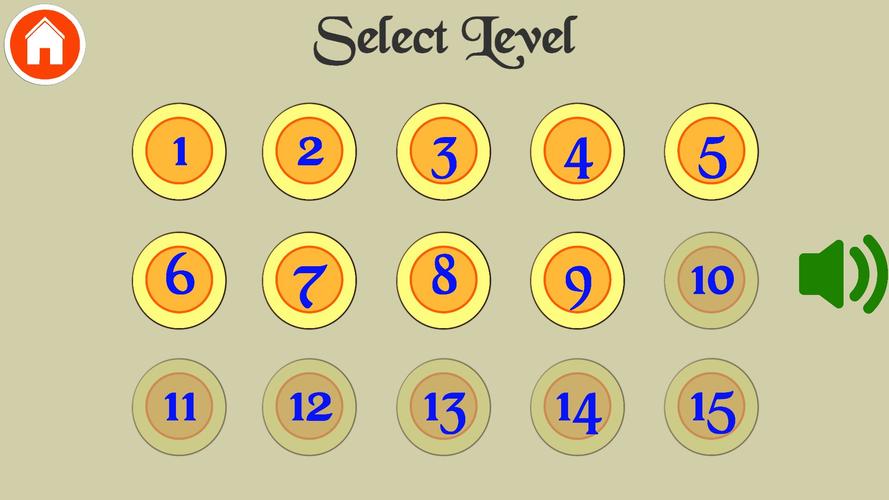
ゲームは簡単なレベルから始まり、サークルが画面上をゆっくりと移動します。これにより、プレイヤーはより挑戦的な段階に進む前に、メカニックに慣れることができます。 3つの赤い円がゲームを終了するため、このレベルでも集中力が重要です。

あなたが前進するにつれて、サークルは予測不可能に動き始め、あなたの注意と反射に対する需要を高めます。タイマーは、各赤い信号にどれだけ速く応答したかを示し、時間の経過とともに改善を追跡するのに役立ちます。

シャープにとどまり、自分自身に挑戦してください

[TTPP]反応時間トレーニングは単なるゲーム以上のものであり、脳の毎日のトレーニングです。一貫してプレイすることで、警戒心、より迅速な思考、より良い手と目の調整に気付くでしょう。あなたが学生、アスリートであろうと、あなたの心を活動させようとしている人であろうと、このゲームは現実の利益をもたらします。

いつでもどこでも、この無料のオフラインに優しいゲームをダウンロードしてお楽しみください。自分のレコードを打ち負かすように自分自身に挑戦し、あなたがどれほど速く反応できるかを確認してください!

経験を共有します

ゲームを楽しんでいるなら、それを友人や家族と共有することをheしないでください。フィードバックは貴重です。すべてのユーザーに高品質のエクスペリエンスを提供し続けることができるように、レビューを残してください。

バージョン1.0の新しいもの

2024年8月7日に最後に更新されました - パフォーマンスと互換性の向上のためにSDKを更新しました。
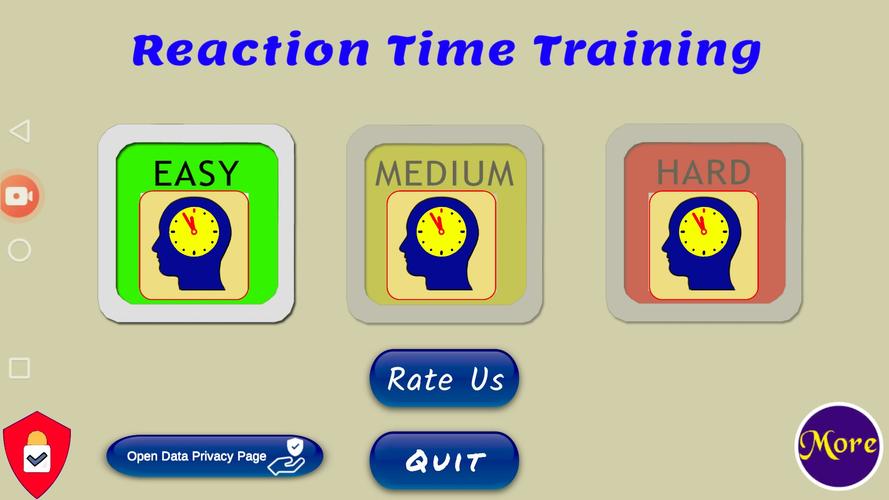
Reaction Time Training スクリーンショット 0
Reaction Time Training スクリーンショット 1
Reaction Time Training スクリーンショット 2
Reaction Time Training スクリーンショット 3
最新ニュース
Cross-platform play features refer to theCriticalSection in video games that allow players on different gaming platforms (such as PlayStation, Xbox, PC, and mobile) to play together in the same game session. This interoperability has become increasingly popular in modern gaming due to player demand for broader social experiences and larger player pools.
Key aspects of cross-platform play features include:


Unified Player Bases: By enabling players from different platforms to join the same servers, games can maintain more active communities, reducing lag and long wait times.


Improved Accessibility: Players are not limited to playing only with others on the same console or operating system, making it easier to connect with friends across different devices.


Consistent Game Experience: Developers must ensure gameplay mechanics, controls, and performance are balanced across platforms. For example, a player on a mobile device using touch controls should not have a significant advantage over a PC user with a keyboard and mouse.


Control and Input Adaptation: Games often implement different control schemes (e.g., touch, controller, mouse and keyboard) to accommodate platform-specific input methods while maintaining fairness.


Cloud Saves and Progress Synchronization: Many cross-platform games use cloud-based services to store player progress, ensuring that achievements and game data sync across all devices.


Challenges and Limitations:

Technical Hurdles: Differences in hardware performance and network infrastructure can complicate development.
Business and Licensing Issues: Platform holders like Sony, Microsoft, and Apple have historically been cautious about cross-play due to concerns over revenue, exclusivity, and control over their ecosystems.
Security and Anti-Cheat: Ensuring fair play across platforms requires robust anti-cheat systems and consistent enforcement.


Notable examples of successful cross-platform play include:

Fortnite – Fully cross-platform across PC, PlayStation, Xbox, Nintendo Switch, iOS, and Android.
Minecraft – Supports cross-play between almost all major platforms.
Apex Legends – Allows players on PC, PlayStation, Xbox, and mobile (via cloud gaming) to play together.
Call of Duty: Mobile and Call of Duty: Warzone – Offer cross-play across platforms.

Overall, cross-platform play features are increasingly seen as a standard in modern gaming, driven by player expectations for inclusivity and seamless multiplayer experiences. As technology advances and platform companies become more open, cross-platform gaming is likely to become even more widespread.

Cross-platform play features refer to theCriticalSection in video games that allow players on different gaming platforms (such as PlayStation, Xbox, PC, and mobile) to play together in the same game session. This interoperability has become increasingly popular in modern gaming due to player demand for broader social experiences and larger player pools. Key aspects of cross-platform play features include: Unified Player Bases: By enabling players from different platforms to join the same servers, games can maintain more active communities, reducing lag and long wait times. Improved Accessibility: Players are not limited to playing only with others on the same console or operating system, making it easier to connect with friends across different devices. Consistent Game Experience: Developers must ensure gameplay mechanics, controls, and performance are balanced across platforms. For example, a player on a mobile device using touch controls should not have a significant advantage over a PC user with a keyboard and mouse. Control and Input Adaptation: Games often implement different control schemes (e.g., touch, controller, mouse and keyboard) to accommodate platform-specific input methods while maintaining fairness. Cloud Saves and Progress Synchronization: Many cross-platform games use cloud-based services to store player progress, ensuring that achievements and game data sync across all devices. Challenges and Limitations: Technical Hurdles: Differences in hardware performance and network infrastructure can complicate development. Business and Licensing Issues: Platform holders like Sony, Microsoft, and Apple have historically been cautious about cross-play due to concerns over revenue, exclusivity, and control over their ecosystems. Security and Anti-Cheat: Ensuring fair play across platforms requires robust anti-cheat systems and consistent enforcement. Notable examples of successful cross-platform play include: Fortnite – Fully cross-platform across PC, PlayStation, Xbox, Nintendo Switch, iOS, and Android. Minecraft – Supports cross-play between almost all major platforms. Apex Legends – Allows players on PC, PlayStation, Xbox, and mobile (via cloud gaming) to play together. Call of Duty: Mobile and Call of Duty: Warzone – Offer cross-play across platforms. Overall, cross-platform play features are increasingly seen as a standard in modern gaming, driven by player expectations for inclusivity and seamless multiplayer experiences. As technology advances and platform companies become more open, cross-platform gaming is likely to become even more widespread.