
>  アプリ >  自動車と乗り物 >  VW Radio Code Generator
VW Radio Code Generator

VW Radio Code Generator

カテゴリー : 自動車と乗り物バージョン: 1.0.0

サイズ:16.8 MBOS : Android 5.0+

開発者:Car Radio Codes

4.2
ダウンロード
アプリケーションの説明

フォルクスワーゲンラジオコードをすぐに取得します。

VWラジオコードジェネレーター:フォルクスワーゲンステレオのロックを解除します

フォルクスワーゲンラジオコードを失いましたか?ロックされたステレオをドライブに沈黙させないでください。当社のVWラジオコードジェネレーターアプリは、2015年以前に製造されたフォルクスワーゲンラジオモデルのロックを迅速に解除します。これには、Blaupunkt、ガンマ、ベータ、アルファ、その他のVWステレオシステムが含まれます。

アプリ機能:

  • ユニバーサル互換性: 2015年以前のすべてのVWラジオモデルで動作します。
  • 幅広いサポート: Blaupunkt、ガンマ、ベータ、アルファなどをサポートします。
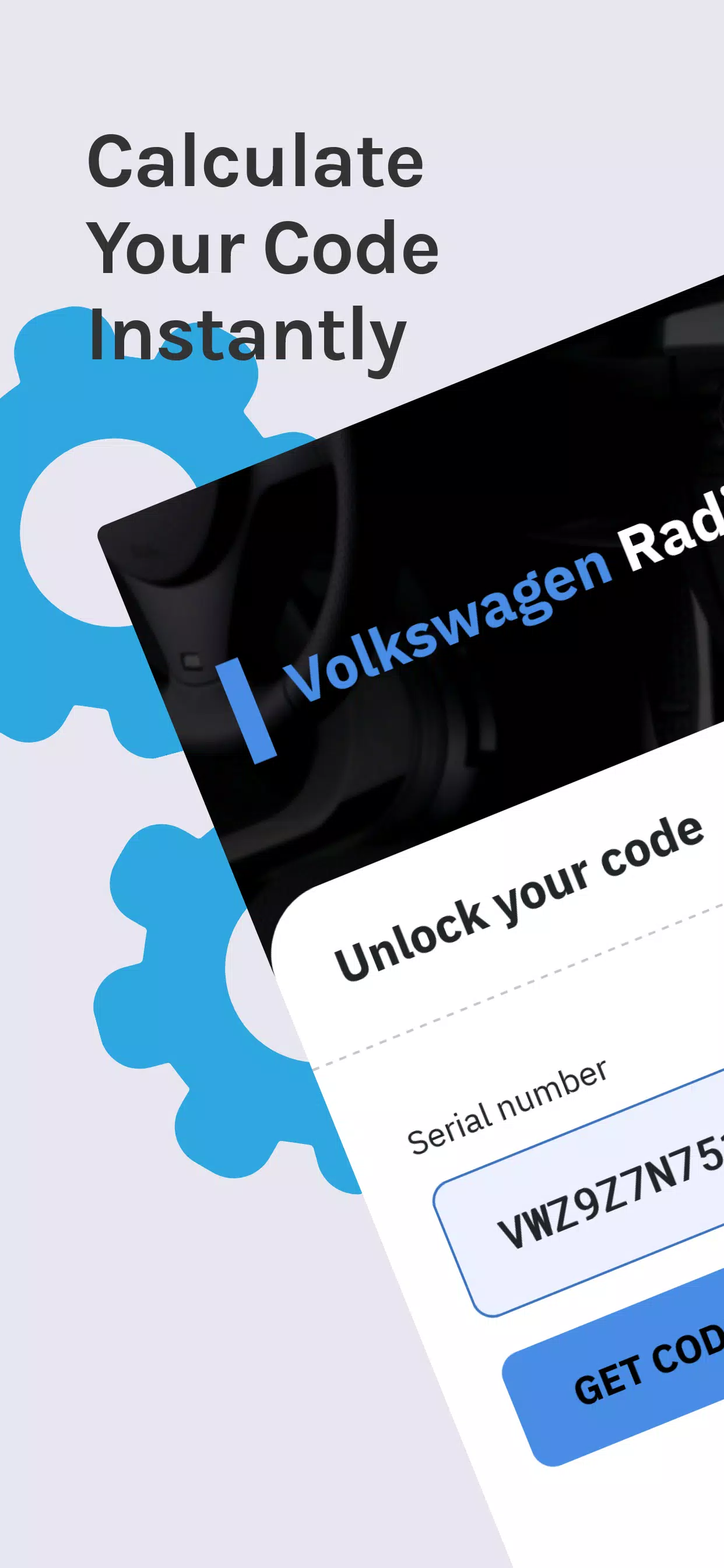
  • 高速で簡単:インスタントコード生成のためにラジオのシリアル番号を入力します。
  • 100%の精度が保証されています:サポートされているすべてのモデルの作業コードを確保します。
  • ユーザーフレンドリーインターフェイス:シンプルで直感的なコード計算機。
  • インスタント結果:コードを数秒で取得します。
  • 数千人に信頼:満足しているVW所有者に参加してください。

それがどのように機能するか:

  1. VWラジオのシリアル番号を入力します。
  2. アルゴリズムは、一意のロック解除コードを計算します。
  3. 生成されたコードをラジオに入力します。
  4. あなたの音楽をお楽しみください!

なぜ私たちのアプリを選ぶのですか?

  • 時間とお金を節約する:高価なディーラーの訪問を避けてください。
  • オフライン機能:いつでもどこでもコードを生成します(最初のダウンロードにのみインターネットアクセスが必要です)。
  • 定期的な更新:データベースは絶えず拡大します。
  • 献身的なサポート:私たちのチームはここにいます。

互換性のあるVWモデル:

ゴルフ、パサット、ポロ、ジェッタ、トゥーラン、ティグアン、トゥアレグ、カブトム、キャディ、トランスポーターなど!このアプリは、工場でインストールされたラジオを備えた2015年以前のほとんどのヨーロッパVWをサポートしています。

ロックされたラジオがあなたのドライブを台無しにさせないでください。車のバッテリーを交換したり、ラジオを切断したり、単にコードを忘れたりするかどうかにかかわらず、VWラジオコードジェネレーターはソリューションです。当社の100%の精度保証と専用サポートは、信頼できる結果を保証します。

今日、VWのオーディオシステムのロックを解除してください!今すぐVWラジオコードジェネレーターをダウンロードして、数分であなたの音楽をもう一度楽しんでください!

リーガルノート:このアプリは、VW所有者が元のラジオコードを回復するための正当な使用を目的としています。あなたが所有しているラジオのロックを解除する権利を持っていることを確認してください。
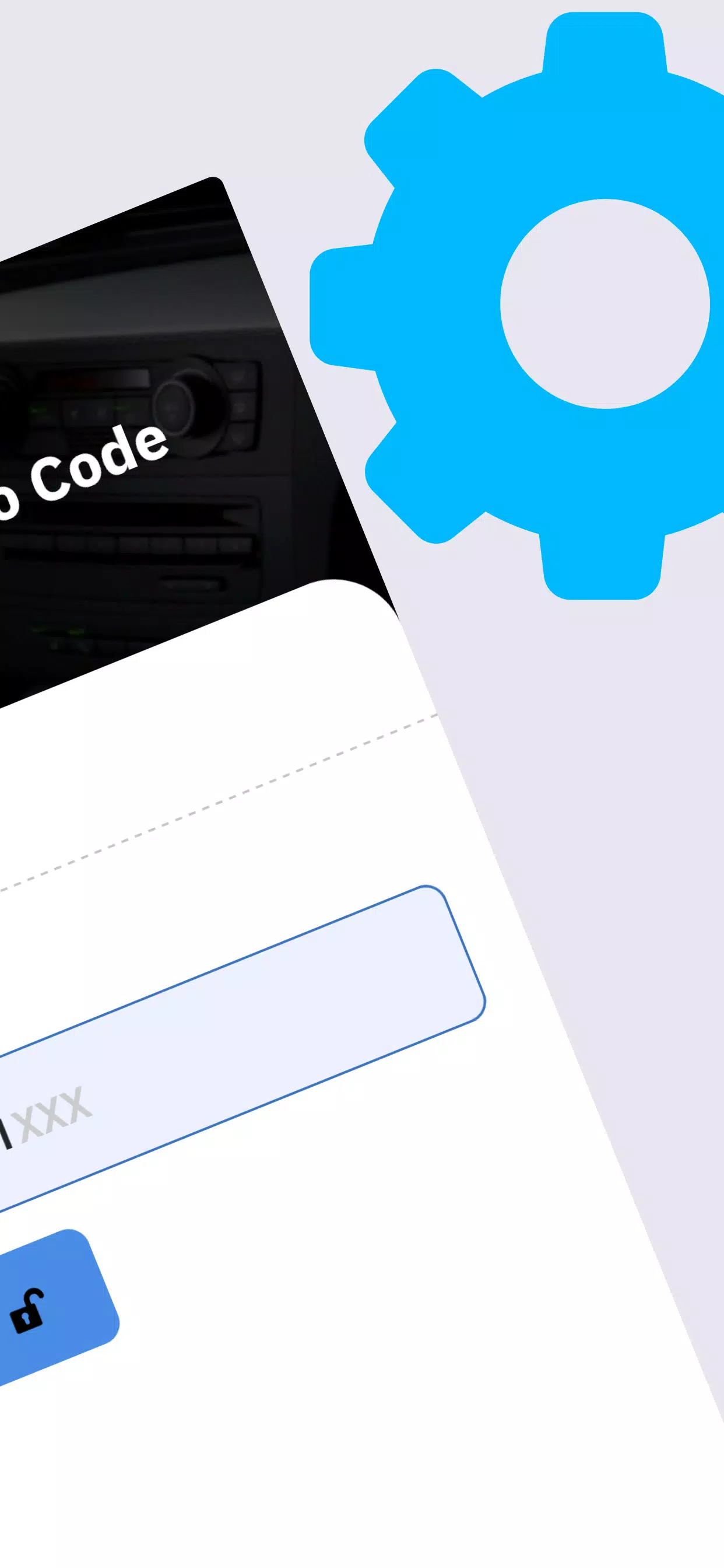
VW Radio Code Generator スクリーンショット 0
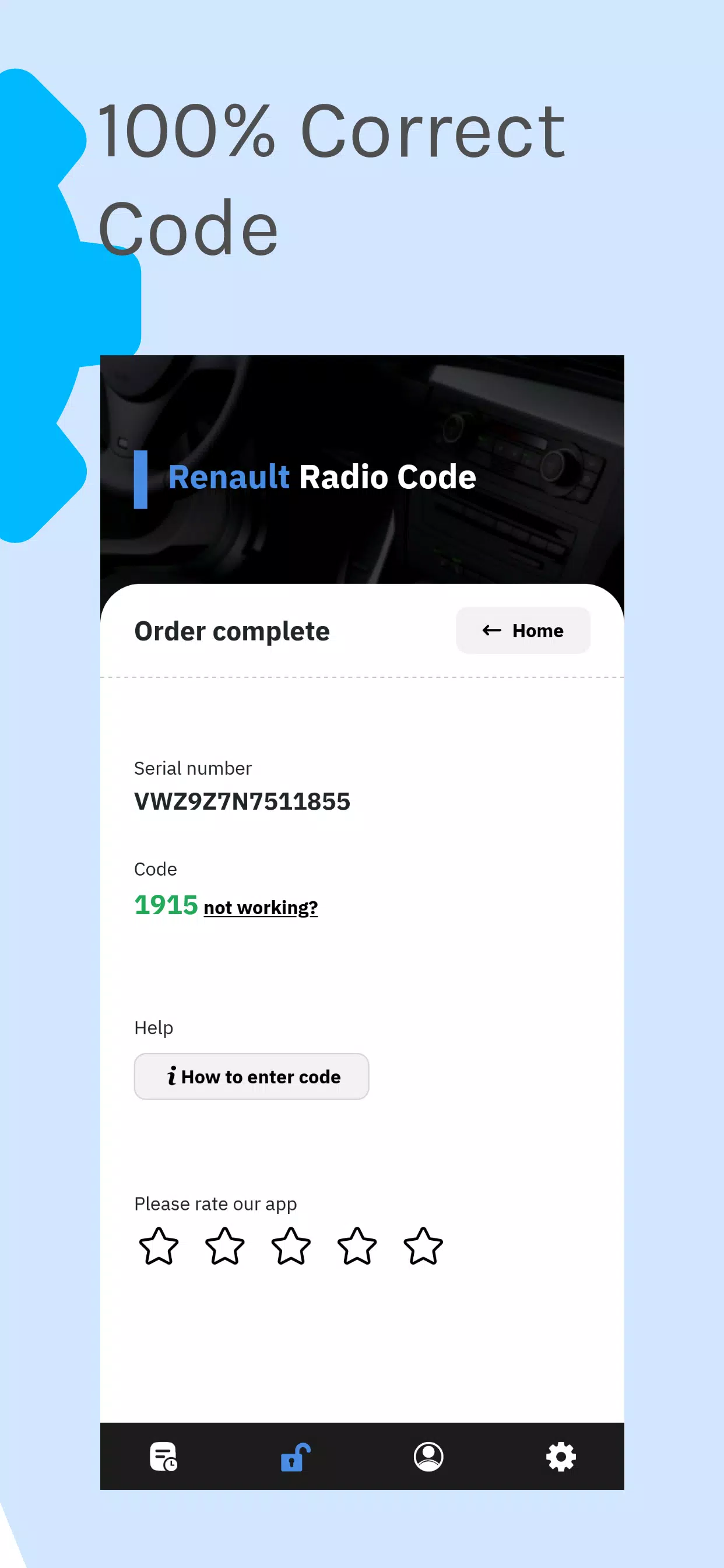
VW Radio Code Generator スクリーンショット 1
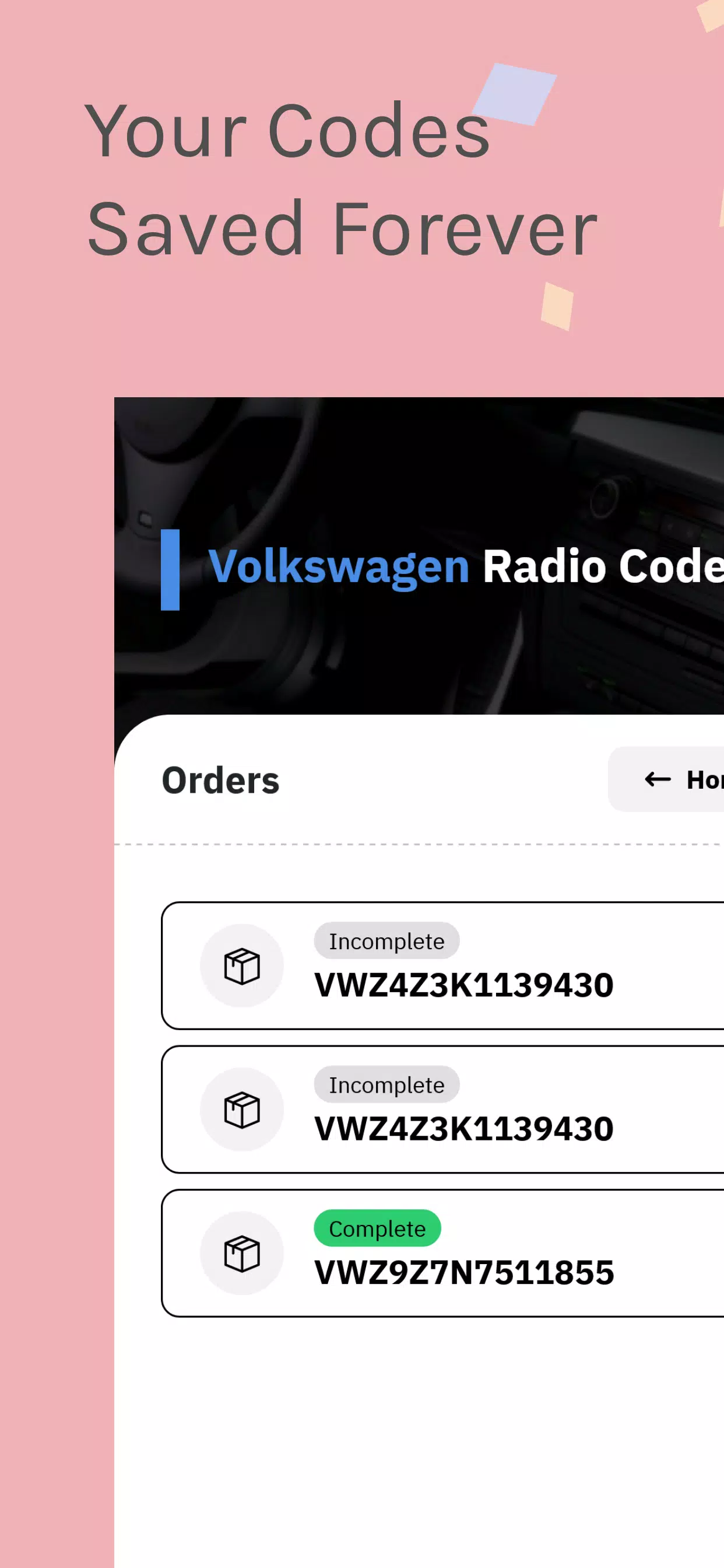
VW Radio Code Generator スクリーンショット 2
VW Radio Code Generator スクリーンショット 3
最新ニュース
Cross-platform play features refer to theCriticalSection in video games that allow players on different gaming platforms (such as PlayStation, Xbox, PC, and mobile) to play together in the same game session. This interoperability has become increasingly popular in modern gaming due to player demand for broader social experiences and larger player pools.
Key aspects of cross-platform play features include:


Unified Player Bases: By enabling players from different platforms to join the same servers, games can maintain more active communities, reducing lag and long wait times.


Improved Accessibility: Players are not limited to playing only with others on the same console or operating system, making it easier to connect with friends across different devices.


Consistent Game Experience: Developers must ensure gameplay mechanics, controls, and performance are balanced across platforms. For example, a player on a mobile device using touch controls should not have a significant advantage over a PC user with a keyboard and mouse.


Control and Input Adaptation: Games often implement different control schemes (e.g., touch, controller, mouse and keyboard) to accommodate platform-specific input methods while maintaining fairness.


Cloud Saves and Progress Synchronization: Many cross-platform games use cloud-based services to store player progress, ensuring that achievements and game data sync across all devices.


Challenges and Limitations:

Technical Hurdles: Differences in hardware performance and network infrastructure can complicate development.
Business and Licensing Issues: Platform holders like Sony, Microsoft, and Apple have historically been cautious about cross-play due to concerns over revenue, exclusivity, and control over their ecosystems.
Security and Anti-Cheat: Ensuring fair play across platforms requires robust anti-cheat systems and consistent enforcement.


Notable examples of successful cross-platform play include:

Fortnite – Fully cross-platform across PC, PlayStation, Xbox, Nintendo Switch, iOS, and Android.
Minecraft – Supports cross-play between almost all major platforms.
Apex Legends – Allows players on PC, PlayStation, Xbox, and mobile (via cloud gaming) to play together.
Call of Duty: Mobile and Call of Duty: Warzone – Offer cross-play across platforms.

Overall, cross-platform play features are increasingly seen as a standard in modern gaming, driven by player expectations for inclusivity and seamless multiplayer experiences. As technology advances and platform companies become more open, cross-platform gaming is likely to become even more widespread.

Cross-platform play features refer to theCriticalSection in video games that allow players on different gaming platforms (such as PlayStation, Xbox, PC, and mobile) to play together in the same game session. This interoperability has become increasingly popular in modern gaming due to player demand for broader social experiences and larger player pools. Key aspects of cross-platform play features include: Unified Player Bases: By enabling players from different platforms to join the same servers, games can maintain more active communities, reducing lag and long wait times. Improved Accessibility: Players are not limited to playing only with others on the same console or operating system, making it easier to connect with friends across different devices. Consistent Game Experience: Developers must ensure gameplay mechanics, controls, and performance are balanced across platforms. For example, a player on a mobile device using touch controls should not have a significant advantage over a PC user with a keyboard and mouse. Control and Input Adaptation: Games often implement different control schemes (e.g., touch, controller, mouse and keyboard) to accommodate platform-specific input methods while maintaining fairness. Cloud Saves and Progress Synchronization: Many cross-platform games use cloud-based services to store player progress, ensuring that achievements and game data sync across all devices. Challenges and Limitations: Technical Hurdles: Differences in hardware performance and network infrastructure can complicate development. Business and Licensing Issues: Platform holders like Sony, Microsoft, and Apple have historically been cautious about cross-play due to concerns over revenue, exclusivity, and control over their ecosystems. Security and Anti-Cheat: Ensuring fair play across platforms requires robust anti-cheat systems and consistent enforcement. Notable examples of successful cross-platform play include: Fortnite – Fully cross-platform across PC, PlayStation, Xbox, Nintendo Switch, iOS, and Android. Minecraft – Supports cross-play between almost all major platforms. Apex Legends – Allows players on PC, PlayStation, Xbox, and mobile (via cloud gaming) to play together. Call of Duty: Mobile and Call of Duty: Warzone – Offer cross-play across platforms. Overall, cross-platform play features are increasingly seen as a standard in modern gaming, driven by player expectations for inclusivity and seamless multiplayer experiences. As technology advances and platform companies become more open, cross-platform gaming is likely to become even more widespread.