
Поклонники Astro Bot, вероятно, услышали историю за губкой, но знаете ли вы, что команда Asobi также экспериментировала с даже более причудливыми идеями, такими как кофейная шлифовальная шлифовка и рулетка? Этот захватывающий лакомство выявилось во время посещаемости IGN на GDC 2025, где директор студии команды Asobi Николас Дусет выступил с очаровательной презентацией под названием «Создание« Astro Bot »». В своем выступлении Дусет углубился в процесс создания платформера талисма PlayStation, обнародовав серию ранних прототипов и вырезал контент, который дал инсайдеру возможность развития игры.
Дусет начал свою презентацию, пересмотрев первоначальный шаг для Astro Bot, который был создан в мае 2021 года, вскоре после того, как команда Asobi начала прототипирование. Он рассказал, что подача претерпела 23 -х пересмотчиков, прежде чем был представлен старшему руководству. Поля была творчески представлена как восхитительный комикс, подчеркивая основные колонны и занятия игры, и, очевидно, он поразил аккорд.
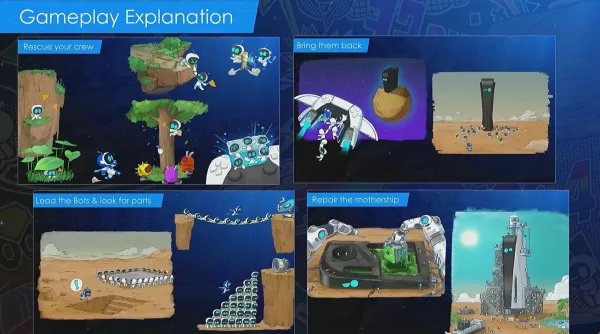 Слайд от разговора о GDC Николаса Дуче, создание «Astro Bot», демонстрирующее поле игры в стиле комиксов. Команда Asobi организовала небольшие междисциплинарные группы из 5-6 человек в мозговой штурм, каждый из которых вносил идеи с помощью липких заметок. Это привело к впечатляющему мозговому штурму:
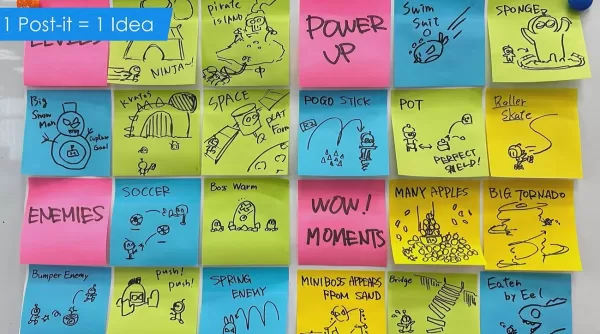 Другой слайд из разговора, демонстрирующий липкий сеанс мозгового штурма команды Asobi. Не все идеи прогрессировали на стадию прототипирования, отметил Дусет. Фактически, только около 10% раздутых концепций были прототипированы. Тем не менее, это все еще привело к значительному количеству прототипов. Дусет подчеркнул важность прототипирования во всех отделах, а не только игрового дизайна. Он проиллюстрировал это примером от аудио -команды, которая создала театр в Astro Bot, чтобы экспериментировать с тактичными вибрациями контроллера, синхронизированными с различными звуковыми эффектами, такими как различные звуки открытия двери и закрытия.
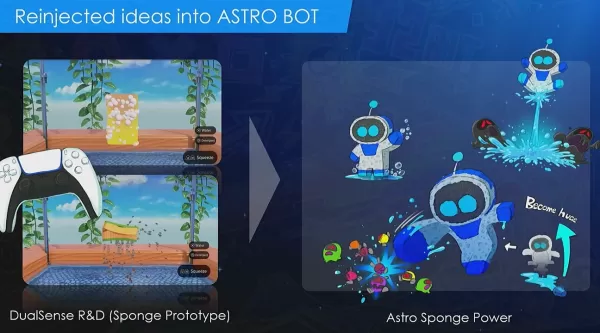 Еще один слайд из разговора с прототипом губки наряду с концептуальным искусством Astro Bot, превращающегося в губку. Значение прототипирования было дополнительно подчеркнуто Doucet, который упомянул, что некоторые программисты команды были посвящены прототипированию неплатформирующих элементов. Этот подход привел к созданию механики губки Astro Bot, которая использовала адаптивный триггер для веселого эффекта сжимания и в конечном итоге попал в игру.
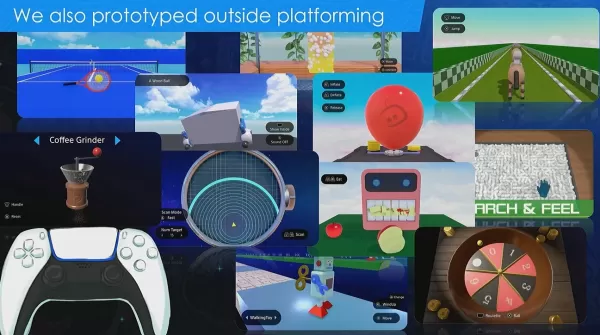 Еще один слайд, показывающий различные прототипы, разработанный для Astro Bot.Doucet, представил изображение, демонстрирующее несколько прототипов, которые не сделали окончательный вариант, такие как теннисная игра, игрушка для ходьбы, рулетка и кофейная шлифовальная машина, а также успешная механика, такая как баллон и губка.
В последней части своего выступления Дусет обсудил, как были выбраны уровни и разработаны для дополнения конкретной механики. Цель состояла в том, чтобы каждый уровень предлагал уникальный игровой процесс, избегая повторения. В то время как одно и то же увеличение мощности может появиться на нескольких уровнях, его реализация необходима для значительного различия для поддержания свежести. Doucet поделился примерами порезанного уровня, тематического вокруг полетов птиц, которые были отброшены за то, что он слишком похож на существующие уровни, использующие обезьяну Astro Bot.
«В конце концов, было решено, что перекрытие не было достаточно здоровым, чтобы создать разнообразие, и мы просто полностью сократили этот уровень», - объяснил он. «Мы никогда не узнаем, был бы этот уровень популярным. Но задним числом я думаю, что это хорошо, что мы должны провести это время в другом месте».
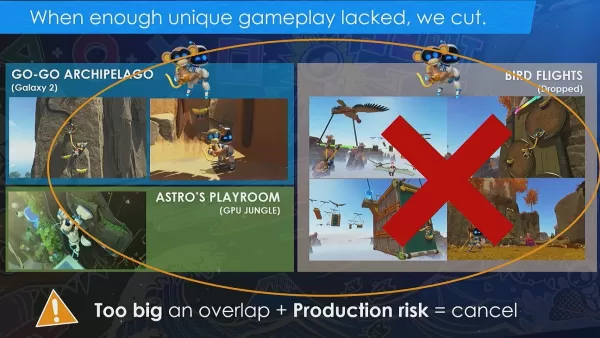 Еще один слайд, отображающий уровень среза от бота Astro вместе с двумя другими внедренными уровнями . В первоначальном финале игрокам было поручено собрать полностью расчлененный бот Astro, концепцию, которую некоторые нашли слишком тревожным. В финальной версии, которую мы видим в игре, представляет немного более интактный бот Astro, обращаясь к обратной связи игроков.
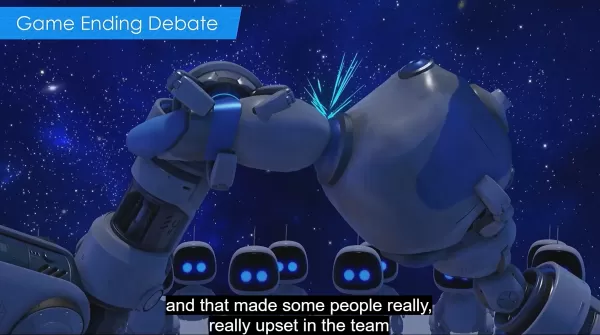 Клип из презентации Доусета, показывающий оригинальное окончание разговоров Astro Bot.doucet, предложил множество интригующих пониманий развития Astro Bot, игры, которую IGN награждала 9/10, восхваляя его как «фантастически изобретательный платформер сам по себе, Astro Bot, особенно особенный для всех, у кого есть« Сердце для PlayStation ».