
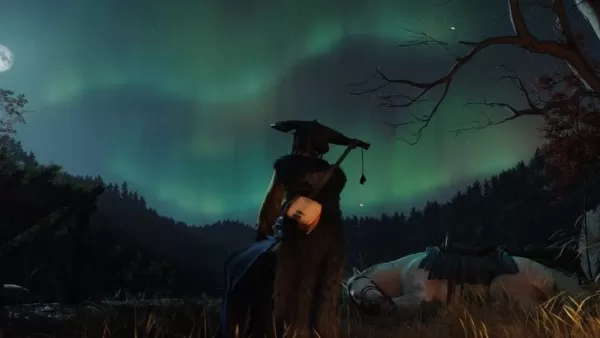
The developers behind Ghost of Yōtei, Sucker Punch, have explained why Hokkaido was selected as the primary setting. Discover how they recreated Hokkaido in the game and learn about their experiences from visiting Japan.
Why Ghost of Yōtei Is Set in Hokkaido
Authenticity in a Fictional World Based on Real Locations
Ghost of Yōtei continues the tradition of bringing real Japanese locations into the game, with its central setting in Ezo, modern-day Hokkaido. In a PlayStation Blog post on May 15, Sucker Punch Game Director Nate Fox explained why the team chose Hokkaido as the backdrop for protagonist Atsu’s journey.
Recreating authentic places is familiar territory for Sucker Punch, having brought Tsushima Island to life in the first Ghost game. The studio has a strong history in this area, receiving praise from Japanese critics for their work. In recognition of their cultural storytelling, Fox and Creative Director Jason Connell even became ambassadors for the real Tsushima island.

In 2021, Tsushima Mayor Naoki Hitakatsu issued a statement honoring the directors. "Many Japanese people are unfamiliar with the Genkō period, and globally, Tsushima remains largely unknown. I am deeply grateful that they shared our story through stunning visuals and rich narratives," Hitakatsu said.
The team’s goal for both Ghost of Tsushima and the sequel was to create a respectful and believable world for their fictional stories. They aimed to deliver a genuine sense of place.
Hokkaido was chosen for Ghost of Yōtei because it is both incredibly beautiful and, in 1603, represented the frontier of the Japanese empire. Fox explained that Hokkaido’s dramatic landscape makes it the ideal location for Atsu’s vengeful tale, shaping how others perceive her actions. "If you're telling a ghost story, set it somewhere unforgettable," he added.
Beauty and Danger Combined
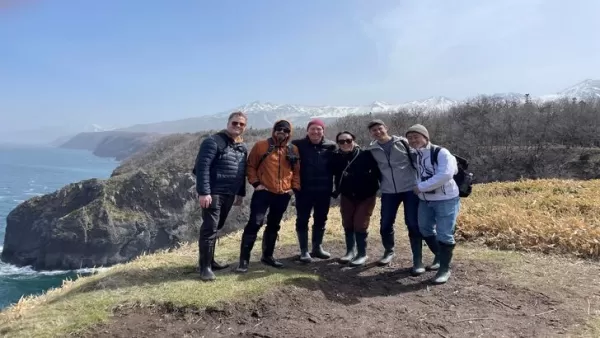
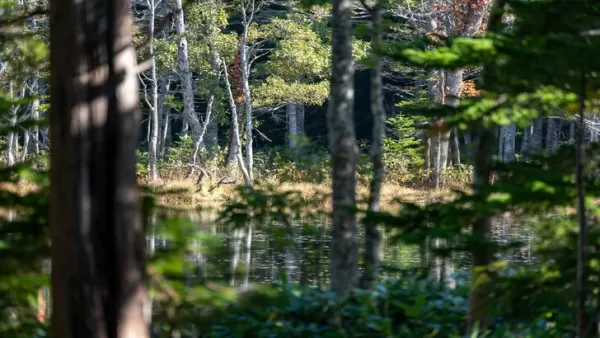
Fox shared that the team visited Japan twice to deeply research the setting and culture—an experience he described as a career highlight. One key destination was Shiretoko National Park, where raw natural beauty coexists with an underlying sense of danger.
The park’s serene landscapes are tempered by the presence of wildlife, creating a unique blend of tranquility and challenge. "That perfect mix of beauty and peril was exactly the atmosphere we wanted in our game. Visiting Shiretoko confirmed Hokkaido was the right choice," Fox noted.
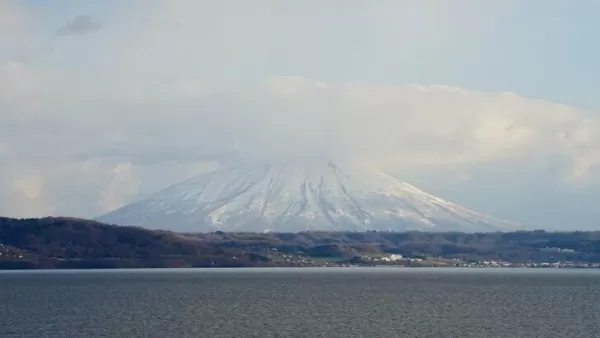
The team also visited Mount Yōtei, known as "Machineshir" or "the Female Mountain" by the Ainu people. The Ainu, Hokkaido’s Indigenous inhabitants, hold the mountain as sacred, deeply connected to the natural world. To the developers, the mountain symbolizes both Hokkaido’s spirit and the family Atsu lost.
Fox found the entire journey inspiring—engaging with local communities and brainstorming new ideas brought depth to the project. Their travels helped the team "capture the island’s spirit in our fictional interpretation." As non-Japanese developers, they acknowledge their cultural limitations and are committed to addressing this thoughtfully. More details on their approach will follow.
Ghost of Yōtei is set to be the studio’s most ambitious project yet, and anticipation is high. The game launches October 2, 2025, exclusively on PlayStation 5. For the latest updates, explore our related article below.